



The name Drimachus stands out as a symbol of defiance and slave revolt in the annals of ancient Greek history. He was a runaway slave who led a rebellion on the island of Chios during the Hellenistic period. He carved out a name for himself in an era when the enslaved had few means of resistance. We read his story in fragmentary ancient texts, which depict him as both an outlaw and a pragmatic leader who established a form of order among the rebellious slaves.
The rise of Drimachus
Drimachus emerged during a time when Chios, one of the prominent Greek islands in the Aegean Sea, was famous for its wealth and extensive use of slave labor. Chios was among the first cities to rely heavily on enslaved people to sustain its economy, particularly in agriculture and trade. The conditions under which these slaves lived often led to unrest, and in some cases, outright rebellion.
According to the ancient Greek grammarian Athenaeus, quoting from the Greek historian Theopompus, Drimachus not only escaped slavery but also managed to rally other runaway slaves around him. He formed a powerful band of rebels who took refuge in the mountainous regions of the island:
“Drimachus, a most valiant man, gathered together runaway slaves and set himself up as a leader among them, becoming a terror to the citizens of Chios.”
The code of Drimachus
His leadership was marked by both violence and a sense of order. Unlike mere bandits, Drimachus and his men did not engage in random acts of plunder. They rather imposed their own system of control. He demanded tribute from the wealthy citizens of Chios, in exchange for protection from further raids. He created a form of uneasy coexistence between the free citizens and the rebel slaves.
One of the most intriguing aspects of Drimachus’ leadership was his discipline and his sense of justice, as reported by Athenaeus:
“He did not allow his men to plunder indiscriminately, nor to bring destruction upon those who paid their due. He punished those who stole excessively or acted cruelly towards the innocent.”
This suggests that Drimachus was not merely a bandit but a leader with a clear vision. He was perhaps an early example of a rebel leader imposing a structured rule over his followers. His control over his men made him even more feared by the Chians, who saw him not just as a rogue but as a force capable of maintaining his own form of governance.
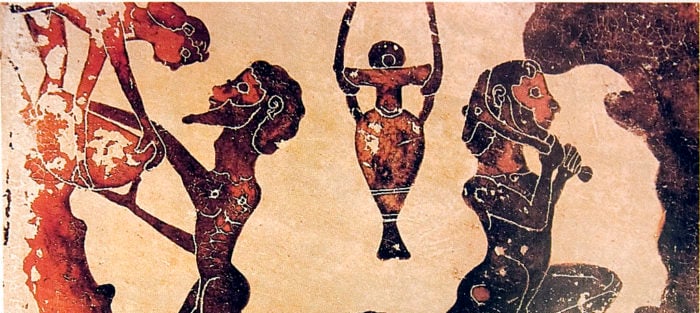
The response of Chios and the betrayal of Drimachus
The existence of Drimachus posed a serious challenge to the ruling elite of Chios. Unable to defeat him in open battle, the Chians resorted to treachery. They offered amnesty and rewards to any of his followers who would betray him. According to the accounts, one of his own men eventually turned against him, leading to his downfall.
Athenaeus recounts:
“The city of Chios, unable to defeat him by force, promised great rewards to any who could bring his head. Thus Drimachus died, betrayed by one of his own, for gold.”
The betrayal and death of Drimachus marked the end of the rebellion, but his legacy endured. His name became a byword for resistance. His leadership demonstrated that even in slavery, those who resisted could establish order on their own terms.
The legacy of Drimachus
Drimachus’ story is significant because it highlights the fragility of slave-based economies in the ancient world. The rebellion of Drimachus was not an isolated incident, similar uprisings occurred throughout Greek and Roman history, including the famous slave revolts led by Spartacus in Rome. However, what makes Drimachus unique is the level of organization he imposed upon his rebellion.
His actions also reveal the fears of the Greek ruling class regarding runaway slaves forming independent communities. The fact that his exploits were recorded, even if only in passing, indicates that he left a lasting impression on the historical consciousness of the ancient Greeks.
Through the fragmented writings of Theopompus and Athenaeus, we glimpse a leader who was more than just an outlaw. He was a strategist, a warrior, and a ruler in his own right. Though his name may not be as widely known as that of Spartacus, his impact on the history of resistance among the oppressed is undeniable. The echoes of his defiance continue to resonate, a testament to the enduring spirit of those who dare to challenge oppression.
See all the latest news from Greece and the world at Greekreporter.com. Contact our newsroom to report an update or send your story, photos and videos. Follow GR on Google News and subscribe here to our daily email!

