



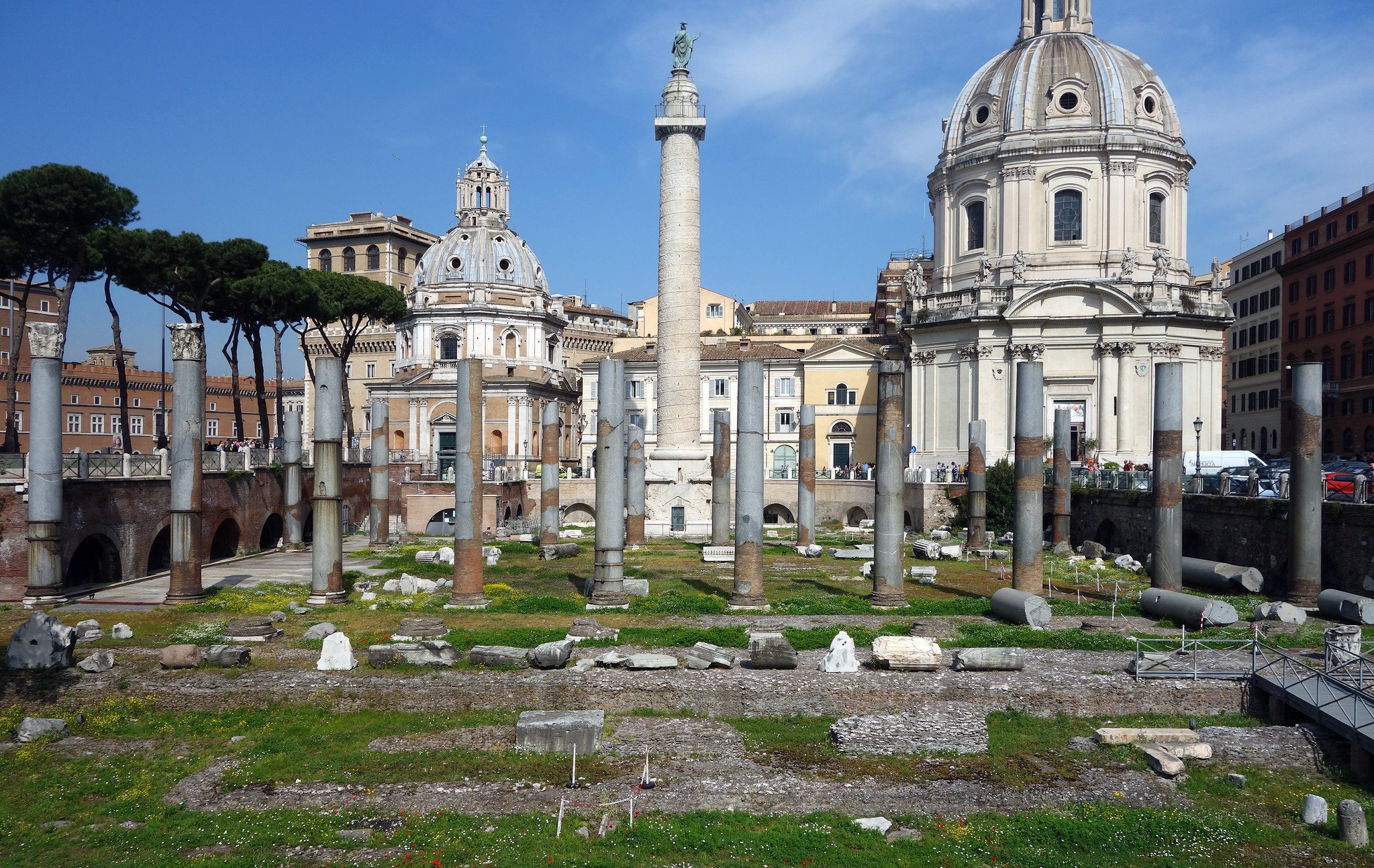
Roman merchants, not soldiers, were the true agents who transformed Europe. A new study argues that Roman culture spread across the province of Noricum through commerce and daily exchange, long before any formal conquest.
The research, published in “Balcanica Posnaniensia. Acta et studia,” focuses on two ancient settlements in Carinthia, Austria: Magdalensberg and Virunum. Zofia Kaczmarek of Adam Mickiewicz University in Poznan, Poland, led the study using archaeological findings, inscriptions, and historical records.
The process started at Magdalensberg, a hilltop settlement at the crossroads of major trade routes in central Carinthia. Rich iron ore deposits nearby made the region valuable. Demand for “Norican steel” peaked during Julius Caesar’s wars, and merchants from
Aquileia in northern Italy built a trading post at the site around the mid-first century B.C. Roman coins found there date as far back as 172 B.C., showing the economic relationship ran deep, long before Rome took formal control.
A structure found nowhere else in the Roman Empire
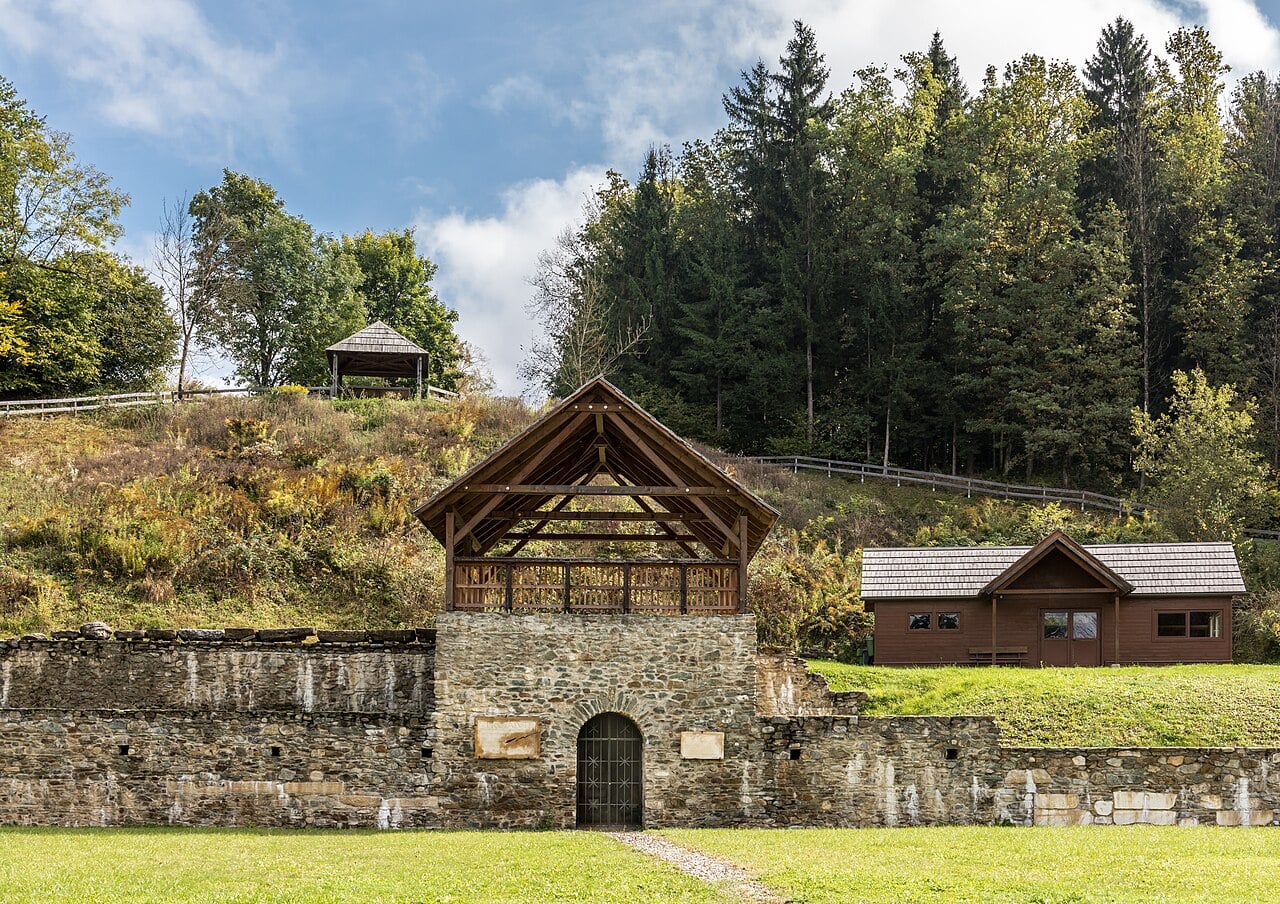
One of the study’s most notable findings concerns a building at Magdalensberg with no known equivalent anywhere in the Roman Empire. The “Repräsentationshaus,” or house of representatives, was decorated with frescoes and mosaics.
A room inside contained 13 niches, possibly matching the 13 Norican tribes listed by the ancient geographer Ptolemy. Kaczmarek argues the building served as a meeting place for local tribal leaders under Roman oversight.
The settlement grew through three phases, the last triggered by an earthquake in August 9 A.D. Under Emperor Claudius in the A.D. 40s, residents relocated to a newly founded city in the valley below: Virunum.
An unfinished temple on the old forum’s north side points to a sudden, centrally ordered departure, Kaczmarek notes.
Claudius ordered a planned city to be built in the valley
Virunum was designed as a proper Roman city covering roughly one square kilometer (0.39 square miles). It featured paved streets, public baths, a theater, and an amphitheater holding around 3,000 spectators.
Unlike most Roman provincial cities, its forum sat along the north-south street rather than the main east-west road. The “ara Noricorum,” the assembly altar of the Norican tribes, was placed entirely outside the city’s built-up area.
Inscriptions document a socially mixed population. A marble tablet lists members of a builders’ association, including both men and women, with some holding Roman citizenship and others classified as non-citizens.
A bronze tablet recording the restoration of a Mithras temple in 183-184 A.D., the largest such building inscription found in any Roman province, lists 98 names. Only four were of local Celtic origin, roughly 3.5 percent.
Romans transformed Europe’s cities, but not its private life
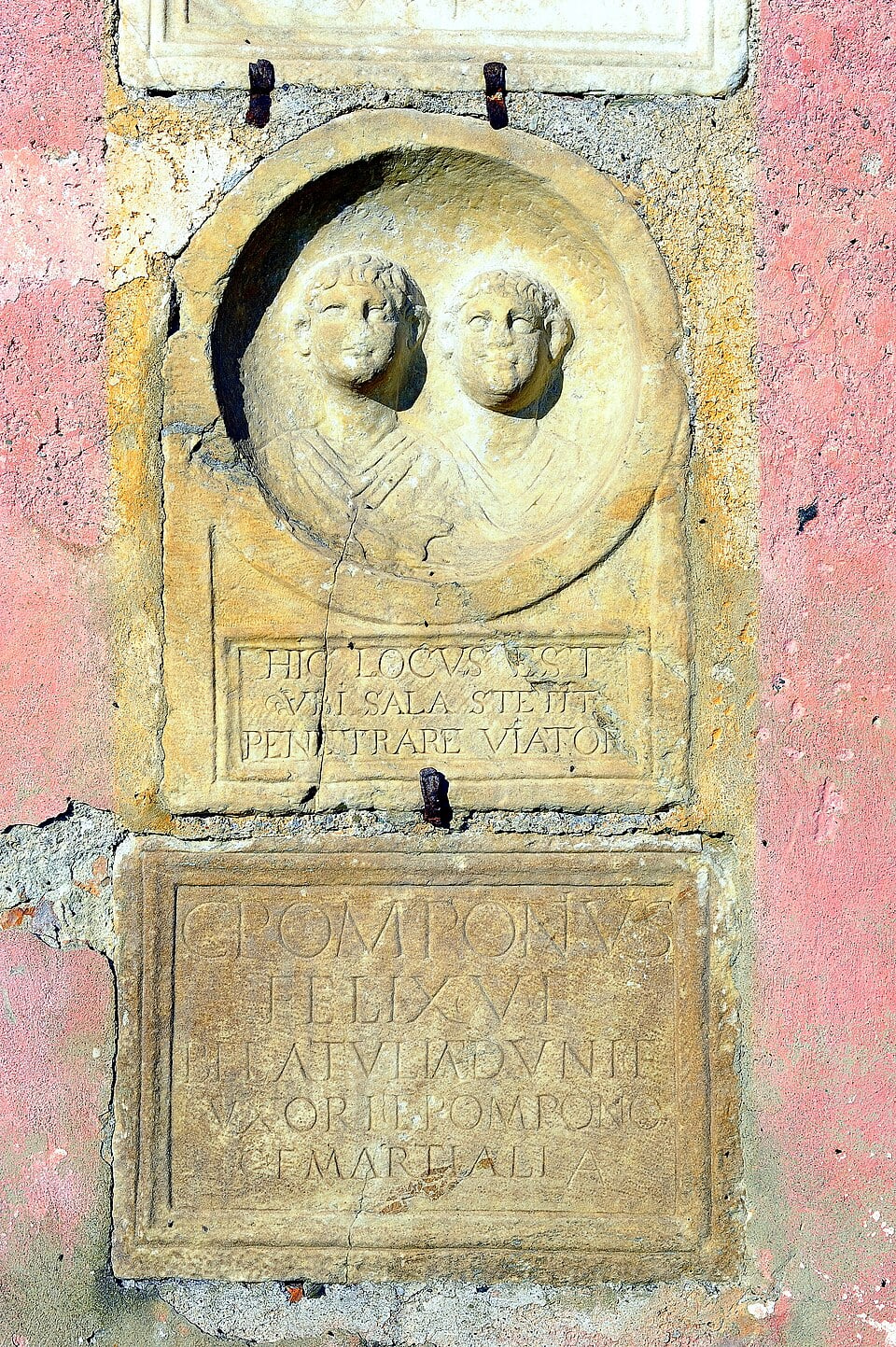
Kaczmarek also observed that Romans who transformed much of European public life had far less influence in private settings. Funerary reliefs show women wearing traditional Norican dress for generations.
Togas appear on such monuments only from the early third century A.D., possibly linked to the granting of universal Roman citizenship in 212 A.D. After Roman administration departed, neither settlement was ever rebuilt or resettled.
See all the latest news from Greece and the world at Greekreporter.com. Contact our newsroom to report an update or send your story, photos and videos. Follow GR on Google News and subscribe here to our daily email!

