



Archaeologists have uncovered part of a prehistoric Chalcolithic cemetery during a new excavation season at the site of Makounta in western Cyprus, according to the Department of Antiquities of the Deputy Ministry of Culture.
Kathlyn Grossman of North Carolina State University led the archaeological mission. The research team also included Tate Paulette, Lisa Graham, and Andrew MacCarthy.
Officials described Makounta Voules/Mersinoudia as one of the key prehistoric settlements in the Paphos region. The project received support from the National Science Foundation, North Carolina State University, and the American Society for Overseas Research.
Tombs discovered near a Chalcolithic settlement
During the latest excavation season, archaeologists uncovered part of a prehistoric cemetery first identified through a surface survey conducted by Darius Maliszewski.
The burial area sits on a hill near a Chalcolithic settlement that the mission previously excavated in earlier seasons. Some of the tomb structures were already visible before excavation work began.
Researchers excavated 10 rock-cut tombs, although several had been disturbed in modern times. Others showed signs of erosion along the rocky hillside.
Researchers identify three burial types
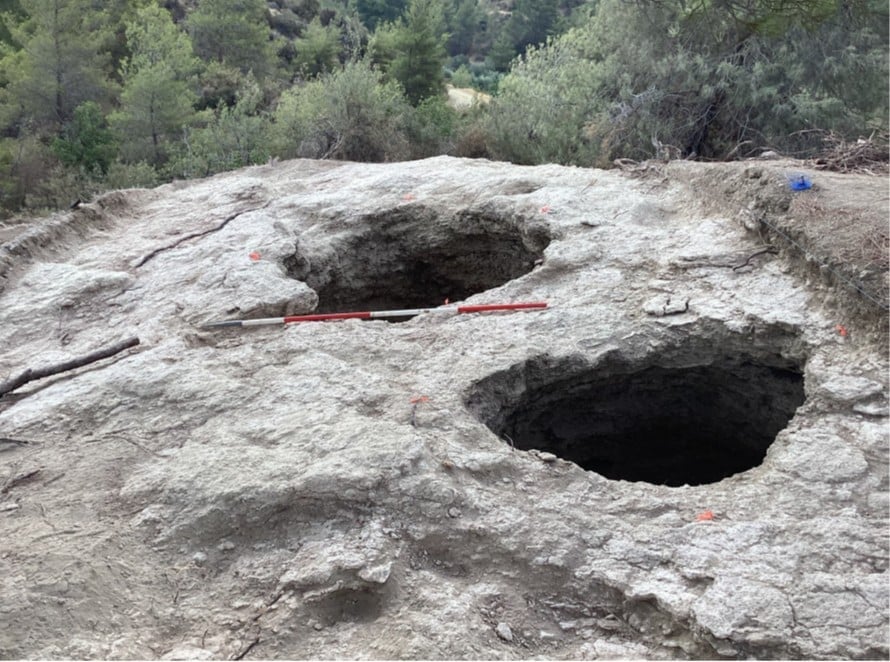
The cemetery contained three main burial types. The first consisted of small circular pits measuring about 1 meter (3.3 feet) in diameter. A second type included larger circular pits about 2 meters (6.6 feet) wide. Both styles were slightly broader at the base.
Some of the larger tombs also contained small side chambers. Archaeologists believe these features likely formed naturally over time rather than being intentionally carved. The third burial type was a rectangular rock-cut grave.
Most of the tombs had been disturbed before excavation, limiting the number of grave goods recovered from the site. Still, archaeologists uncovered several notable artifacts.
One burial contained dozens of beads made from shell, picrolite, faience, and quartz. Another produced part of a human skeleton alongside two copper spirals and fragments of copper wire.
Findings offer insight into prehistoric Cyprus
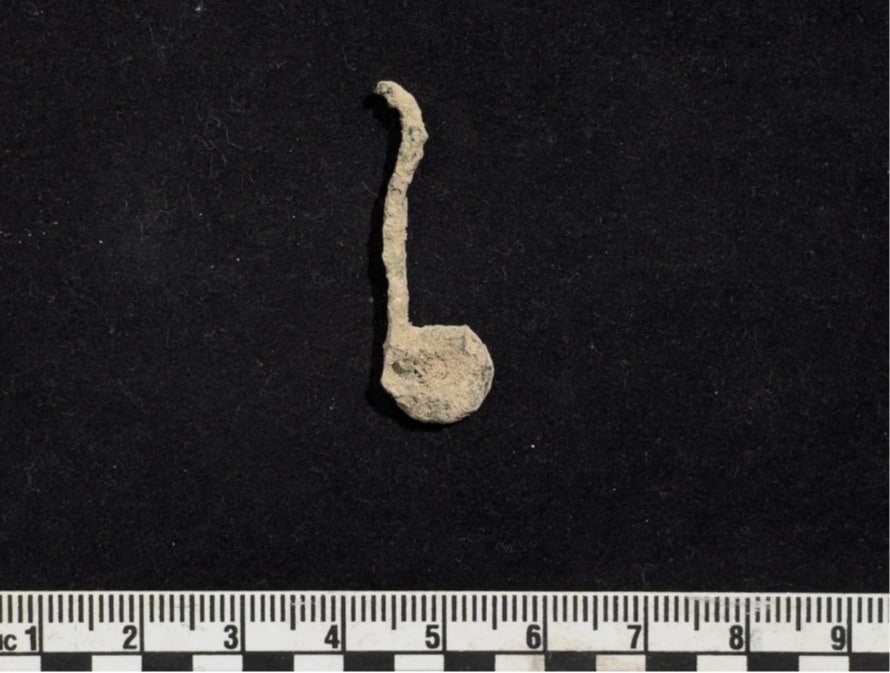
Researchers said the structure of the tombs and the objects recovered from them suggest that most of the burials date to the Chalcolithic period.
Archaeologists reported relatively few artifacts on the ground surface of the cemetery area. This contrasted sharply with the nearby settlement at Makounta, where large amounts of archaeological material remain visible.
Among the few surface finds were a large grinding stone and several pottery fragments discovered near one of the tombs.
The excavation adds new evidence to the study of Chalcolithic burial practices in Cyprus. Researchers said the discoveries also reveal both similarities and differences when compared with the prehistoric cemeteries at Souskiou, offering fresh insight into social organization in prehistoric Cyprus.
See all the latest news from Greece and the world at Greekreporter.com. Contact our newsroom to report an update or send your story, photos and videos. Follow GR on Google News and subscribe here to our daily email!

