



In Book XI of Homer’s Odyssey, Odysseus undertakes a journey unlike any other for Hades, the land of the dead. Guided by Circe’s instruction, he sails to the Cimmerian land, a region shrouded in perpetual mist and darkness. There, the boundary between life and death dissolves.
He descends into a cavern where the living world touches the underworld, preparing himself to consult the spirits of the dead. This journey of Odysseus, known as the Nekyia, reveals the mysteries of Hades, its torments, and the fate that awaits mortals beyond life.
The journey to the Cimmerian shores
Odysseus sails to the edge of the world. The winds grow still, and the light fades into endless dusk. He reaches the Cimmerian land, a place forever wrapped in mist and shadow, where Helios never rises. The air smells of damp earth and silence. There, at the border of the living and the dead, Odysseus prepares to descend to Hades.
Circe had warned him: only through sacrifice could the dead be summoned. Odysseus digs a trench in the cold soil. He pours honey, milk, and wine into the pit and then sprinkles barley over it. Finally, he slaughters black rams and lets their blood flow into the hollow. The dark ground drinks it greedily. From the depths, faint voices begin to stir—murmurs of longing, memory, and forgotten names.
The first shapes appear like smoke against the dim air. The souls drift upward, weightless and pale, drawn by the scent of blood. They crowd around the trench, silent and hungry, their eyes like hollow lamps. Odysseus stands firm, sword in hand, guarding the pit until the prophet Tiresias approaches. No soul may drink before him.
When Tiresias drinks, his form brightens. His hollow eyes fill with knowledge, and he tells Odysseus what lies ahead—the rage of Poseidon, the trials at sea, and the fate awaiting him on his return. His words come like wind from the deep. Then the prophet fades, swallowed again by the grey tide of spirits.
The ghost of Odysseus’ mother
Odysseus’ heart trembles as he sees another shade—his mother, Anticleia. She stands before him, veiled in mist, unaware of herself until she drinks the blood. Then memory returns to her. She recognizes her son and stretches her arms toward him. Odysseus tries to embrace her, but his hands grasp only air. Three times he reaches forward, and three times she slips through his arms, like smoke curling from fire.
Tears fall from his eyes as she speaks. She tells him that Penelope still waits faithfully in Ithaca, surrounded by greedy suitors. His father, Laertes, wanders in sorrow, growing old in his vineyard, longing for his son’s return, and she herself, she says softly, did not die by illness or violence—she died of grief and longing for him. Her words pierce Odysseus deeper than any sword.
Around them rises the murmur of the dead. The cavern widens, and Odysseus sees the rivers that encircle the underworld. The Acheron flows sluggishly through the gloom, its waters dark as iron. Beyond it runs the Cocytus, river of lamentation, where souls wander wailing. The Phlegethon burns like molten metal, coiling through the blackness, its flames whispering pain. And deeper still, unseen yet felt, the Styx winds its dreadful oath-bound current, the boundary even gods fear to cross.
He sees the Erinyes, the goddesses of vengeance, winged and silent, moving through the gloom with serpents in their hair. They circle those who have sworn false oaths, their torches burning with ghostly light and senses the presence of Minos, seated upon a golden throne, his scepter radiant even in the dark. Souls pass before him, each recounting their deeds. Beside him stands Rhadamanthys, stern and shining, recording judgment with unerring calm.
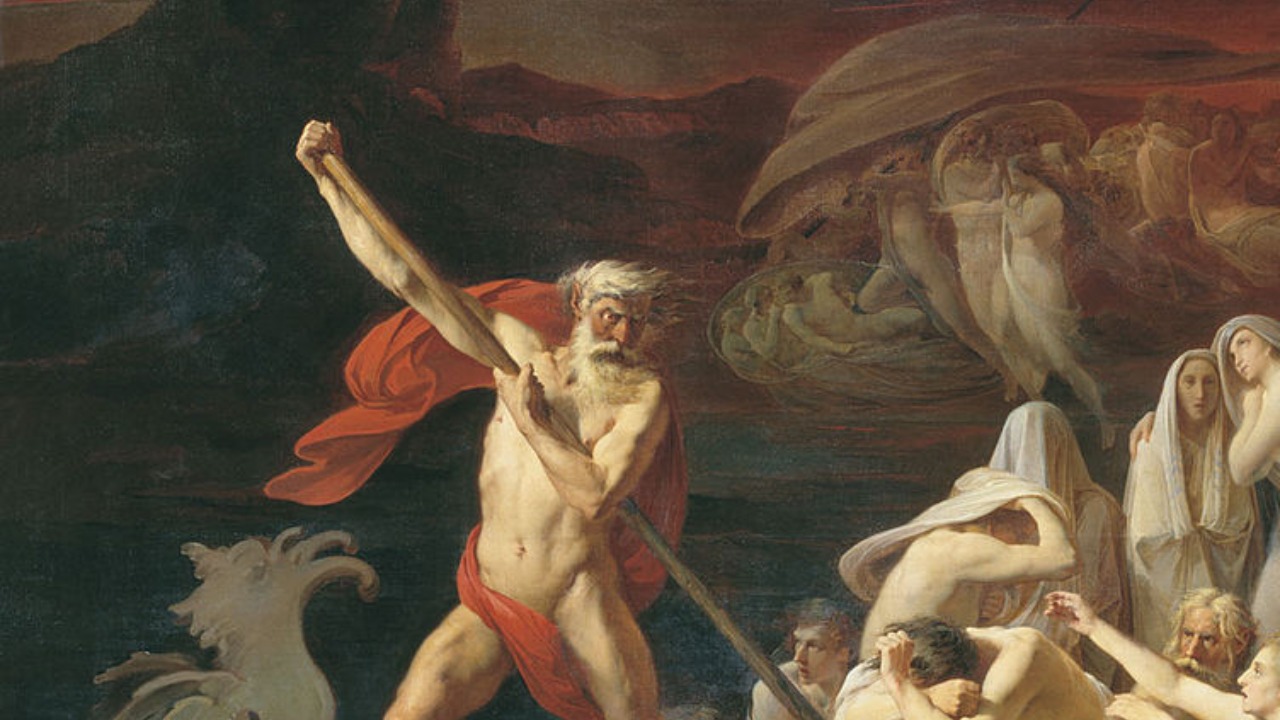
The rivers of Hades
Odysseus moves farther in Hades and beholds the Asphodel Meadows, pale and endless. Countless shades drift there, whispering faintly, their faces void of sorrow or joy. It is the realm of ordinary souls, those neither cursed nor blessed, moving forever in gentle stillness. The faint scent of asphodels lingers in the air, sweet and lifeless. Beyond them, he glimpses the dim reflection of the Acherusian Lake, still and mirror-like, where spirits pause before passing into shadow.
Far below the meadows lies Tartarus, the realm of torment. Thunder rumbles from its depths. Odysseus peers into the chasm and sees the punishment of the Titans and the impious. There lies Tityus, stretched across nine acres, his liver torn endlessly by vultures. Tantalus stands neck-deep in clear water that vanishes each time he bends to drink, while ripe fruit withdraws from his grasp. Sisyphus, straining endlessly, pushes his stone uphill, only to watch it roll back again. Each movement repeats without rest, a rhythm of eternal futility.
He sees too the ghost of Heracles, or rather his phantom, for his divine self now dwells among the gods. The shadow still bears the bow and club, a reminder of the labors that made him immortal. Around him stand the mighty shades—Theseus, Perseus, Orion—each glowing faintly, fragments of once-living fire.
Odysseus walks among them, his heart heavy yet filled with awe. The light of life fades in this place, replaced by a dim reflection of memory. Even heroes here are hollow echoes, their strength dissolved into shadow. The murmur of voices rises and falls like the sea’s breath.
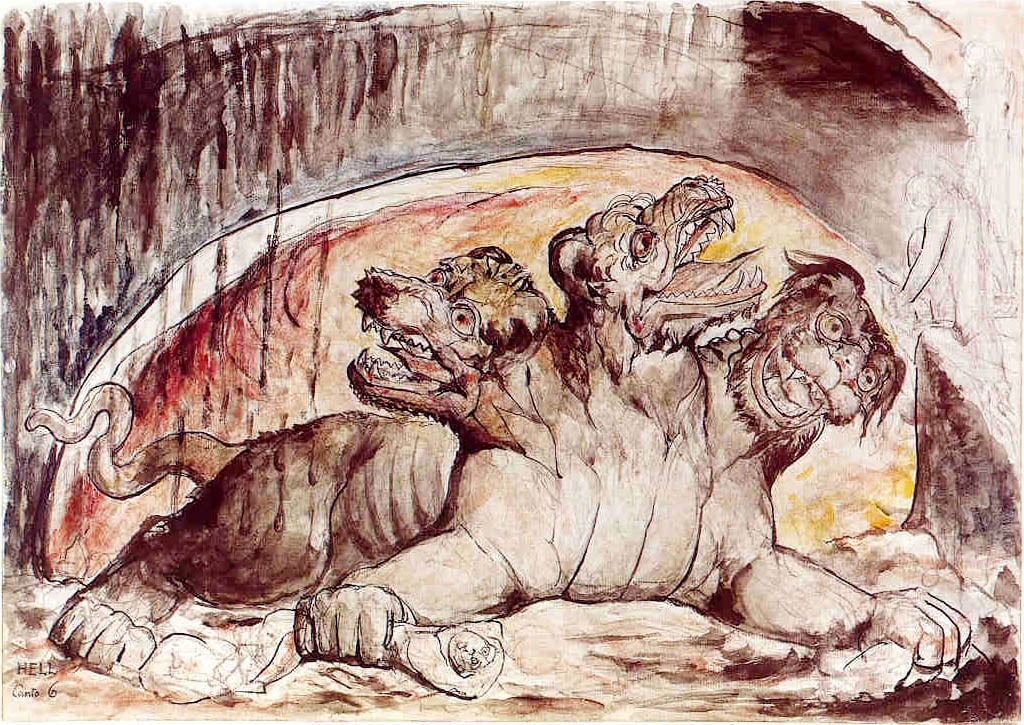
The heroes of the fallen age
Among the drifting figures, Odysseus sees the towering spirit of Achilles, shining even in the gloom. The great hero steps forward, his form still noble though veiled in shadow. Odysseus greets him with reverence, calling him blessed among men, for he reigns as king among the dead as once he did among the living. But Achilles shakes his head.
“Do not praise death to me,” he says. “I would rather be a servant to the poorest man on earth than rule over all these shadows.” His voice is calm but filled with longing. The words strike Odysseus with quiet awe. Achilles asks about his son, Neoptolemus, and Odysseus tells him of his valor at Troy, his courage in battle, and the honor he won. A faint smile crosses Achilles’ face, and his shade grows brighter for a moment before fading into the dim.
Next comes Agamemnon, his form marked by the wounds of betrayal. He tells Odysseus how Aegisthus and Clytemnestra murdered him upon his return, his cries unheard by his servants. Additionally, bitterness fills his tone, yet his voice trembles with memory. He warns Odysseus to be wary upon his homecoming, for not every wife awaits with faith and patience as Penelope does.
Other warriors pass—Ajax, still silent and proud, turning away from Odysseus, his anger from the armor of Achilles unsoftened even in death. Patroclus, kind and gentle, stands beside Achilles like a reflection of his heart. And many others, heroes of a vanished age, drift past, their names echoing like wind over a forgotten plain.

The fade of the dead
Then he sees specters of women—queens and mothers from the dawn of myth. Epicaste, who wed her own son unwittingly; Leda, who bore the twins of Zeus; Phaedra, who died for forbidden love. Their forms pass like dream fragments, each carrying the silence of their fate. The underworld gathers every story, every grief, and holds it in unbroken stillness.
The air grows colder as Odysseus moves deeper. He senses eyes watching from the dark, the ancient guardians of the dead. The Erinyes circle again, silent as smoke. Furthermore, the scent of blood fades, and with it the shades begin to blur and recede. Their murmurs turn to sighs and their faces to mist.
Odysseus feels the pull of the living world above. His companions call to him, their voices faint but urgent. He turns away from the trench, his heart still trembling from what he has seen. Finally, behind him, the underworld closes like a tide returning to the sea.
He boards his ship again as dawn rises dimly through the mist. The Cimmerian shores disappear into grey. Around him, the waters are still, yet the silence hums with unseen echoes. The blood-soaked earth, the whispering rivers, the pale faces of the dead—all remain etched in his mind.
The voyage of Odysseus through the Hades leaves no man untouched. Though Odysseus speaks no moral, his eyes carry the weight of what lies beneath existence—the eternal flow of rivers, the echo of justice, and the shadow of every mortal deed. The dead return to their slumber, and the living sail once more toward the uncertain light.
See all the latest news from Greece and the world at Greekreporter.com. Contact our newsroom to report an update or send your story, photos and videos. Follow GR on Google News and subscribe here to our daily email!

