



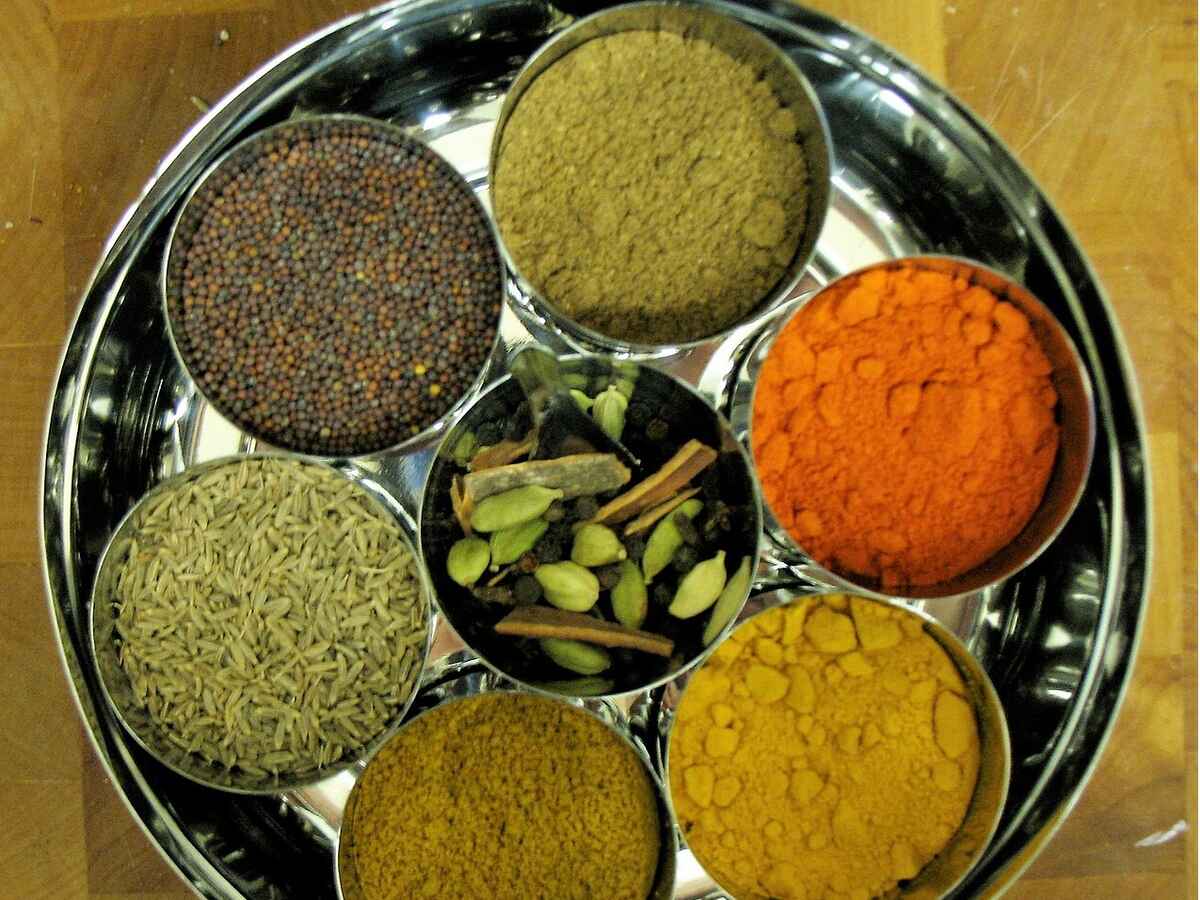
Spices, often overlooked, played a pivotal role in shaping Ancient Greek civilization. From the bustling markets of Athens to the sacred sanctuaries of Delphi, herbs and spices permeated daily life.
Spices shaped cuisine, medicine, trade, and culture, leaving a lasting imprint on Greek society. Examining their diverse influence reveals how these aromatic ingredients helped define identity, drive the economy, and guide social practices.
Spices and Ancient Greek culinary innovation
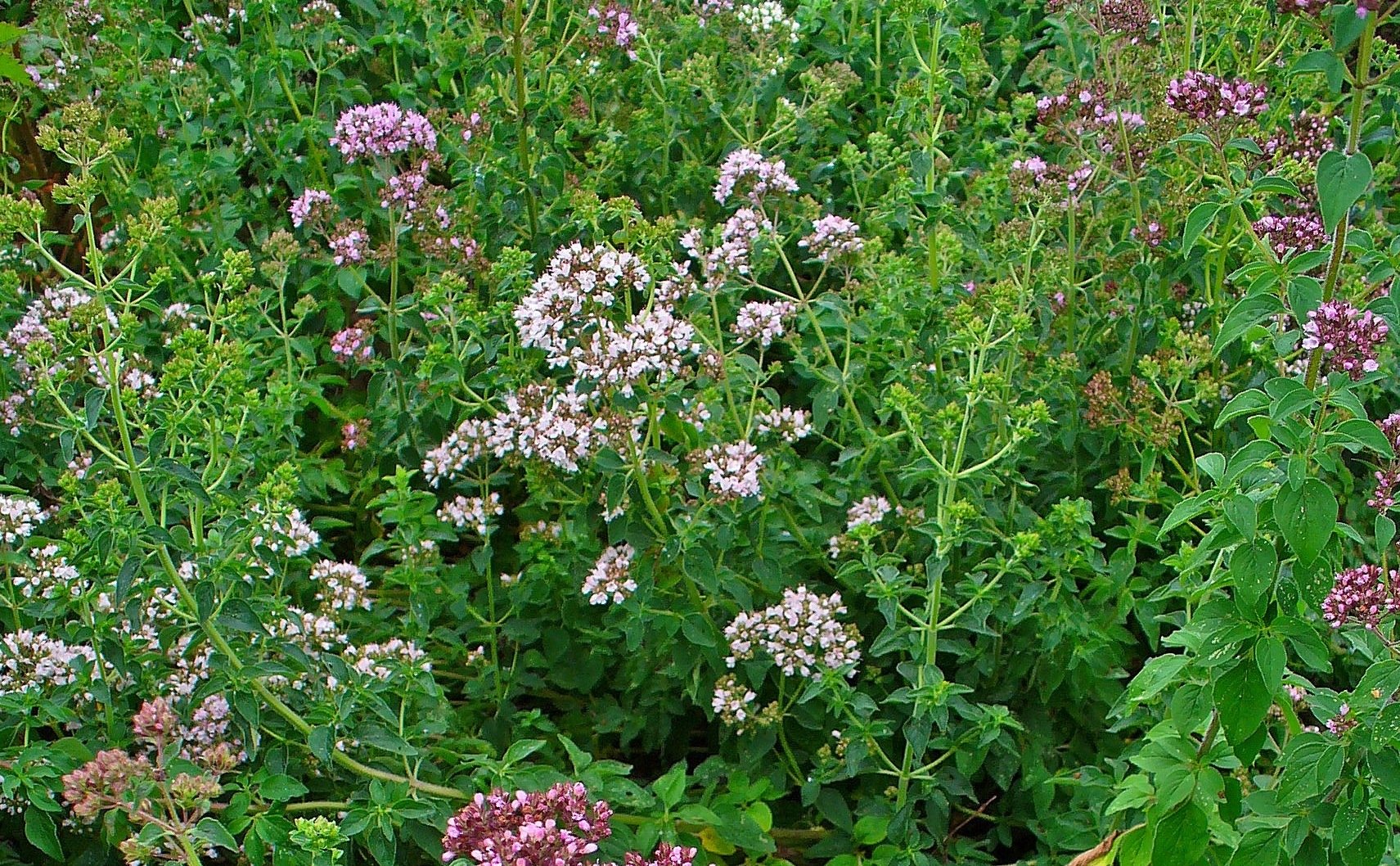
Greek cuisine flourished through the creative use of herbs and spices. Oregano, thyme, rosemary, coriander, cumin, and saffron enriched flavors and added variety to staple foods such as grains, legumes, and fish. Thyme and oregano were especially favored in olive oil–based sauces and roasted meats, while coriander and cumin seasoned stews and pulses. Saffron, imported from Persia and Asia Minor, added both color and a delicate aromatic note to rice dishes and desserts.
The Ancient Greeks recognized that spices could elevate ordinary meals into memorable experiences. They sprinkled herbs on roasted lamb, infused honey with cinnamon and cloves, and incorporated dried marjoram into sauces. Banquets, a central feature of Greek social life, highlighted the significance of spices. Wealthy hosts demonstrated their status by serving spiced dishes, exotic condiments, and fragrant wines, with the variety of spices directly reflecting their prestige.
Spices also had practical applications. In the warm Mediterranean climate, herbs with antibacterial properties, such as oregano and thyme, helped preserve food. The Ancient Greeks combined culinary innovation with an intuitive understanding of these early scientific benefits.
Greek writer Athenaeus described extravagant banquets where saffron-colored wines and honeyed meats impressed visiting dignitaries. Exotic spices functioned not only as flavor enhancers but also as markers of wealth and social standing.
Medicine and health
Spices were central to early Greek medicine. Hippocrates emphasized the importance of diet and herbal remedies in maintaining health. Coriander aided digestion, cumin supported respiratory function, saffron elevated mood, and thyme served as a natural antiseptic. Physicians prescribed these spices not merely as flavorings but as therapeutic agents capable of balancing the body’s humors.
Greek medical texts reveal sophisticated recipes that combined multiple herbs to address specific ailments. For example, a remedy for indigestion might include cumin, dill, and coriander, while a skin ointment could feature myrrh and frankincense. These formulations demonstrate the Greeks’ detailed understanding of plant properties, reflecting an approach that blended careful observation, experimentation, and tradition—laying the foundation for future pharmacology.
The physician Dioscorides recorded the medicinal uses of cinnamon and cassia, both imported from Arabia, noting their warming qualities and effectiveness in treating digestive issues. Such texts circulated across the Mediterranean, shaping Roman medicine and later influencing European medical practices.

Religious and cultural significance of spices in Ancient Greek civilization
Spices held deep symbolic meaning in Ancient Greek culture. Frankincense, myrrh, and cassia were commonly used in temple offerings, funeral rites, and purification ceremonies. Burning aromatic herbs created a sacred atmosphere, signaling reverence for the gods and respect for ancestors. Some spices, such as saffron, became symbols of devotion and luxury because of their rarity.
Spices also reflected social hierarchies. Imported varieties like cassia and cloves were accessible only to the elite, and their presence at banquets showcased wealth and cultural refinement. Ordinary Greeks relied on locally grown herbs such as thyme, oregano, and mint, underscoring social distinctions through taste and availability.
During the Panathenaic festival, fragrant oils and spices were offered to Athena, producing a multisensory spectacle. These rituals combined religious devotion with social display, highlighting the symbolic power and cultural significance of aromatic plants.

Trade networks and economic growth
The Greeks’ fascination with spices drove the development of extensive trade networks across the Mediterranean and Near East. Cities such as Athens, Corinth, and Rhodes flourished as commercial hubs, importing cinnamon, cassia, cloves, and saffron. These routes connected Greek ports with Egypt, Persia, India, and Arabia, facilitating the exchange of both goods and ideas.
Merchants navigated perilous seas, negotiated with foreign rulers, and supplied spices to meet the demands of wealthy citizens and religious institutions. The high value of these aromatic commodities also spurred innovations in shipping, storage, and trade agreements. Spices thus became more than culinary ingredients—they emerged as vital economic drivers linking Greece to distant civilizations.
Alexander the Great’s campaigns in Persia and India further expanded Greek access to exotic spices. Soldiers and traders returned with cinnamon, cardamom, and cloves, introducing these prized ingredients to Mediterranean markets and transforming Greek cuisine.
Greek engagement with spices fostered significant cross-cultural exchange. Contact with Egyptian, Phoenician, and Persian traders exposed Greeks to new culinary techniques, medicinal applications, and ritual practices. Greek cooks adapted these influences, blending foreign flavors with local ingredients, while Greek knowledge in turn spread outward, shaping Roman cuisine and Mediterranean medicine.
The physician Galen documented the therapeutic properties of imported spices, drawing on knowledge from Mesopotamia, Egypt, and India. His writings became authoritative references for centuries, demonstrating how spices bridged continents, cultures, and disciplines.
Legacy of spices in Greek civilization
The influence of spices extended far beyond their practical uses. They became cultural markers, valuable economic commodities, and instruments of social signaling. By connecting Greece to distant lands, spices contributed to wealth, knowledge, and cultural refinement. Through food, medicine, and ritual, they permeated daily life, shaping taste, health, and social perception.
Even today, Mediterranean cuisine reflects the enduring Greek legacy of herbs and spices. Thyme, oregano, and saffron remain staples, offering a tangible link between ancient practices and contemporary traditions.
Spices shaped Greek cuisine, medicine, religion, trade, and cultural identity, demonstrating how sensory experience intersected with social, economic, and spiritual life. The pursuit of exotic spices drove Greece to establish extensive trade networks, fostering economic growth and cross-cultural exchange. These interactions not only enriched Greek knowledge but also connected the civilization to regions stretching from Egypt to India, leaving a lasting imprint on Mediterranean history and culture.
See all the latest news from Greece and the world at Greekreporter.com. Contact our newsroom to report an update or send your story, photos and videos. Follow GR on Google News and subscribe here to our daily email!

