



A remarkable ancient Greek inscription carved on an ancient well in present-day Albania is offering new clues about a wealthy Roman woman who may have moved within the circles of Emperor Hadrian and helped reshape one of the region’s most important cities nearly 1,900 years ago.
Researchers examining the inscription at the ancient Greek city of Butrint (Greek: Βουθρωτόν) have concluded that the monument likely commemorates a woman named Junia Rufina, an elite benefactor whose influence extended beyond a simple donation.
Their findings suggest she played a role in a wider wave of urban renewal that transformed the city during the second century A.D.
The inscription appears on the stone parapet of a well near Butrint’s northern entrance, known as the Lion Gate. Written in carefully carved Greek letters, it reads: “Junia Rufina, friend of the Nymphs.” Researchers believe the phrase carried a deeper meaning than a simple dedication.
Ancient well became a monument
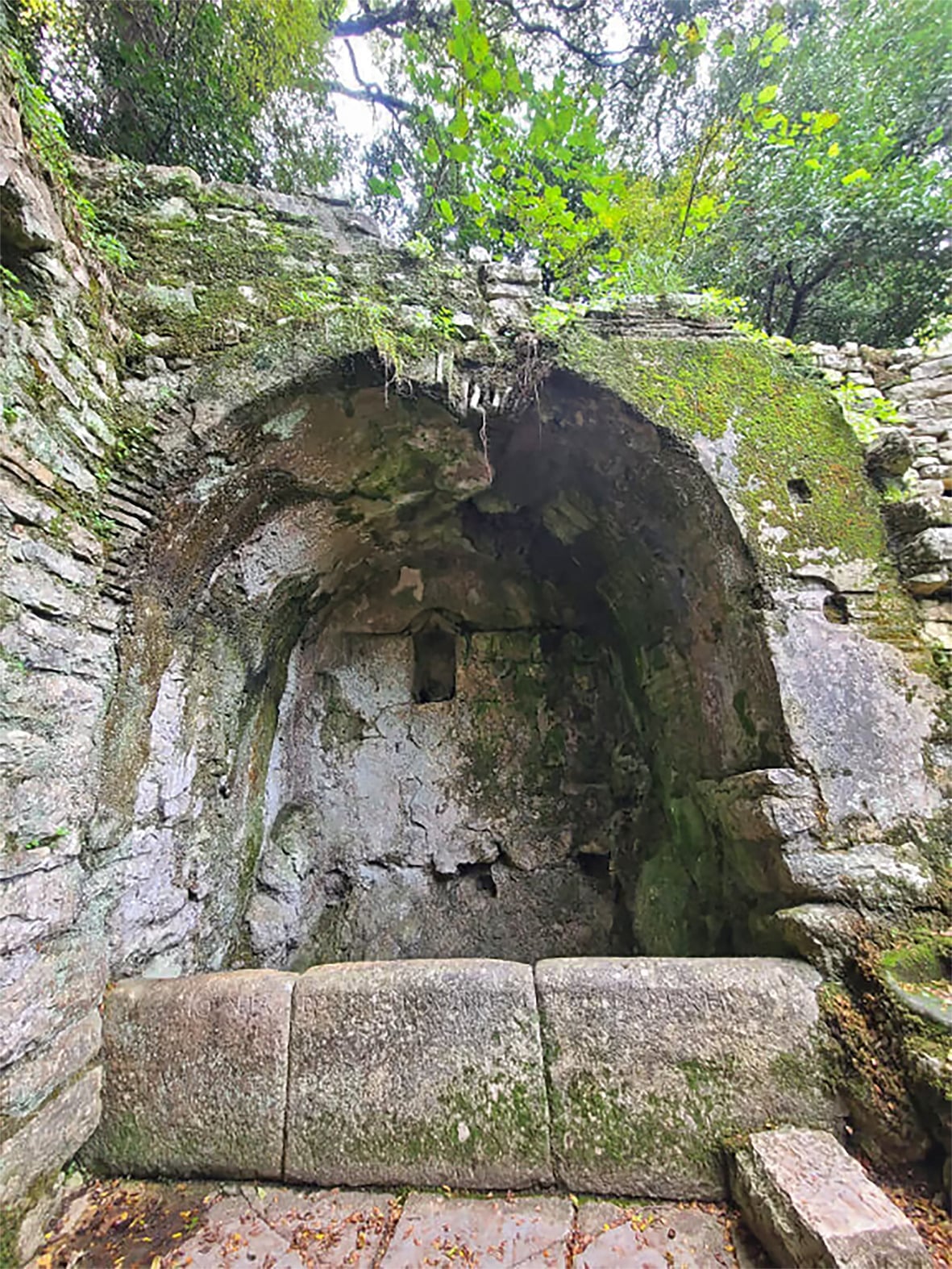
The well itself had a long history. It was originally incorporated into the city’s defenses during the Hellenistic period and remained an important source of fresh water for centuries.
Later renovations transformed it into an elaborate grotto-like structure associated with the Nymphs, divine figures linked to springs and water in Greek religion.
Excavations show that the site underwent multiple phases of rebuilding from Roman times through the Byzantine, medieval, and Ottoman periods. Despite these changes, the inscription and parts of the Roman architecture survived, preserving evidence of an ambitious rebuilding program.
Researchers argue that the well was renovated during a period when Butrint experienced extensive development. Public buildings, baths, fountains, and water-related monuments were upgraded on a large scale, giving the city a more monumental appearance.
A link to Emperor Hadrian
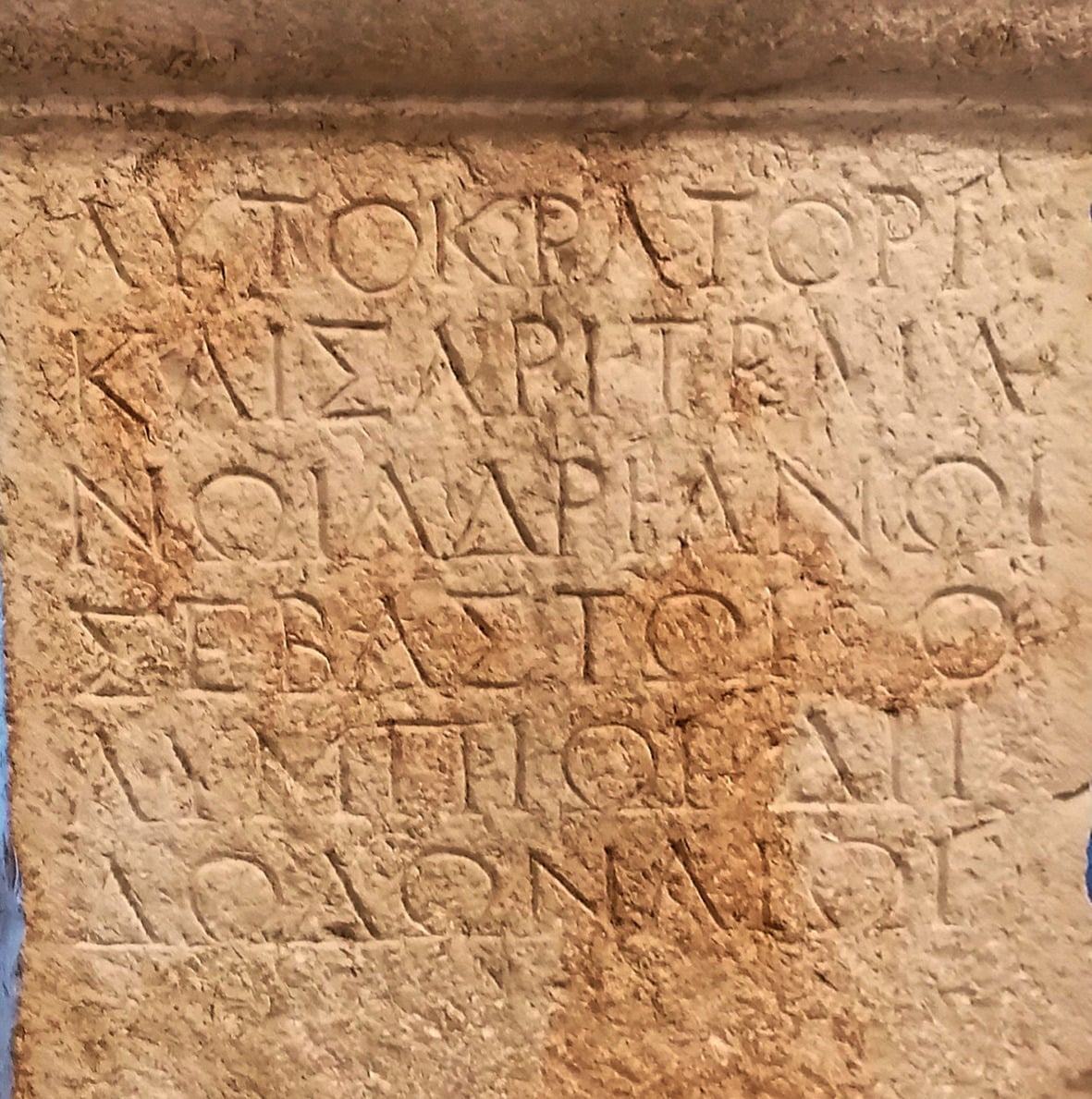
The study places the inscription in the reign of the Roman emperor Hadrian, who ruled from A.D. 117 to 138 and promoted Greek culture throughout the eastern Mediterranean.
One clue comes from the inscription’s language. Although Butrint had long favored Latin for public monuments, Junia Rufina chose Greek. Researchers say this reflects a broader cultural shift during Hadrian’s reign, when Greek language and traditions enjoyed renewed prestige across the eastern Roman Empire.
The lettering style also closely resembles inscriptions associated with Hadrian in nearby Epirus. This evidence suggests the monument may date to the period surrounding the emperor’s visit to the region in the early 130s A.D.
According to the study, imperial visits often triggered local construction projects. Wealthy citizens and local elites frequently funded public works to honor the emperor and enhance their cities. Junia Rufina’s renovation of the well may have formed part of this broader movement.
More than a donor
Researchers believe the inscription may have accompanied a portrait statue or bust of Rufina displayed near the well. The wording does not follow the usual format of a building dedication. Instead, it may have served as a label identifying her image while highlighting her special relationship with the Nymphs.
Such displays were common in the eastern provinces of the Roman Empire, where benefactors often placed their portraits in fountains and public water features they sponsored.
The study also points to possible Egyptian connections. The phrase “friend of the Nymphs” is extremely rare and echoes language used in monuments associated with Ptolemaic queens. Researchers suggest the wording may reflect familiarity with Alexandrian culture and literature.
Tracing the identity of Junia Rufina
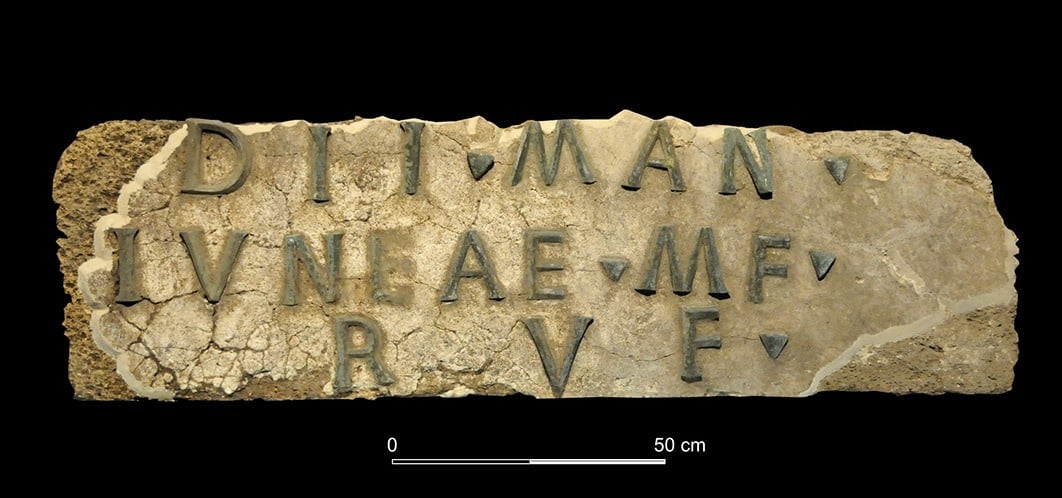
Although no definitive identification exists, the study proposes that Junia Rufina may have belonged to the influential Junii Rufini family, whose members held senior positions across the Roman Empire. Researchers suggest she may have been connected to Marcus Junius Rufus, a former prefect of Egypt, and possibly linked to the imperial household through family ties.
If that theory is correct, Rufina would have been part of a highly educated and politically connected network stretching from Egypt to Greece and Rome.
Researchers conclude that the inscription preserves more than the memory of a single benefactor. It captures a moment when local ambition, imperial politics and Greek cultural revival intersected in one growing provincial city. Nearly two millennia later, the brief inscription still preserves the name of a woman whose influence may have reached far beyond the walls of ancient Butrint.
See all the latest news from Greece and the world at Greekreporter.com. Contact our newsroom to report an update or send your story, photos and videos. Follow GR on Google News and subscribe here to our daily email!

