



Following a years-long restoration and preservation effort, the Palace of the Despots within the legendary medieval castle town of Mystras has fully opened its gates to the world.
This extensive project takes a modern, holistic approach to heritage preservation, combining climate-resilient infrastructure and universal accessibility with immersive museum exhibitions that bring the twilight of the Byzantine Empire back to life.
What is Mystras and the Palace of the Despots?
Perched dramatically on the slopes of Mount Taygetos in the Peloponnese, Mystras is a UNESCO World Heritage site and one of the most important cultural treasures of the medieval world. Founded in the mid-13th century, it grew from a Frankish fortress into the brilliant capital of the Despotate of the Morea, a powerful, semi-autonomous principality governed by the sons or brothers of the reigning Byzantine Emperors.
In its 14th and 15th-century golden age, Mystras was a bustling hub of art, politics, and philosophy, serving as the final vibrant cultural capital of the Byzantine world before its fall.
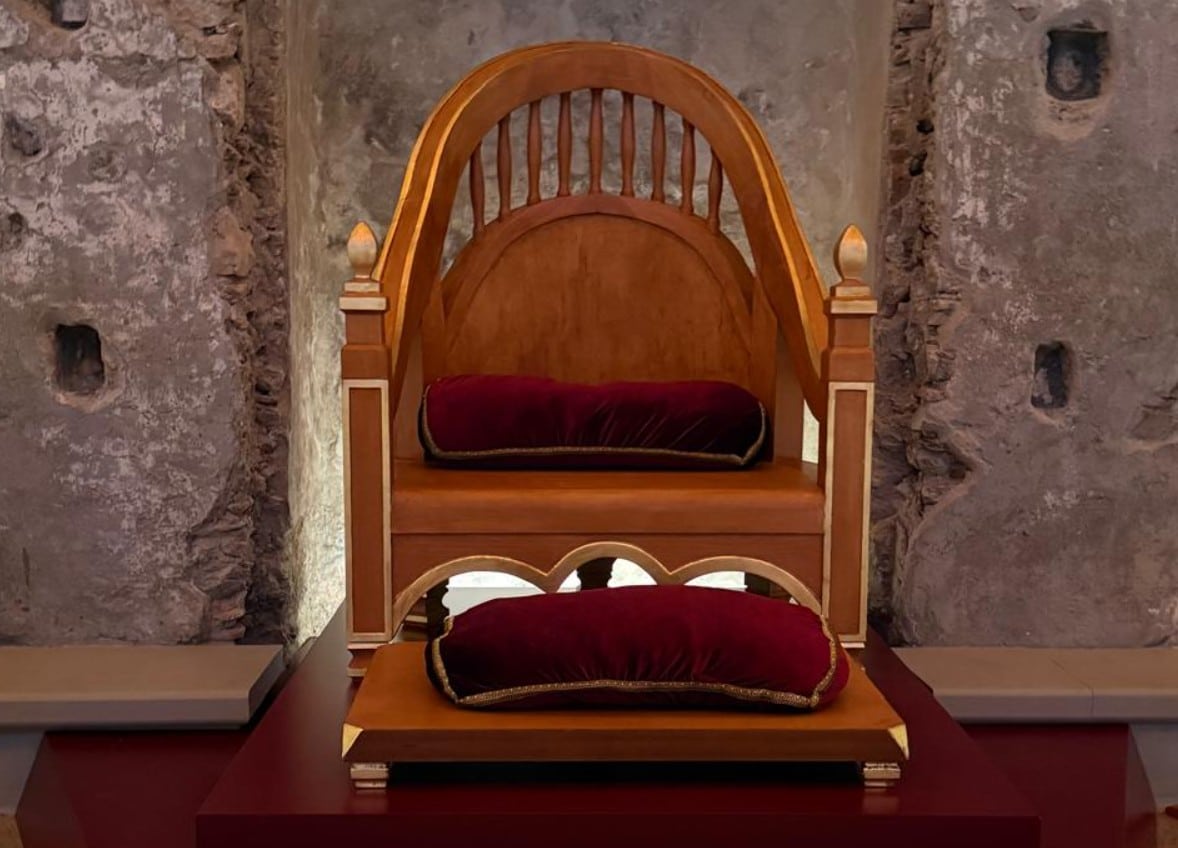
At the literal and symbolic peak of this medieval city stands the Palace of the Despots. It is the only surviving Byzantine palatial complex in Greece. The majestic palace is an architectural chronicle of power, bearing the footprints of both Frankish conquerors and the great Byzantine imperial dynasties: the Kantakouzenos and the Palaiologos.
With its administrative quarters, royal wings, and an imposing, high-ceilinged Throne Room, the complex offers an unmatched look into the functional hierarchy, pageantry, and daily life of late Byzantine aristocracy.
Returning a living sanctuary to society
At the opening ceremony, Greek Minister of Culture Lina Mendoni highlighted the profound emotional and historical weight of returning the site to the global public:
“Today is a milestone for Laconia and the Peloponnese. We are not merely celebrating another restoration project; we are returning a sanctuary of national historical memory and identity to society—a cultural asset of universal value and a timeless cradle of civilization. This initiative reintegrates a crowning jewel of Byzantine heritage into the modern cultural and tourism map of Greece and Europe.”
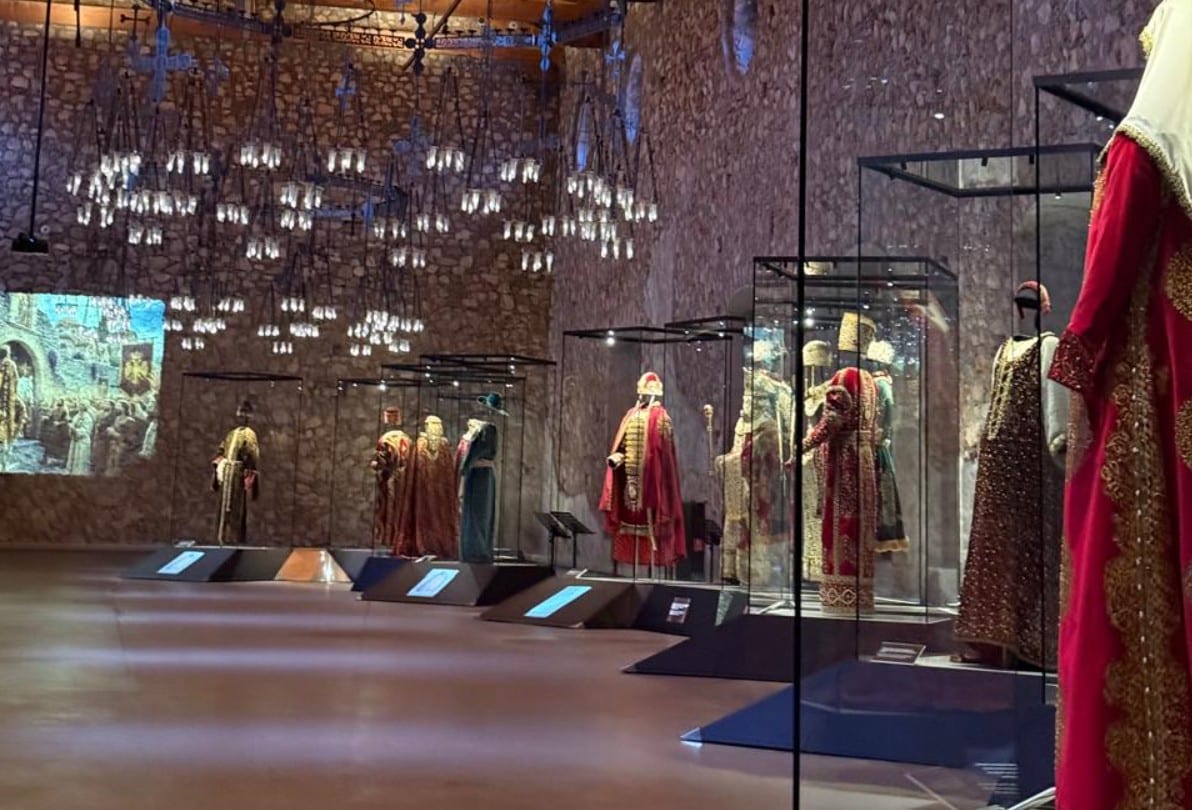
The palace interiors now host a series of permanent and temporary exhibitions designed to offer an immersive, experiential journey through time:
“Imperial Narratives” (Permanent Exhibition)
A seamless blend of physical artifacts and smart digital displays that charts the history of the imperial families who governed Mystras, detailing the city’s political zenith and its role as a final refuge for Byzantine intellect and theology.
“In the Sarays of the Princess” (Temporary Exhibition)
This collection explores the enduring allure of Mystras, tracing how the castle town captured the imagination of European writers, artists, and intellectuals from the 15th century through to the early 20th century.
“Reflections of Glorious Attire” (Temporary Exhibition)
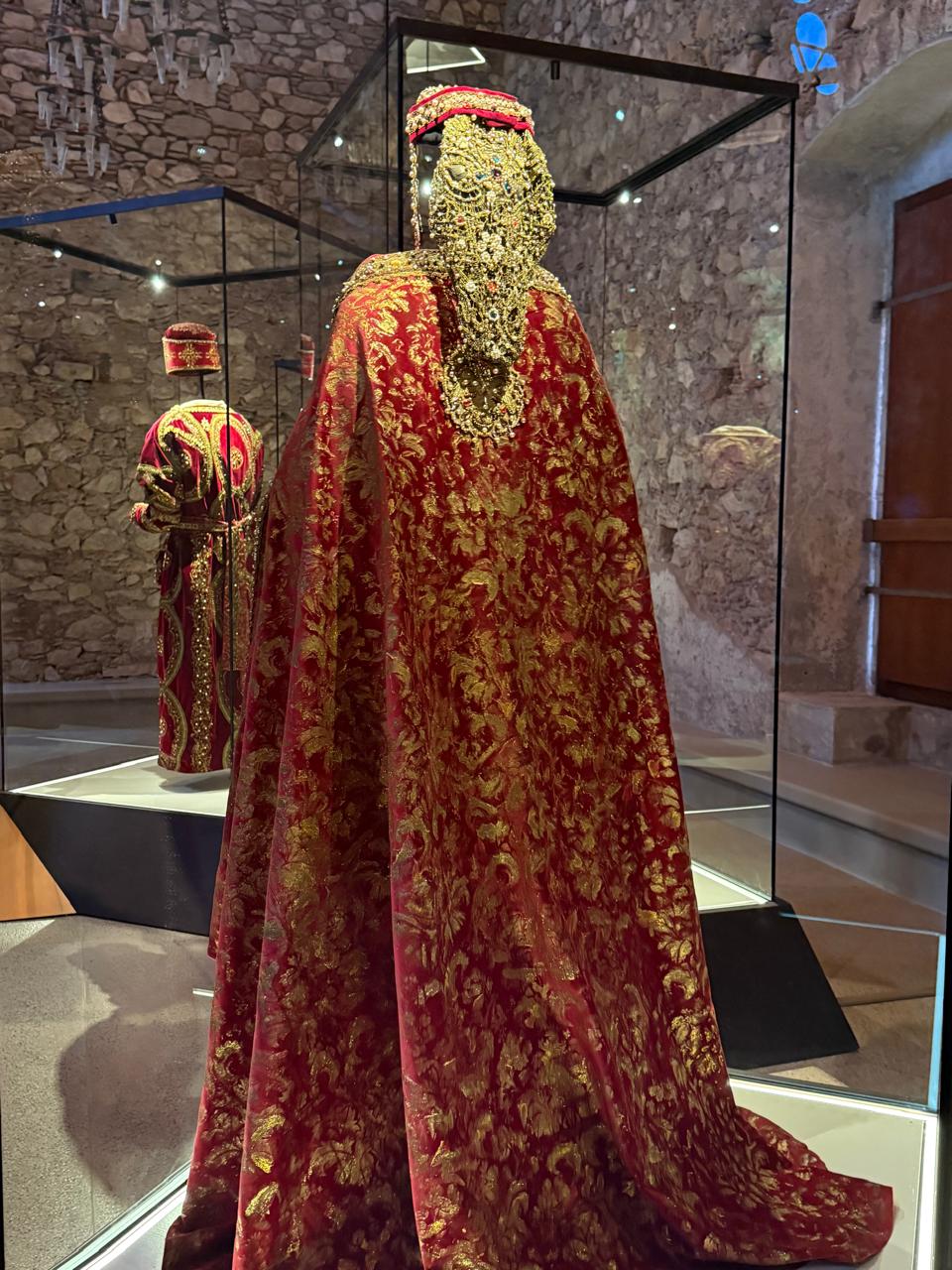
Staged within the majestic Throne Room, this unique exhibition focuses on clothing as a dynamic language of authority and social status. It displays stunning, handmade historical costumes of the Palaiologan Court. Recreated directly from surviving Byzantine iconography and frescoes, the garments were crafted by the monastic sisterhood of the Pantanassa Monastery in Mystras, with technical expertise from the costume department of the Greek National Opera.
See all the latest news from Greece and the world at Greekreporter.com. Contact our newsroom to report an update or send your story, photos and videos. Follow GR on Google News and subscribe here to our daily email!

