



Most Ancient Greek philosophers were focused on how to live a good life and the pursuit of happiness, or eudaimonia, as they called it in Greek. But then there was Hegesias. Commonly remembered as “the Death Persuader,” it is often claimed that he was the most dangerous intellectual of the Hellenistic era. The reason was simple yet gruesome. His brand of pessimism was so convincing it actually generated a wave of suicides in ancient Alexandria.
While his exact dates of birth and death have been lost to history, the philosopher Hegesias flourished around 290 BC. Hegesias began his journey in philosophy with the standard teachings of the Cyrenaic school, an ultra-hedonistic branch of Ancient Greek philosophy founded in the 4th century BC by Aristippus of Cyrene, a student of Socrates. Its core belief was that immediate, physical pleasure is the supreme good and ultimate goal of human life, prioritizing present-moment pleasure over future planning or mental tranquility.
Hegesias warped these beliefs into something completely bleak, drastically changing its foundations. Rather than pointing out that life is tough, he used cold, relentless logic to argue that existence was fundamentally pointless. The pain, he reasoned, will always outweigh those few, fleeting moments of pleasure that defined the Cyrenaic school. This is why his nickname, Peisithanatos, was a literal description of what he did to the young Egyptians of the Hellenistic era who showed up to hear him speak.
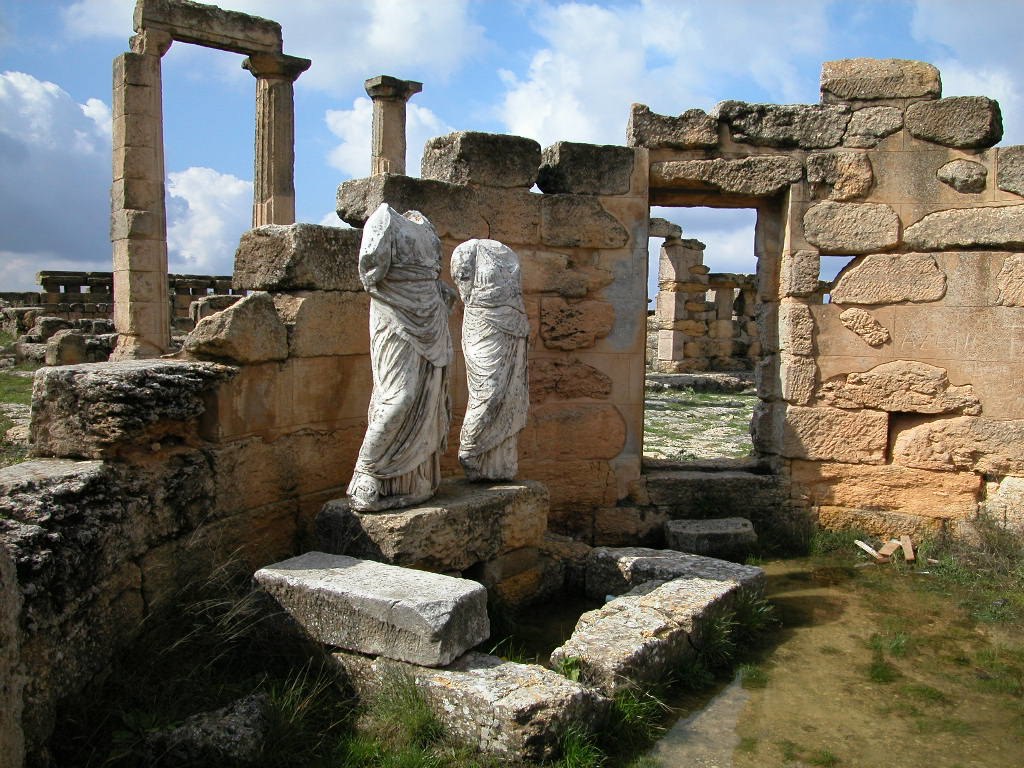
Hegesias took a radical shift to nihilism
To comprehend his brief but profound impact, we have to look at his roots. The Cyrenaic school, founded by Aristippus, focused almost exclusively on chasing immediate, physical pleasure. Hegesias, however, drove that philosophy straight off a cliff. He became so profoundly disillusioned that the pursuit of joy morphed into a frantic escape from pain.
Happiness, he argued, is a total fever dream. In practice, our bodies are constantly breaking down or hurting, and our minds are forced to carry that weight right along with them. He even wrote a book (sadly lost to time) called Apokarteron (The Man Who Starves Himself). From what is known from secondary sources, it revolved around a guy who actively fasted to death and took the time to explain to his friends why dying is actually better than living. This was the calculated endgame of a thinker who genuinely believed the only rational way to exist was a total, icy indifference to whether you woke up the next morning.
Why Ptolemy stepped in
You can probably imagine what happened next. His lectures were bizarrely charismatic, and they sparked what we would call a public health crisis today. Young men were taking his words to heart and actively seeking the “painless” exit he talked about. It got so bad that King Ptolemy II Philadelphus actually had to step in.
In a pretty rare move for the ancient world, the King banned Hegesias from teaching and ultimately kicked him out of the city altogether. This was a fascinating historical parallel to the arguments we still have today about free speech and public safety. Think about Socrates, for example. He was executed for “corrupting” the youth with tricky moral questions. Hegesias, on the other hand, was exiled because his logic was literally putting his audience in immediate danger. Ptolemy’s ban had nothing to do with a tyrant flexing his political muscle. It was a desperate move of the Hellenistic state of Egypt to stop a booming city from bleeding its young citizens dry.
It’s hard not to draw parallels with Hegesias to our own world. Whenever things get socially unstable, radical pessimism has a way of creeping back into the mainstream. You can draw a straight line from the Death Persuader to later thinkers such as Schopenhauer, or even to today’s antinatalist movements, which argue that it is morally wrong to bring kids into a world full of suffering.
Looking at Hegesias’ life, we can see that mental health struggles and the contagious nature of sheer despair aren’t modern problems. They have been part of human life probably since the beginning of our existence.
See all the latest news from Greece and the world at Greekreporter.com. Contact our newsroom to report an update or send your story, photos and videos. Follow GR on Google News and subscribe here to our daily email!

