



Greek civilization did not die with Alexander the Great. It traveled west, entered Rome, and helped build an empire that would outlast every Hellenistic kingdom. French historian Pierre Grimal traces how Hellenism and the rise of Rome were not competing forces but deeply connected chapters in the same Mediterranean story.
His argument is direct: Rome was never a foreign conqueror of Greek culture. It was Greek culture’s most enduring heir.
When Alexander died suddenly in Babylon on June 13, 323 BC, his generals carved his vast empire into rival kingdoms. Ptolemy took Egypt. Seleucus secured Babylon and Persia. Antigonus controlled much of Asia Minor.
None of them held together what Alexander had built. But while political unity collapsed, Greek civilization expanded. Greek merchants, soldiers, philosophers, and artists spread across the East, carrying their language and ideas far beyond any army’s reach.
Greek civilization spread east without a single sword
The Greek language became the common tongue of diplomacy and commerce from Egypt to the edge of India. Grimal stresses that this expansion required no military enforcement. Greek civilization took hold because those who adopted it gained real advantages.
The dynast Mausolus of Caria demonstrated this early, rebuilding his capital in the Greek style and attracting Greek artists and thinkers to his court. Grimal notes that Mausolus understood the adoption of Greek culture as a condition of political relevance. His kingdom would not last, but its example would be repeated across the Mediterranean world.
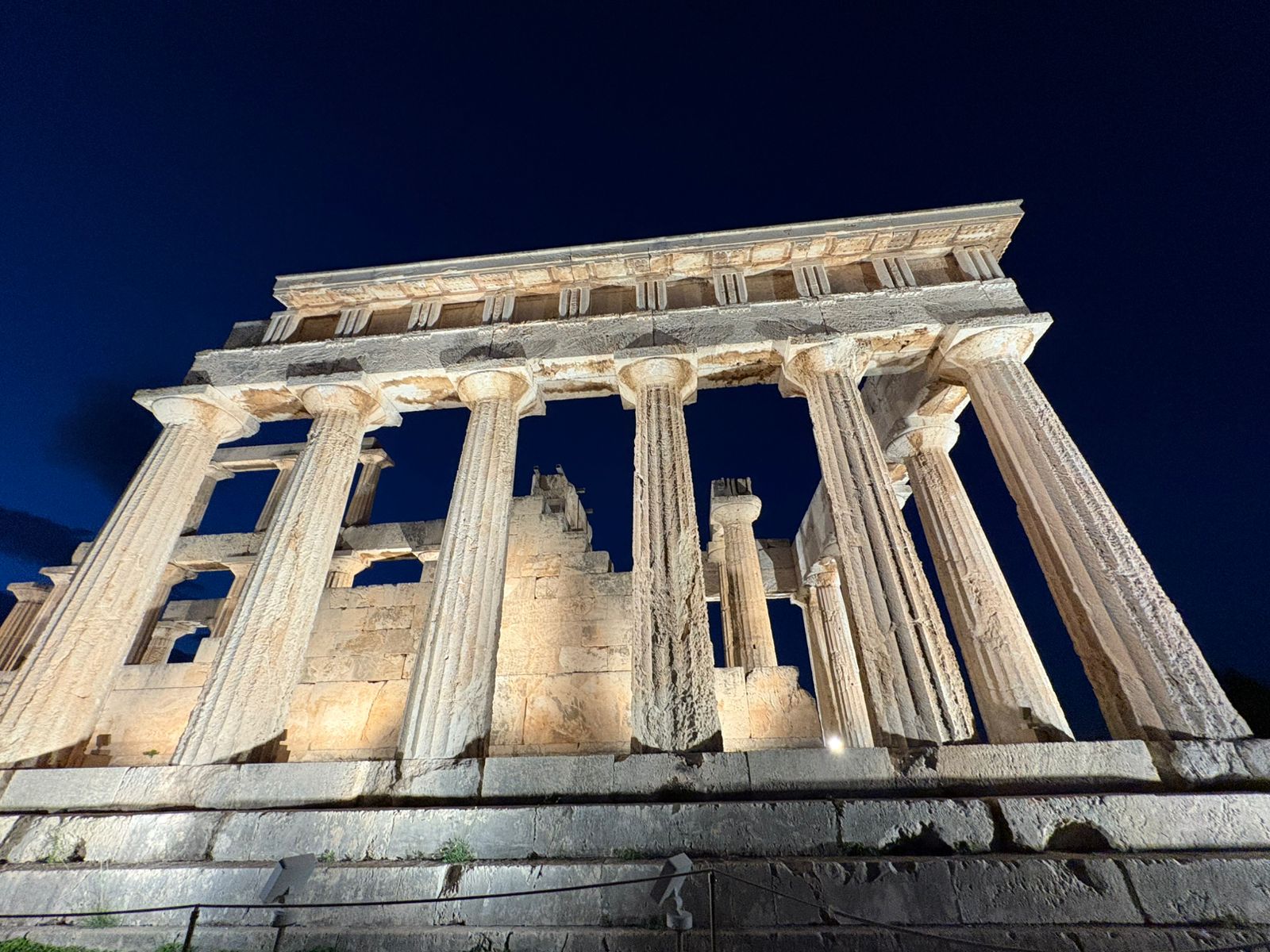
Rome built its power along entirely different lines. While the Hellenistic kingdoms depended on a single strong ruler, Rome relied on alliances, citizen soldiers, and collective governance.
Roman armies defended their homeland rather than chasing distant conquest. Grimal notes that Roman expansion presented itself as a form of association rather than domination. The cities it absorbed retained considerable autonomy in exchange for military loyalty. Each conquest brought new peoples into the Roman orbit without erasing them.
How Hellenism’s rise had already shaped Rome from within
Rome was already being shaped by Greek culture long before it confronted any Hellenistic kingdom directly. The Etruscans had passed Greek artistic forms to early Rome. The Greek colonies of southern Italy introduced philosophy, architecture, and civic life.
When Pyrrhus of Epirus landed in Italy in 280 BC with a Hellenistic army that included war elephants, the Romans faced Greek-style warfare for the first time. Those wars were costly, but they pulled Rome directly into Mediterranean politics.
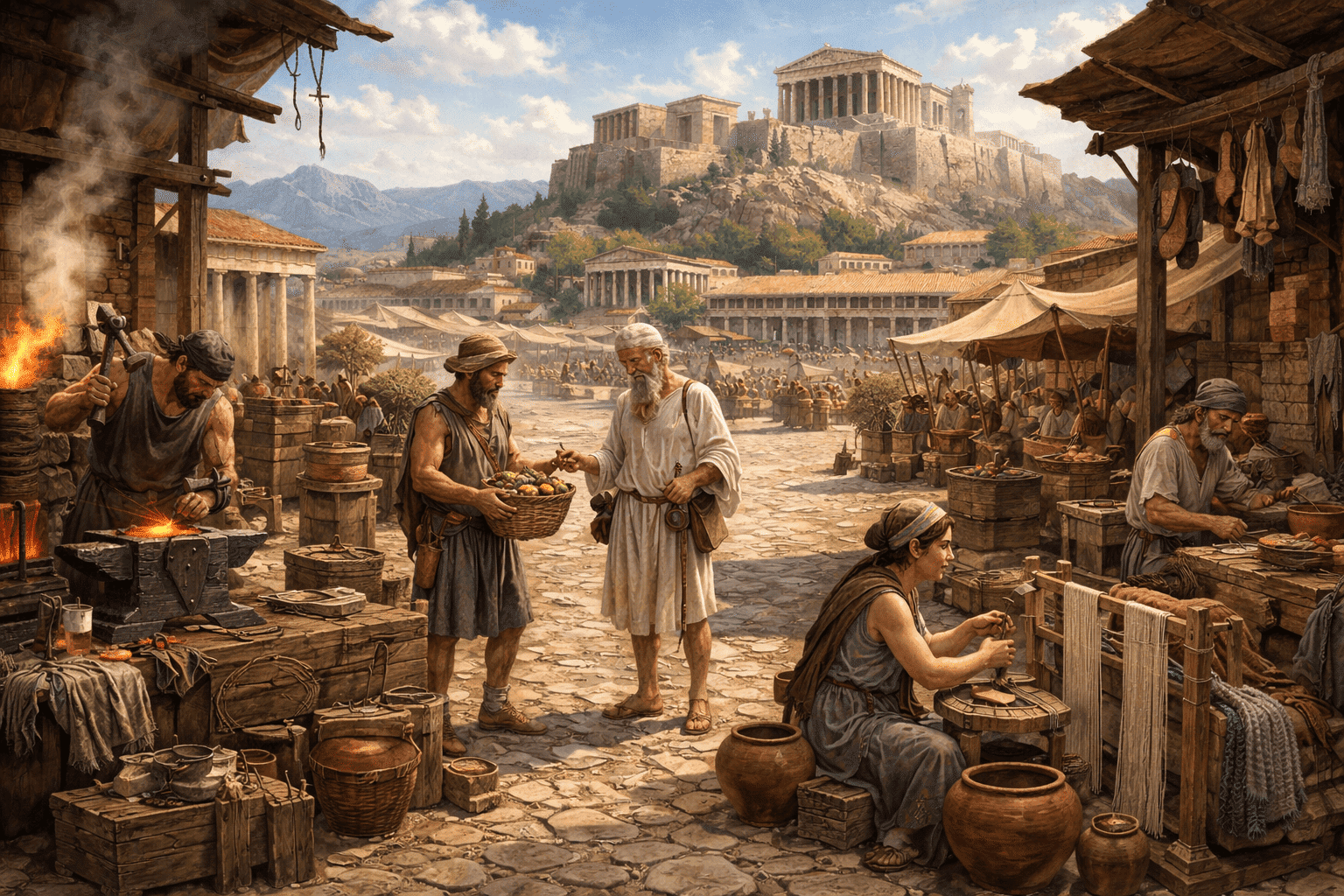
Ptolemy II sent an embassy to Rome almost immediately after Pyrrhus was defeated, recognizing the rising western power. Grimal points to this as one of the most important consequences of the Pyrrhic Wars.
A Greek slave from Tarentum wrote Rome’s first literature
The birth of Latin literature itself grew out of this encounter with Hellenism. Livius Andronicus, a Greek from Tarentum, arrived in Rome after that city fell in 272 BC. He created the first comedies and tragedies performed in Latin, adapting Greek plays for Roman audiences.
He also produced a Latin translation of the Odyssey. Grimal argues this was no mere scholarly exercise. Livius wanted to give Rome a national literature rooted in the heroic tradition that Greeks and Romans already shared. Roman culture, in the years just before the war with Hannibal, was undergoing deep Hellenization.

The wars against Carthage completed Rome’s entry into the wider Greek world. After Rome defeated Hannibal at Zama in 202 BC, it became the dominant power in the western Mediterranean.
Scipio Africanus, the Roman commander who defeated Hannibal, was widely compared to Alexander. Grimal notes that this parallel was not rhetorical flattery.
Scipio consciously embodied the Hellenistic ideal of the brilliant individual commander, something that made conservative senators deeply uneasy about Rome’s traditions of collective governance.
Stoicism, Greek gods, and the making of a Roman mind
Greek philosophy had meanwhile become inseparable from Roman elite life. Stoicism, with its emphasis on reason and civic duty, resonated naturally with Roman values. Epicureanism attracted those who sought personal steadiness in turbulent times.
Roman nobles kept Greek philosophers in their households, a custom Grimal traces directly to the Hellenistic tradition of rulers keeping philosophers as advisers.
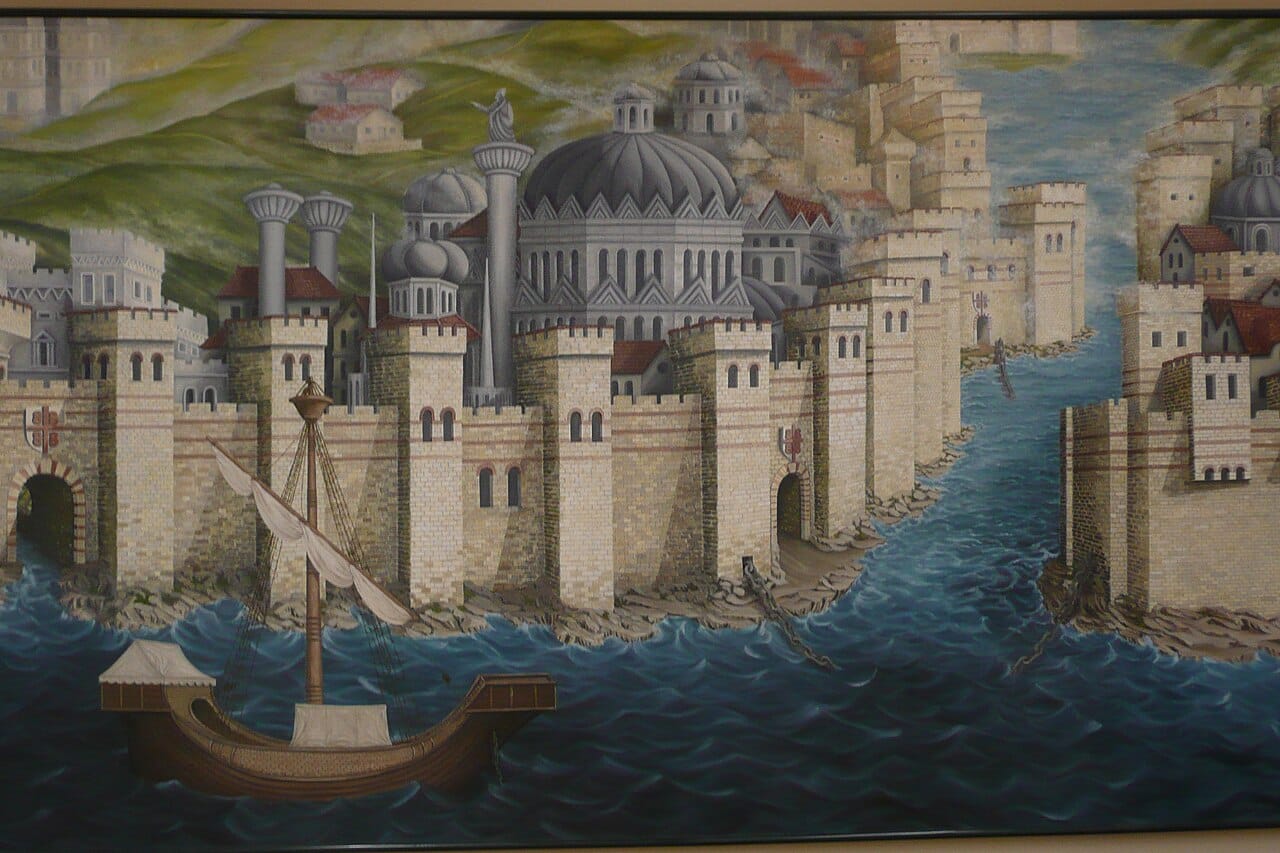
Rome absorbed the tradition as it had absorbed the Greek gods, many of which had entered Roman religious life through its Italic neighbors long before any Roman legion crossed into Greece.
Grimal’s conclusion is precise. Rome did not crush Hellenistic civilization. It preserved and extended it. The philosophers, poets, and artists of the Greek world outlasted the kingdoms that had first supported them.
Roman patronage gave them a broader audience and a longer stage. The rise of Rome, Grimal argues, carried Hellenism further than Alexander ever reached, and the civilization that emerged from that journey belonged equally to both worlds.
See all the latest news from Greece and the world at Greekreporter.com. Contact our newsroom to report an update or send your story, photos and videos. Follow GR on Google News and subscribe here to our daily email!

