



Lab analysis of remains from Karahantepe, a Neolithic site in Turkey, has shed new light on what people ate there roughly 12,000 years ago, with diet patterns pointing to a heavy reliance on gazelle meat and legumes.
Prof. Dr. Necmi Karul, who heads the Tas Tepeler Project and oversees excavations at the site, said the plant-based findings came as a surprise. Researchers had anticipated that grains would account for most plant consumption, but legumes turned out to be a significant dietary staple instead.
Animal remains told a parallel story. Gazelle dominated the meat supply, a pattern that also appeared at nearby Gobeklitepe. Both sites are comparable in age and are considered the oldest known monumental settlements on record. Karul noted a key difference.
At Gobeklitepe, a UNESCO World Heritage Site, animal remains reflected a broader ecological range, drawing from lowland plains and higher mountain terrain alike. Food sources at Karahantepe were more concentrated by comparison.
Gobeklitepe and Karahantepe shared a taste for gazelle
Located about 46 kilometers (28.6 miles) from the city of Sanliurfa in Tek Tek Mountains National Park, Karahantepe covers roughly 12 hectares (29.7 acres).
The site contains more than 250 T-shaped Neolithic pillars with a visual resemblance to those at Gobeklitepe, along with carved animal reliefs and three-dimensional human figurines found across the grounds.

Fieldwork at the site has run for seven years under the Tas Tepeler Project, a multi-site initiative considered one of the most thorough archaeological undertakings in Turkey.
Excavated ground currently totals 6,000 square meters (64,583 square feet), though Karul said deeper unexplored layers remain below the active dig zone. He added that new material surfaces each season, making a completion date difficult to estimate.
Karahantepe diet findings add to Turkey’s Neolithic record
Karul said the age gap between the two sites is not the point. Both reflect a level of architectural and artistic achievement that far surpassed anything produced elsewhere during the same period.
That standard, visible in the stonework, craftsmanship, and symbolic imagery, extended across Anatolia well beyond this early phase.
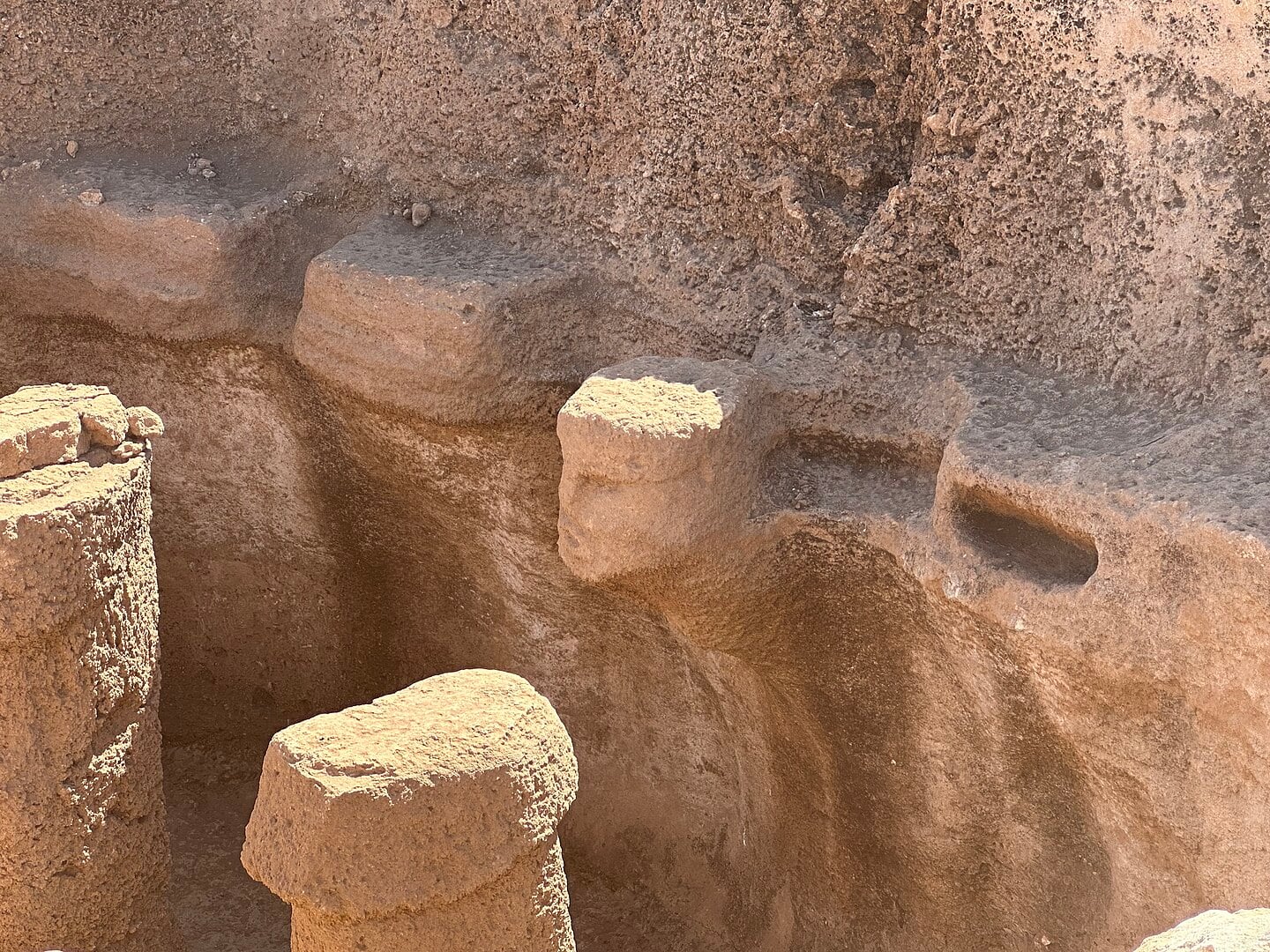
Research has also expanded in scope. A separate ecology initiative is documenting the current landscape and geology of the region to help reconstruct the environmental conditions of the era. The effort also captures traditional practices still present in the area today.
Construction of a protective structure over parts of the site is moving forward as conservation and public access become shared priorities.
See all the latest news from Greece and the world at Greekreporter.com. Contact our newsroom to report an update or send your story, photos and videos. Follow GR on Google News and subscribe here to our daily email!

