



The turbulent relationship between Alexander the Great and his father, Philip II of Macedon, was one of the most complex and layered family dynamics in ancient history. It was characterized by admiration and resentment, competition and collaboration, and ultimately, a legacy that intertwined their names forever. Their bond resembled their contrasting personalities, ambitions, and the political intrigues of the Macedonian court.
Philip II: A transformative leader and his relationship with Alexander
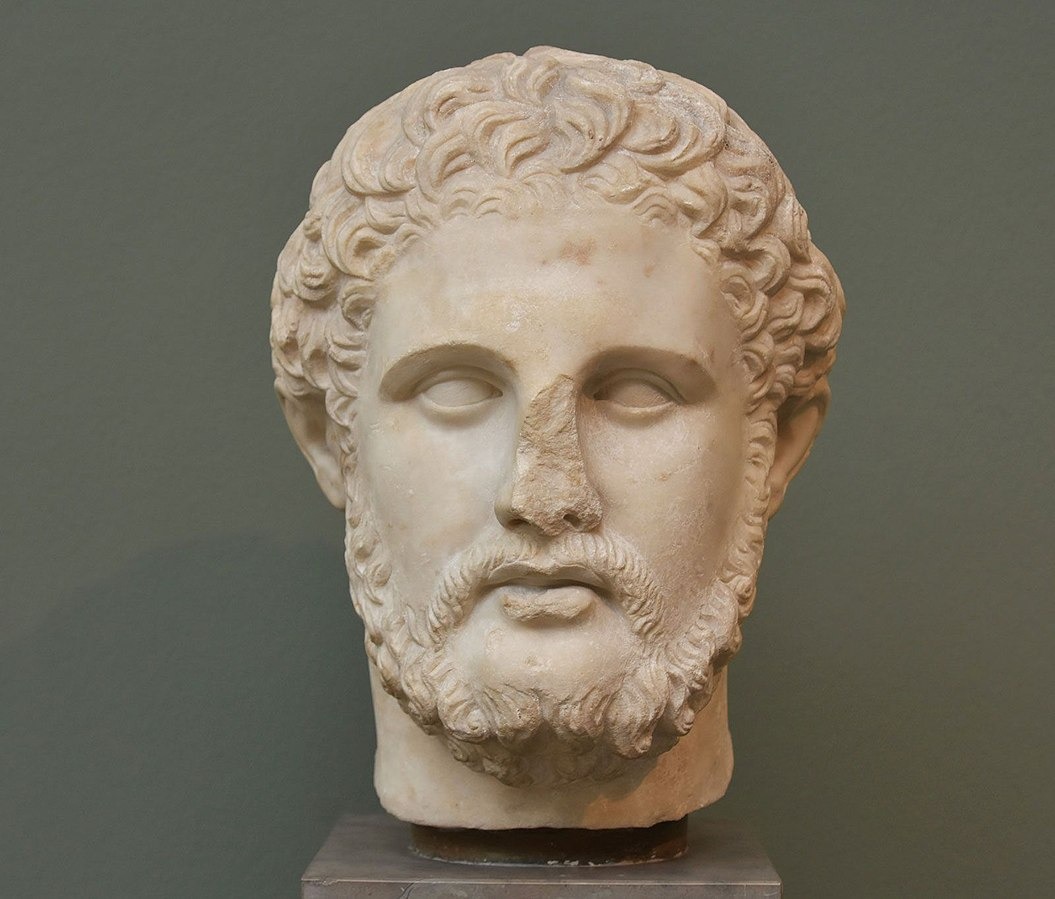
Philip II was a formidable king who transformed Macedonia from a fragile kingdom into a dominant power in Greece. He was a shrewd military strategist, a skilled politician, and a visionary leader. Philip’s military reforms—including the development of the Macedonian phalanx with its sarissas (very long spears)—and his diplomatic maneuvers laid the foundation for Macedonian supremacy. His achievements earned him widespread respect but also cast a long shadow over his son, Alexander.
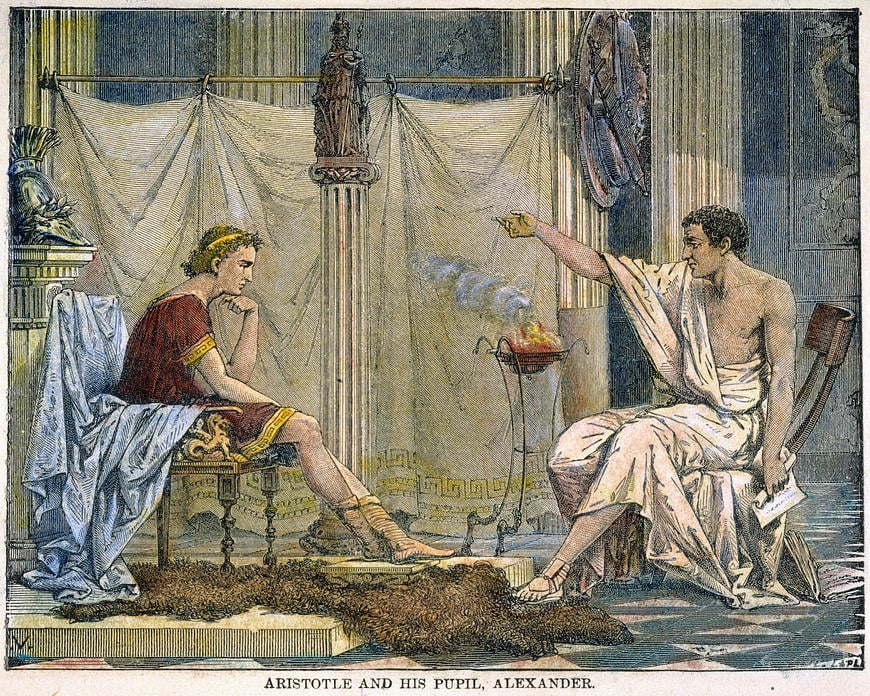
From an early age, Alexander was aware of his father’s towering legacy. According to the ancient Greek biographer Plutarch, Philip ensured that his son received an exceptional education, hiring none other than Aristotle to tutor him. Under Aristotle’s guidance, Alexander developed a love for philosophy, science and literature, alongside his training in warfare and leadership. Despite this, Alexander’s relationship with his father was often strained by jealousy and rivalry.
Tensions in the Macedonian court
The Macedonian court was rife with intrigue and factionalism, which exacerbated the tension between father and son. One major source of friction was Philip’s polygamous marriages. His union with Olympias, Alexander’s mother, produced Alexander, but Philip’s later marriages, particularly to Cleopatra Eurydice, a noble Macedonian woman, caused significant discord. Olympias, a strong-willed and ambitious woman from Epirus, deeply resented being sidelined, and her influence on Alexander fueled his animosity toward Philip.
The marriage to Cleopatra Eurydice threatened Alexander’s position as heir. That’s because any male offspring from this union could claim a more legitimate right to the throne. Plutarch recounts that at Philip’s wedding feast, a drunken argument erupted when Attalus, Cleopatra’s uncle, openly wished for a “lawful heir” to the throne. Alexander, enraged, threw a cup at Attalus, and Philip, equally furious, lunged at his son with a sword but stumbled in his drunkenness. This incident led to Alexander and Olympias briefly fleeing to her native Epirus.
Admiration and rivalry
Despite their clashes, Alexander admired Philip’s military genius and sought to emulate and surpass his father’s achievements. According to the Roman historian Arrian, Philip’s success at the Battle of Chaeronea in 338 BCE demonstrated their ability to work together. There, a young Alexander also played a crucial role commanding the cavalry. However, Alexander’s ambitions extended far beyond Philip’s vision of uniting Greece under Macedonian rule. While Philip dreamed of invading Persia, Alexander envisioned a vast empire that would stretch to the edges of the known world.
The tension between them reached its peak as Philip prepared for his Persian campaign. In 336 BCE, Philip was assassinated by one of his bodyguards, Pausanias. This happened during a grand celebration of Philip’s reign and the marriage of Alexander’s sister. The motives behind the assassination remain unclear, but some ancient sources like the historian Justin—have often implicated Olympias and Alexander. However, there is no definitive evidence to support these claims.
Alexander’s legacy and reflection on Philip
After Philip’s death, Alexander ascended to the throne and swiftly consolidated his power. He wasted no time in realizing the ambition that his father had set in motion: the conquest of Persia. As Alexander’s conquests expanded, he often invoked his father’s legacy, presenting himself as the rightful heir to Philip’s vision. However, Alexander’s empire far exceeded anything Philip had imagined, cementing his place in history as one of the greatest conquerors of all time.
The turbulent relationship between Alexander and Philip was a driving force in Alexander’s life. It shaped his character, sharpened his ambitions, and propelled him to achieve greatness. Their story is a testament to the complexities of familial bonds and the interplay of love, rivalry, and ambition in shaping history.
See all the latest news from Greece and the world at Greekreporter.com. Contact our newsroom to report an update or send your story, photos and videos. Follow GR on Google News and subscribe here to our daily email!

