



Where did the names of the most glorious ancient Greek cities derive from? We have all heard of glorious cities like Argos, Athens, Nauplio, Sparta, Olympia and others. But what is the origin of their names? The roots of these cities are in deep connection with ancient Greek history, mythology, and the development of Greek civilization.
Olympia
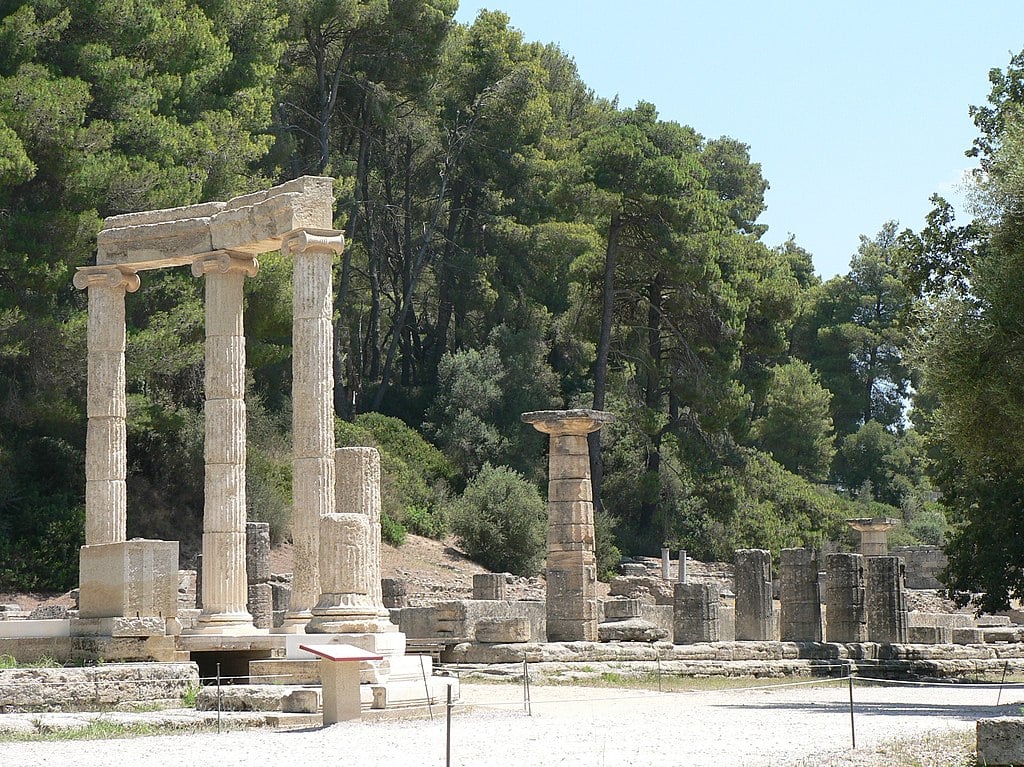
The Greek city of Olympia in Elis, Greece took its name from its association with mount Olympus. The name signifies its deep religious and cultural ties to the Olympian deities, especially Zeus, to whom the sanctuary and its famous temples were dedicated.
Additionally, Olympia is located in the region of Elis in the western Peloponnese, near the confluence of the Alpheus River and the Cladeus River. The name may also have been influenced by the area’s natural beauty, thought to reflect a divine or heavenly quality.
Olympia housed the Sanctuary of Zeus, including the Temple of Zeus and the colossal Statue of Zeus, one of the Seven Wonders of the Ancient World. According to ancient Greek geographer Pausanias, Iphitos the Elean along with Lycurgus the Spartan lawmaker and Cleosthenes of Pisa, reorganised the Olympic Games that Heracles had established in prehistorical/mythological times.
Iphitus had asked the Oracle of Delphi how Greece could get rid of plagues and civil strife. He received the answer that he and the Elians needed to have ”the Olympic games renewed”.
Athens

The name of the ancient Greek city of Athens has a legendary foundation. According to Greek mythology, the mythical hero Theseus who unified the separate settlements in the region founded the city. Tradition associates the name “Athens” with the goddess Athena. Legend says that she gifted the olive tree to the city, symbolizing peace and prosperity.
Over time, Athens grew into a powerful city-state and became known for its contributions to philosophy, democracy and the arts. Archaeological evidence indicates that humans inhabited Athens since the Neolithic period, with significant development during the Bronze Age, particularly in the Mycenaean period (1600–1100 BCE). The city’s true prominence emerged in the 6th and 5th centuries BCE under leaders like Pericles.
Rhodes

Dorian Greeks founded the city of Rhodes and named it after the island itself. In Ancient Greek mythology, Rhodos (or Rhodi) was a nymph and the supreme goddess, embodying the island of Rhodes. She was the wife of the sun god Helios, who created the island.
In Ancient Greek, “Rhodon” also means “rose.” Ancient Rhodian coins often depicted the radiant image of the sun god Helios, and some featured nymph Rhodi herself. Furthermore, the rose bush became a symbol of the island, representing the island’s identity.
The city itself developed into a powerful and wealthy maritime and trading hub. It became famous for the construction of the Colossus of Rhodes, one of the Seven Wonders of the Ancient World. Rhodes’ strategic location at the crossroads of integral sea routes helped establish it as an important city in the ancient Mediterranean world. The city’s history can be traced back to the early Iron Age, but it flourished from around 1000 BCE.
Thera/Santorini

Thera, now known as Santorini, was an important center of the Minoan civilization, part of the Aegean Bronze Age culture. The island was inhabited since the 3rd millennium BCE. The name Thera links to the mythical hero Theras, who was a Spartan regent and a descendant of Cadmus, the legendary founder of Thebes.
According to ancient Greek tradition, Theras led a group of Spartan settlers to the island, which then took his name. Before receiving the name Thera, the island’s name was Kalliste (meaning “the most beautiful”) and Strongyle (meaning “the round one”) due to its shape before the massive volcanic eruption that reshaped it. These earlier names reflect the island’s striking natural beauty and geography.
Furthermore, it became famous for its dramatic volcanic eruption around 1600 BCE, which had far-reaching effects on the ancient world. The eruption destroyed much of the Minoan settlement on the island and may have influenced the collapse of the Minoan civilization itself. The Dorians later colonized Santorini and it became part of the larger Greek world.
Sparta

Sparta’s rich history dates back to deep antiquity, when Lelegas became the first king of the region, which they named Lelegia or Laconia in his honor. His grandson, Eurotas, who arranged the bed of the river (which is why the river bears his name), became king.
Eurotas had a daughter, Sparta. After Eurotas’ death, Sparta’s husband, Lacedaemonius, the son of Taygetes (which is how the neighboring mountain got its name), ascended the throne. It was Lacedaemonius who named the city Sparta, in honor of his wife and queen.
It is uncertain where the city’s name originated, but it may derive from σπάρτον (spárton, “rope” or “cable”), possibly referring to the cords used to mark the city’s foundation boundaries.
Nauplio
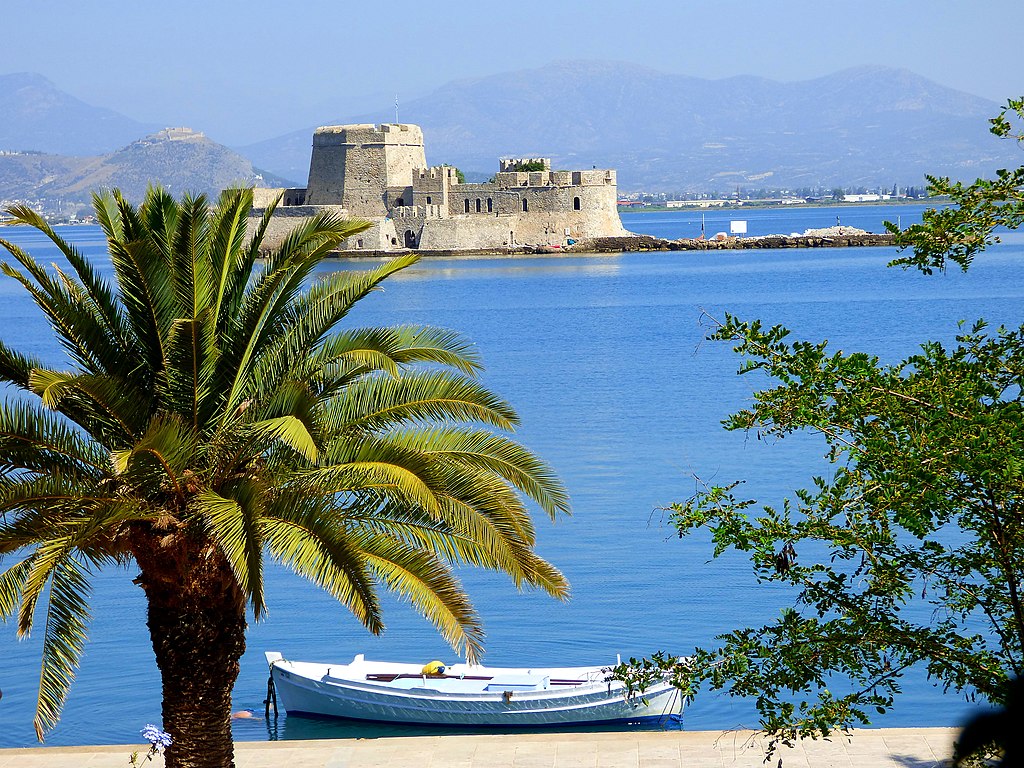
The most popular version holds that the Argolic capital received its name after Nauplius, the son of god Poseidon, who allegedly founded the city. Ancient sources, however, suggest that the toponym “Nauplia” predates the mythical hero and refers to the “good munitions” (related to ships) that they offered to ships (from the ship to the sea).
Trikala
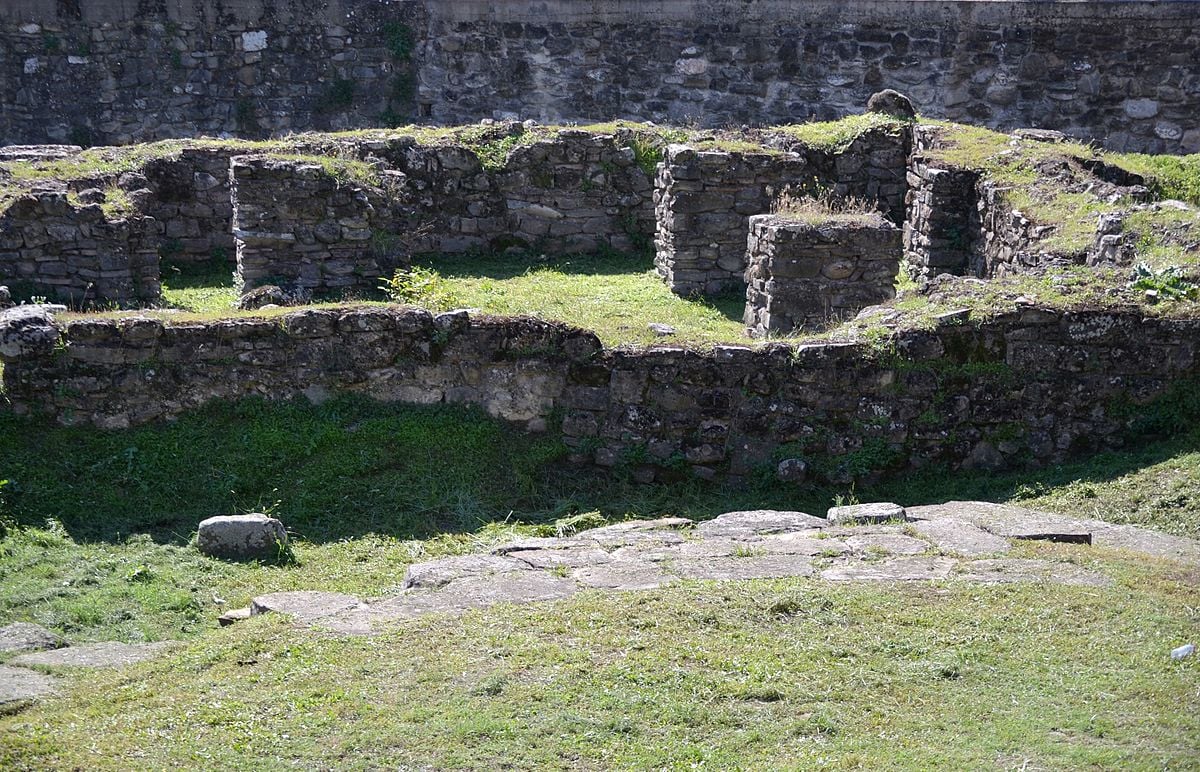
The name Trikala derives from the ancient city of Trikka (or Trikki), founded around the 3rd millennium BC, and is believed to have been named after the nymph Trikki, daughter of the river god Pinioss. The name still endures in the local vernacular, as the municipality is commonly referred to as Trikkaion.
The Trikala region has been inhabited since prehistoric times. Evidence of early permanent settlement has been found in the Theopetra cave, with origins dating to around 49,000 BC. Neolithic settlements, believed to date back to approximately 6,000 BC, have been uncovered in locations such as Megalo Kefalovriso and other nearby areas.
Thebes

The most famous myth associated with Thebes is the story of Cadmus, the legendary founder of the city. According to the myth, the Oracle of Delphi instructed Cadmus, the Greek prince of Phoenicia, to follow a cow and build a city where it lay down. This led to the founding of Thebes. The city was later named after the goddess Thebe, believed to be Cadmus’ wife.
A scholarly explanation suggests that the name of this Greek city may have been derived from the Ionic-Attic term ‘Θήβη’ (Thḗbē), from Mycenaean Greek 𐀳𐀣 (te-qa /Tʰēgʷā/), from Proto-Hellenic *Tʰēgʷā,
The most famous legend of Thebes is the tragic story of Oedipus, who unknowingly killed his father and married his mother, with the consequences of his actions becoming a central theme in the works of Sophocles.
Chios

Chios, located in the Aegean Sea, actively associates itself with the myth of Homer, as traditions claim the legendary poet was born on the island. Some accounts state that the Phaeacians, the mythical people described in the Odyssey, first inhabited Chios.
According to one myth, the island was named after Chios, the son of Poseidon (or Apollo, in some versions), who was said to be the island’s first king. The name is derived from the Greek word χιών (chiōn), meaning ‘snow,’ as he was born during a snowfall.
However, the ancient historian Isidoros suggests that the name “Chios” actually has Phoenician roots, with the meaning “mastic.” This interpretation ties the island’s name to the resin, which has long been associated with Chios and remains a key element of its heritage.
Mytilene-Lesbos
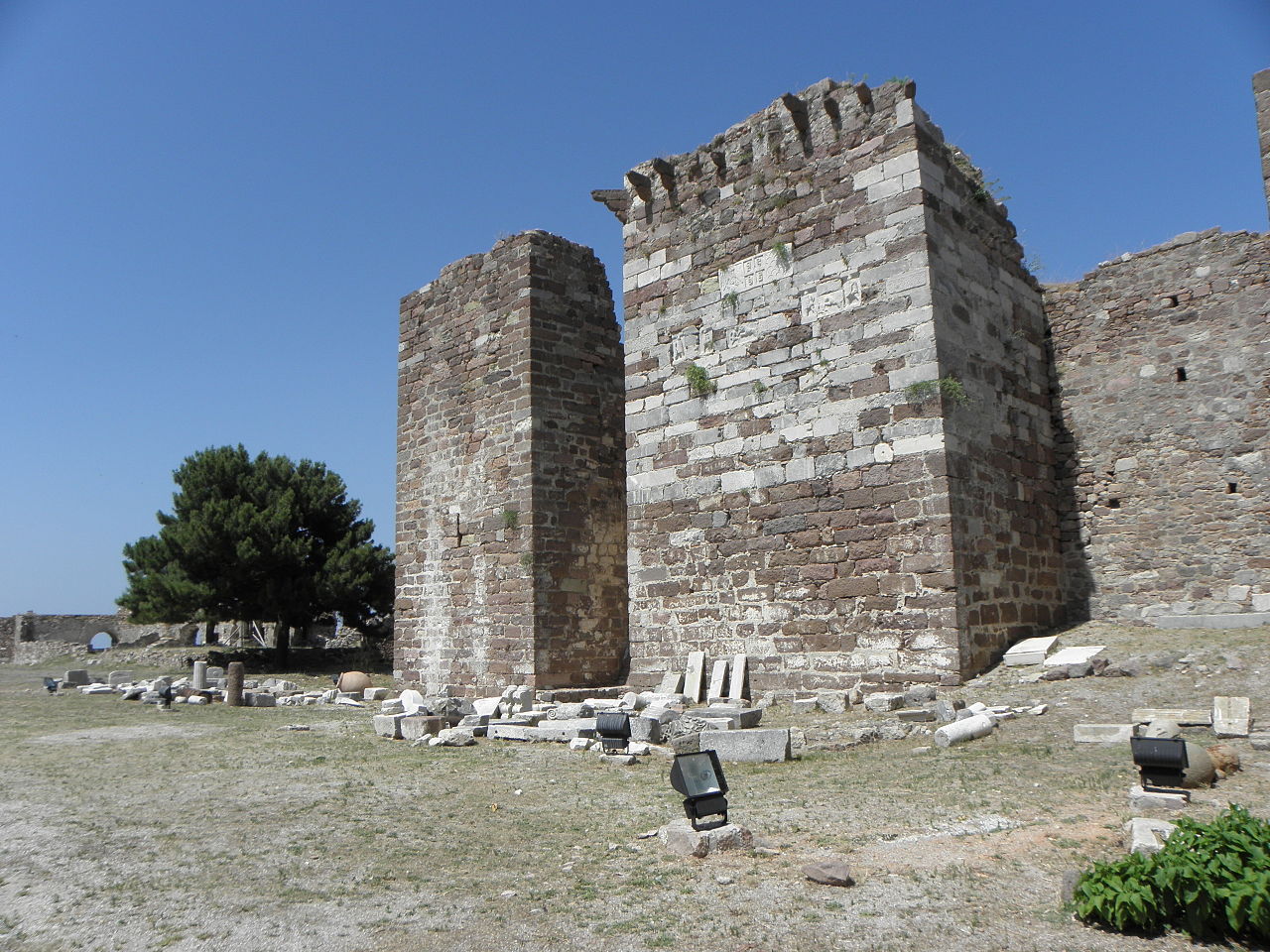
The city of Mytilene, the main city on the island of Lesbos in Greece, is rooted in ancient Greek mythology and history. The city was named after a figure called Mytilene, who was a daughter of Macar (or Makareus), a mythical king of Lesbos.
Lesbos is famously associated with the poet Sappho, who is believed to have been born on the island. Her profound influence on literature and her passionate expressions of love, particularly toward women, have left a lasting cultural mark. It is from Sappho’s legacy that the term “lesbian” is derived.
According to the myth, the island was named after Lesbos, the son of the sea god Poseidon. Lesbos is also the setting for numerous ancient myths involving gods and heroes, including the famous tale of Hero and Leander, which has become a symbol of tragic love.
However, the earliest reference to Lesbos in Greek literature appears in Homer’s poems, where it is described as “well-built.” The etymology of the island’s name is not fully established, but it is often thought to derive from terms signifying “forested” or “wooded,” reflecting the island’s natural environment.
Corfu/Kerkyra
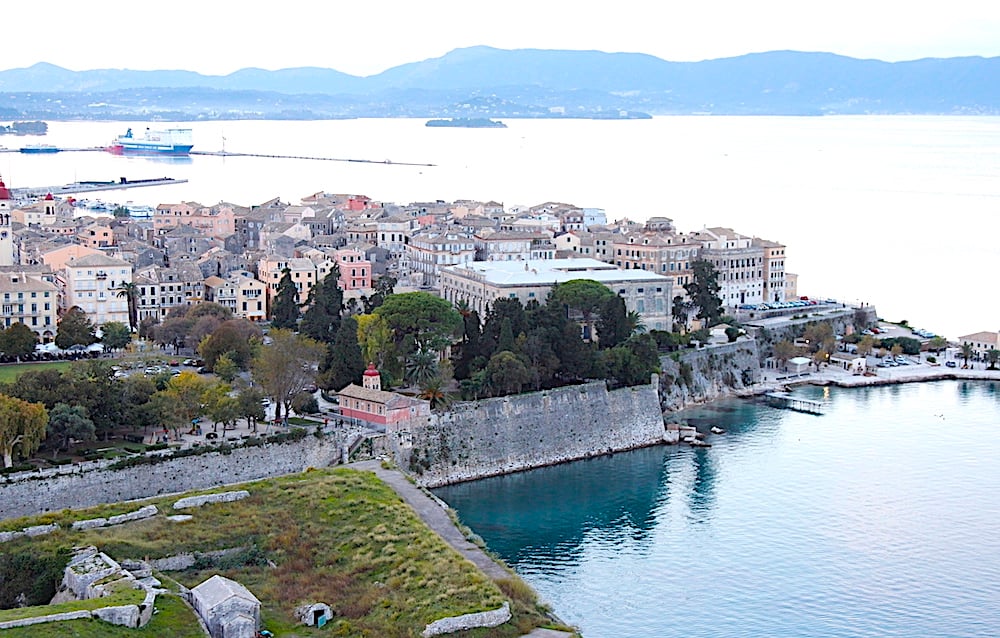
The name Kerkyra derives its name from the mythological figure Corcyra, the daughter of the river god Asopus. According to the myth, Poseidon fell in love with her and abducted her, taking her to the island.
They named the island after her, becoming known as Corcyra in antiquity. Furthermore, the myth is part of the larger group of Greek myths involving divine relationships with mortals, many of which formed the foundation of the island’s legendary history.
The earliest reference to Kerkyra appears in the Mycenaean Greek word ko-ro-ku-ra-i-jo (“man from Kerkyra”), written in the Linear B syllabic script around 1300 BC. Ancient Greek geographer Strabo identifies Corcyra (Κόρκυρα) as the Homeric island of Scheria (Σχερία), home of the Phaeacians (Φαίακες) in the Odyssey.
See all the latest news from Greece and the world at Greekreporter.com. Contact our newsroom to report an update or send your story, photos and videos. Follow GR on Google News and subscribe here to our daily email!

