



Have you ever thought you could pull a cheesecake out of your modern oven that’s as old as the Eastern Roman Empire itself—a dessert so familiar that a Byzantine monk, a merchant in Constantinople, or a court official in silk might recognize at first bite?
Byzantine cheesecake is exactly that—a sweet, custard-soft dessert produced from the kitchens of ancient Rome to the homes of the medieval Mediterranean, born from the same fields, hives, and herds that once fed an empire. Known in Byzantine Greek as plakounta tyroenta, it has quietly survived for more than two thousand years on just five humble ingredients.
From Roman farms to the delicacy of the Byzantine cheesecake
The trail of this cheesecake begins in the Roman countryside. In the 2nd century BC, Cato the Elder made mention of rustic cheesecakes called libum and savillum in his work De Agri Cultura. This ancient dessert, a combination of fresh cheese, flour, eggs, and honey, was then baked under hot covers or bricks. The method was derived from conventional farm ovens and later became the basis upon which Byzantine cooks refined and softened the recipe.
When the Byzantine world inherited these Roman traditions, cooks adjusted them to their own Christian feasting and fasting calendars. They played with the ratio of fresh cheese to honey, lightened the texture, and folded the dessert into religious and seasonal celebrations, especially around Easter when dairy reappeared in their diet after the Lenten fast.
What often surprises people is that the idea of cheesecake is even older than Rome. In Ancient Greece, versions of sweet cheesecakes were served to athletes for energy and to newlyweds as part of traditional wedding celebrations. By the time of Byzantium, cheesecake had become a culinary part of village gatherings, monastic communities, and modest family tables alongside bread and olives.
This wide reach had everything to do with practicality. Sheep and goat herding dominated the empire, making fresh cheeses easy to produce. Honey was abundant and relatively inexpensive, and semolina and wheat flour formed the backbone of daily bread. In conjunction, these ingredients resulted in a dessert that was manageable by just about any household, especially monasteries and rural homes marking Easter and other feast days.
But how do we make the cheesecake in our modern kitchens?
One of the most appealing things about this recipe is how quickly it comes together. Set the oven to about 175°C (roughly 350°F), whisk fresh cheese until smooth before adding eggs, honey, semolina, and salt. Within five minutes, you have a glossy, unified batter.
Pour the mixture into a greased baking dish and slide it into the oven for about 50 to 60 minutes, baking until the edges are set and lightly golden, while the center remains slightly jiggly like a soft custard.
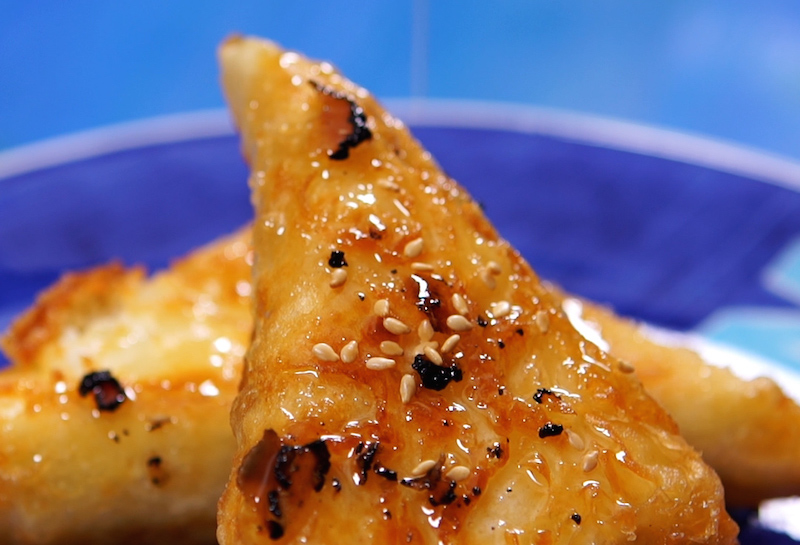
Once done, let it cool for at least fifteen minutes so it can finish setting, and then add a final drizzle of honey. If you like, add a scattering of sesame or poppy seeds for texture and contrast.
As for the best types of cheeses, the options are numerous. Ideally, you want a fresh, mild, unsalted soft cheese—something in the ricotta family rather than anything brined or aged (such as feta or kefalotyri).
Whole-milk ricotta is the most straightforward modern choice and gives you the light, custardy texture that suits this recipe, but traditional Greek options such as fresh mizithra or anthotyro are even closer to what a Byzantine cook might have used.
Plain farmer’s cheese, the fat-free option of creamy quark, or well-drained cottage cheese blended until smooth can also work well, as long as these are not too salty and maintain a gentle, clean dairy flavor.
Here’s an easy-to-follow recipe for Byzantine cheesecake (Plakounta tyroenta):
Ingredients (Serves 6–8)
- 500 g (about 1 pound) fresh mizithra or anthotyro, unsalted
- 3 large eggs
- 120 g (about ⅓ cup + 2 tbsp) honey, plus more for drizzling
- 60 g (about ½ cup) semolina (fine)
- 1 pinch salt
- Optional: sesame seeds or poppy seeds for topping
Instructions
- Prep the oven.
Preheat to 175°C / 350°F. Grease a 9-inch (23 cm) baking dish or pie pan. - Smooth the cheese.
In a large bowl, whisk the mizithra or anthotyro until creamy and lump-free. - Combine ingredients.
Add the eggs, honey, semolina, and salt. Whisk until you have a glossy, unified batter—about 1 minute. - Bake.
Pour the mixture into the prepared dish.
Bake for 50–60 minutes, until the edges are set and lightly golden and the center still trembles softly like a custard. - Cool and finish.
Let the cheesecake rest for at least 15 minutes to finish setting.
Drizzle with honey and sprinkle sesame or poppy seeds on top if desired.
See all the latest news from Greece and the world at Greekreporter.com. Contact our newsroom to report an update or send your story, photos and videos. Follow GR on Google News and subscribe here to our daily email!

