



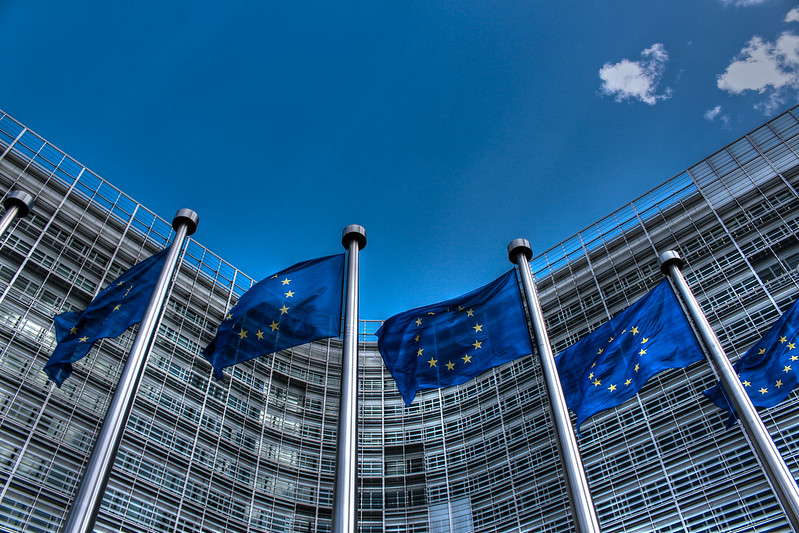
The European Union (EU) has agreed to impose sanctions on violent Israeli settlers and groups linked to extremist activity in the occupied West Bank, ending a years-long political deadlock within the bloc as pressure grows for a tougher response to escalating violence in Palestinian territories.
EU foreign policy chief Kaja Kallas announced the agreement Monday, saying the measures send a clear message that “violence and extremism carry consequences.”
Sanctions on assets and travels
The sanctions are expected to include asset freezes and travel bans targeting Israeli organizations accused of supporting violent settler activity, along with some of their leaders. EU officials have not yet released the full list of individuals and groups affected.
French Foreign Minister Jean-Noël Barrot said the bloc was sanctioning “the main Israeli organisations guilty of supporting the extremist and violent colonisation of the West Bank.”
“These most serious and intolerable acts must cease without delay,” Barrot wrote on social media.
Hungary’s policy shift clears the way
Diplomats said the breakthrough became possible after Hungary’s new pro-European government lifted a veto that had blocked the sanctions package for months under former Prime Minister Viktor Orbán.
🇪🇺 A shift in #EU politics has opened the door to new sanctions on #Israeli settlers accused of violence against #Palestinians, alongside measures targeting #Hamas leadership. #Israel rejects the move, saying it punishes citizens for their views. pic.twitter.com/8NtZ2sUHZW
— FRANCE 24 English (@France24_en) May 12, 2026
The measures are not expected to include Israeli ministers Itamar Ben-Gvir and Bezalel Smotrich. The two far-right politicians were sanctioned by the United Kingdom last year over what British authorities described as repeated incitement of violence against Palestinian communities.
Israeli Foreign Minister Gideon Sa’ar condemned the EU decision, accusing the bloc of acting in “an arbitrary and political manner” against Israeli citizens and organizations “without any basis.”
EU remains divided on tougher measures
Despite the agreement, EU governments remain divided over stronger economic action against Israel. France and Sweden have called for tariffs on products imported from Israeli settlements considered illegal under international law.
Swedish Foreign Minister Maria Malmer Stenergard described tariffs on settlement goods as “the most realistic proposal” currently available within the EU framework.
Under the EU-Israel Association Agreement, settlement products do not qualify for preferential trade treatment, though trade itself is not banned. A complete ban on settlement goods would require unanimous approval from all 27 EU member states, while tariffs could be introduced through a majority vote.
Violence in the region puts pressure on Europe
The sanctions come amid mounting concern over violence in the West Bank and the humanitarian crisis in the Gaza Strip. According to United Nations figures, 230 Palestinians were killed in the West Bank last year by Israeli forces and settlers following the Oct. 7, 2023, attacks by Hamas against Israel.
Last week, 452 former European politicians, diplomats, and officials called for broader sanctions against all individuals and organizations involved in illegal settlement activity, warning that continued expansion threatens the possibility of a future Palestinian state.
See all the latest news from Greece and the world at Greekreporter.com. Contact our newsroom to report an update or send your story, photos and videos. Follow GR on Google News and subscribe here to our daily email!

