



In the rich tapestry of Greek mythology, few stories intertwine divine lineage, human suffering, and heroic ingenuity as seamlessly as the ancient tale of Amphion and Zethus, the builders of Thebes’ walls. These twins, born of Greek god Zeus and Antiope, emerged into a world of treachery and injustice, and their narrative carries themes of vengeance, familial loyalty, and the transformative power of sound, music, and strength—a duality embodied in the brothers themselves.
Birth, upbringing, and the punishment of Dirce
Abandoned at birth, Amphion and Zethus grew under the care of humble shepherds, their true parentage hidden from them. Antiope, their mother, had suffered greatly under the cruelty of Dirce, a queen who despised her and forced her into humiliation. The twins, unaware of their divine lineage, grew strong and clever in pastoral simplicity. Amphion nurtured a love for music, mastering the lyre, while Zethus honed his body into a model of physical prowess. Each cultivated talents that reflected not only their personal disposition but the dual principles that would later define their actions: harmony and power.
The discovery of their parentage marked a turning point. Learning that Dirce had tormented their mother, the twins set a plan of retribution in motion. Greek myths often depict vengeance as a moral imperative intertwined with divine justice, and Amphion and Zethus exemplify this tradition. They captured Dirce and tied her to the horns of a wild bull, fulfilling an act both horrifying and symbolically rich. The bull, a creature of strength and raw energy, mirrored the violence that Dirce had inflicted on Antiope. In this punishment, the twins restored a cosmic sense of balance, reasserting order in a world disrupted by cruelty.
Building the walls of Thebes with the help of music
Beyond vengeance, Amphion and Zethus left a mark that transcended immediate justice: as builders of Thebes’ walls. Their story offers one of the most fascinating intersections of myth and symbolic narrative. Amphion’s lyre, capable of enchanting all who heard it, played a central role. According to legend, he strummed his music, and the stones themselves moved into place, forming perfectly aligned walls. Herein, myth communicates a profound idea: harmony and art possess a generative power that can structure reality itself. Music is not merely entertainment; it becomes a force capable of shaping and sustaining civilization.
Zethus, in contrast, relied on physical might. While Amphion charmed, Zethus lifted, carried, and positioned the stones through sheer force. Their collaboration demonstrates the balance between intellect and strength as well as artistry and labor. Amphion’s lyre and Zethus’ physique were complementary, symbolizing the necessity of combining quite different human faculties to achieve monumental undertakings. The myth conveys that neither pure talent nor raw power alone can produce lasting structures, whether literal or metaphorical. Only their union achieves permanence and resilience—a lesson Ancient Greeks likely understood as both civic and moral.
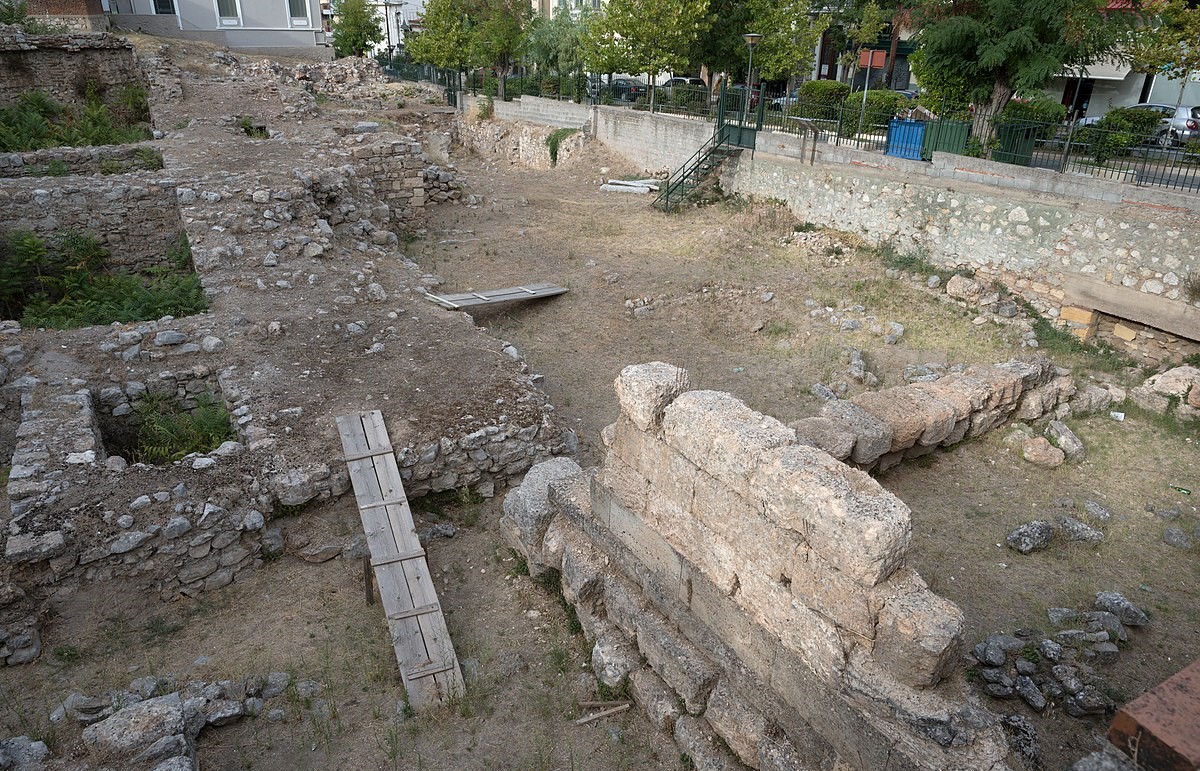
The walls of Thebes themselves stand as a monument to divine-human cooperation, a legacy of justice tempered by creativity and discipline. Amphion and Zethus, through their actions, transform the tragic suffering of their mother into civic achievement. The myth conveys a subtle yet enduring message: great works often arise from human responses to injustice and adversity but only when guided by complementary forces of intellect and labor as well as spirit and strength.
The symbolism behind the twins
The duality of the twins also reflects deeper symbolic structures pervasive in Greek thought. Amphion represents the unifying power of culture, art, and intellect, while Zethus embodies the grounding force of physicality, endurance, and practical action. Together, they illustrate an ancient ideal: the necessity of balance between mind and body, creativity and work, emotion and reason. Their lives and deeds portray a model of holistic human excellence, one that later thinkers would find echoed in philosophies of civic virtue and personal development.
Their story also intersects with the broader narratives of Thebes, a city that repeatedly appears in Greek myths as a site of both human ambition and divine intervention. Amphion and Zethus’ construction of Thebes’ walls is foundational, literally and figuratively due to subsequent legends involving Oedipus, Cadmus, and the Seven Against Thebes. By linking human effort to divine sanction—through their parentage and the enchanted lyre—the myth situates human achievement within a cosmic framework, suggesting that the success of cities relies on a harmonious interplay between mortal ingenuity and transcendent forces.
Moreover, the punishment of Dirce illustrates the ethical dimensions embedded in myth. Justice in Greek narratives often manifests through dramatic acts, yet those acts convey moral instruction. Dirce’s demise is both retributive and emblematic, signaling that cruelty toward the innocent invites consequences proportional to the offense. The use of the bull—a symbol of uncontrollable power and primal energy—ensures that her death is visually and symbolically resonant. The myth thus communicates that justice, though sometimes violent, is inseparable from the natural and social order.

Legacy and symbolism
Amphion and Zethus’ narrative celebrates the interplay between culture, labor, and moral rectitude, teaching that human society thrives when complementary virtues operate in balance. Amphion’s music symbolizes the formative influence of art, culture, and rationality, while Zethus’ strength represents the essential role of action, perseverance, and practical engagement with the world. Their combined efforts underscore the necessity of integrating diverse human capacities to create and sustain civilization.
The myth has inspired countless interpretations over the centuries. Through Amphion and Zethus, the builders of Thebes’ walls, myth conveys a timeless truth. Society flourishes when art and labor, intellect and strength, and justice and ingenuity operate in concert.
The construction of Thebes’ walls and the punishment of Dirce serve as enduring symbols of these principles. They remind modern audiences that mythology often encodes lessons about ethics, civic responsibility, and the integration of diverse human abilities. Amphion and Zethus remain emblematic figures in Greek mythology. They represent both the human response to injustice and the harmonizing power of combined talents.
Their story bridges vengeance and creativity as well as art and labor. It demonstrates that greatness arises not solely from divine lineage but from the alignment of human faculties with moral purpose. As builders of Thebes’ walls and avengers of their mother, they exemplify a profound truth. Enduring achievements emerge from the careful balance of intellect, strength, and ethical awareness.
See all the latest news from Greece and the world at Greekreporter.com. Contact our newsroom to report an update or send your story, photos and videos. Follow GR on Google News and subscribe here to our daily email!

