



It’s 533 AD and the Roman Empire is a shadow of its former self. The Western half collapsed decades ago, leaving only the Eastern remnant clinging to Constantinople. Most sensible people would have written Rome off as ancient history, but Emperor Justinian wasn’t most people. He was a dreamer who dared to dream big and had impossible ambitions, as well as, fortunately for him, a brilliant general named Belisarius.
The Vandal Campaign: A masterpiece of Byzantine efficiency
When historians speak of military genius, they usually point to Alexander the Great or Caesar, but Belisarius deserves a seat at that table as well, as he was indeed a genius. His reconquest of North Africa from the Vandals reads like something out of a strategy game played by gamers on a PC—except it was real life and the stakes couldn’t have been higher.
The numbers alone are representative of his genius.
Belisarius landed in Africa with roughly fifteen thousand men to take on an entire kingdom. That’s not a number capable enough of giving the Romans the right to say they were a conquering army; it was barely enough to garrison a decent-sized city. Yet within months, he and his brave soldiers had shattered Vandal strategies so completely that their king was paraded through Constantinople as a prisoner.
The Vandals had controlled North Africa for nearly a century and had built up their fortifications. They were intimately familiar with the terrain. However, none of it mattered. What made this massive difference was that Belisarius understood something many generals tend to miss: wars aren’t won by superior numbers or equipment. Of course, those do help, but what matters most is something else entirely: a combination of speed, the element of surprise, and catching the enemy off guard makes all the difference.
This is why Belisarius moved quickly, struck hard, and never gave the Vandals time to organize a proper response. By the time they had figured out what was happening, their whole ordeal was already over and done with.

If Africa was seen as Belisarius’ best, Italy was where he met his match. This did not come from the Goths but from his own government. The Gothic War dragged on for years. This was a challenging period that tested everyone’s limits. Belisarius did manage to prove over and over again that he could win battles, but winning wars sometimes requires more than strategy and tactics. It requires resources, reinforcements, and political support. Constantinople didn’t provide any of that.
Imagine the situation. You are leading an army that is desperately trying to reconquer an entire peninsula from warriors who’ve been living there for generations. Every city you take needs to be garrisoned. Every victory results in new supply lines to defend. At the same time, your own emperor is not the most generous person in the world in terms of funding. Justinian wanted Italy back, but he wanted it without spending much money for an extended period of time. Unfortunately, that’s not how conquest works.
Hence, the defense of Rome is known as Belisarius’ best moment. Outnumbered, undersupplied, and in confrontation with a seriously brutal Gothic siege, he managed to hold the eternal city through sheer force, strategic will, and innovative tactical methods. Nonetheless, even this triumph came with a huge financial toll. Every month of fighting drained Byzantine resources, and these were never fully replaced.

Belisarius’ unnecessary demise
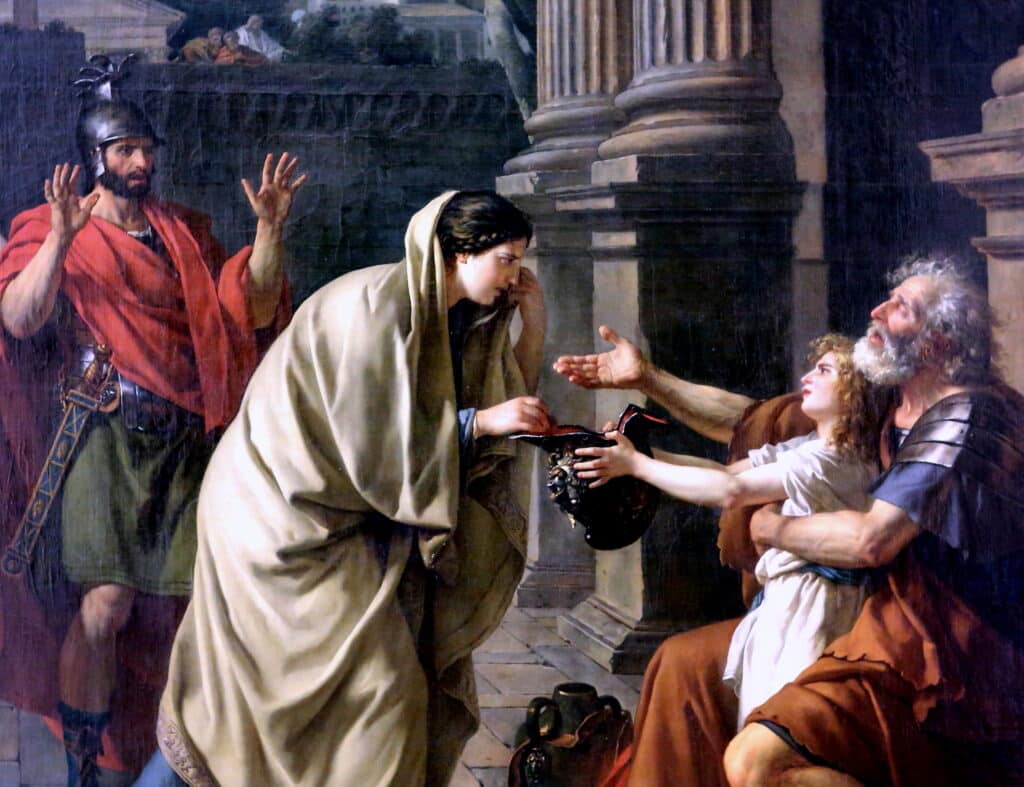
What makes Belisarius’ story particularly tragic is that his loyalty to his country never diminished, but he wasn’t compensated for it either. Despite years of service and victories that expanded the empire’s borders, he fell victim to the usual Roman / Byzantine court political drama and intrigue in his later years.
Accusations of treason—which were completely unfounded—led to his official disgrace and the loss of his personal status and wealth. The man who had restored Roman power in Africa and Italy ended up stripped of honors by the very emperor he had so faithfully served. It’s not exactly uncommon for an elite Roman political drama…
As we now know, this evolved into a pattern throughout history. Great generals become political liabilities precisely because they’re great, exposing the primitive fears of the emperors they serve. Their achievements make them potential threats to paranoid rulers or jealous courtiers, who only end up seeing enemies everywhere. Belisarius learned this lesson the hard way, as well, though he handled his fall from grace with greater dignity than most would have managed.

Belisarius: Betrayal and reconciliation
Belisarius’ victories were now long gone
The Byzantine Empire (also known as the Eastern Roman Empire) saw glory and renewal under Justinian, but this was short-lived and brief. Within a generation of Belisarius’ death, much of what he had conquered in Italy and Africa was lost once again. The Italian peninsula fell to the Lombards, and the dream of restoring the old Roman Empire faded into memory. Was Belisarius’ successes all for nothing?
Actually, that’s not exactly the case. Belisarius proved that even at a time of significant decline, proper leadership could achieve seemingly impossible things. His campaigns bought the Byzantine Empire time and prestige when both were in short supply prior to his own lifetime. More importantly, they demonstrated principles that remain important regardless of the historical period. The importance of morale and logistics within an army and the reality that political support matters as much as military skill are vital.
Modern military academies still study Belisarius’ campaigns. His ability to do more with less, adapt to changing circumstances, and maintain focus under pressure made him a military legend, who, unfortunately, fell from grace despite his extraordinary achievements and for all the right reasons.
Related: Belisarius: The General Who Expanded Byzantine Empire to Its Greatest Extent
See all the latest news from Greece and the world at Greekreporter.com. Contact our newsroom to report an update or send your story, photos and videos. Follow GR on Google News and subscribe here to our daily email!

