



Among the many thinkers who sought to systematize the interpretation of dreams, one name stands out: Artemidorus of Daldis. Late antiquity, a time of great spiritual ferment and philosophical reflection, was deeply invested in understanding dreams. In the ancient world, dreams were not seen as fleeting illusions, but as profound messages carrying warnings, promises, or guidance from the divine realm.
Artemidorus and his Oneirocritica
Artemidorus, a Greek of Daldis in Asia Minor (modern-day Turkey), lived during the 2nd century AD. His seminal work bears the name the Oneirocritica meaning The Interpretation of Dreams. It is the most complete and influential dream manual that survives from the ancient world. Unlike earlier interpreters who often relied solely on religious revelation or arbitrary symbolism, Artemidorus attempted a methodical and empirical approach. He gathered thousands of dreams and their real-life outcomes, categorizing them according to detailed criteria such as the dreamer’s social class, gender, occupation and health.
This systematic treatment made the Oneirocritica unique: Artemidorus saw dream interpretation as a technical skill—a techne—that could be learned, refined and applied practically, rather than a mystical gift bestowed by the gods.
Artemidorus provided a rich etymological interpretation of the Greek word “oneiros,” distinguishing it from “enypnion,” which referred to ordinary dreams shaped by daily emotions or physical conditions. According to him, “oneiros” carried a deeper, prophetic significance. He wrote that it derives etymologically from “to say the being” (εἴρειν τὸ ὄν), meaning the dream tells what is—it reveals a hidden truth or an event already present in the flow of time, destined to unfold.
He suggested that an oneiros agitates or stimulates the soul, prompting it to act and reshape it according to what is revealed. Furthermore, he associated it with the figure of Iros, the beggar-messenger from Homer’s Odyssey. He portrayed the dream as a divine messenger that delivers crucial messages to the dreamer. Through this tripartite etymology, Artemidorus presented the oneiros as a powerful force capable of revealing the future, moving the soul and serving as an intermediary between the divine and human realms.
Dreams between fate and free will
During late antiquity, a broader philosophical shift occurred: thinkers began questioning the absolute predictiveness of dreams. Figures like the philosopher and bishop Synesius of Cyrene argued that dreams were not ironclad predictions of destiny. Instead they were reflections and guides to help people better endure what was to come. Similarly, the Greek novelist Achilles Tatius described dreams as tools preparing the soul for adversity, rather than instruments for altering fate.
Artemidorus mirrors this evolving perspective. While he certainly believed dreams could foretell the future, he emphasized interpretation grounded in context. He was reading dreams as part of a larger web of human experience, not as isolated supernatural prophecies.
Artemidorus distinguishes between two types of nocturnal visions. First, there are dreams (“enypnia”), which reflect the dreamer’s current emotional or physical state. Examples include dreaming of eating when hungry or vomiting when overfed. These dreams have a diagnostic value, expressing bodily imbalances or emotional desires and fears. In contrast, oneiroi are prophetic dreams. Artemidorus connects them through three etymologies: they express (“say”) future events already unfolding, they “stir” the soul to action, and they link to the messenger figure Iros, who carried important missives.
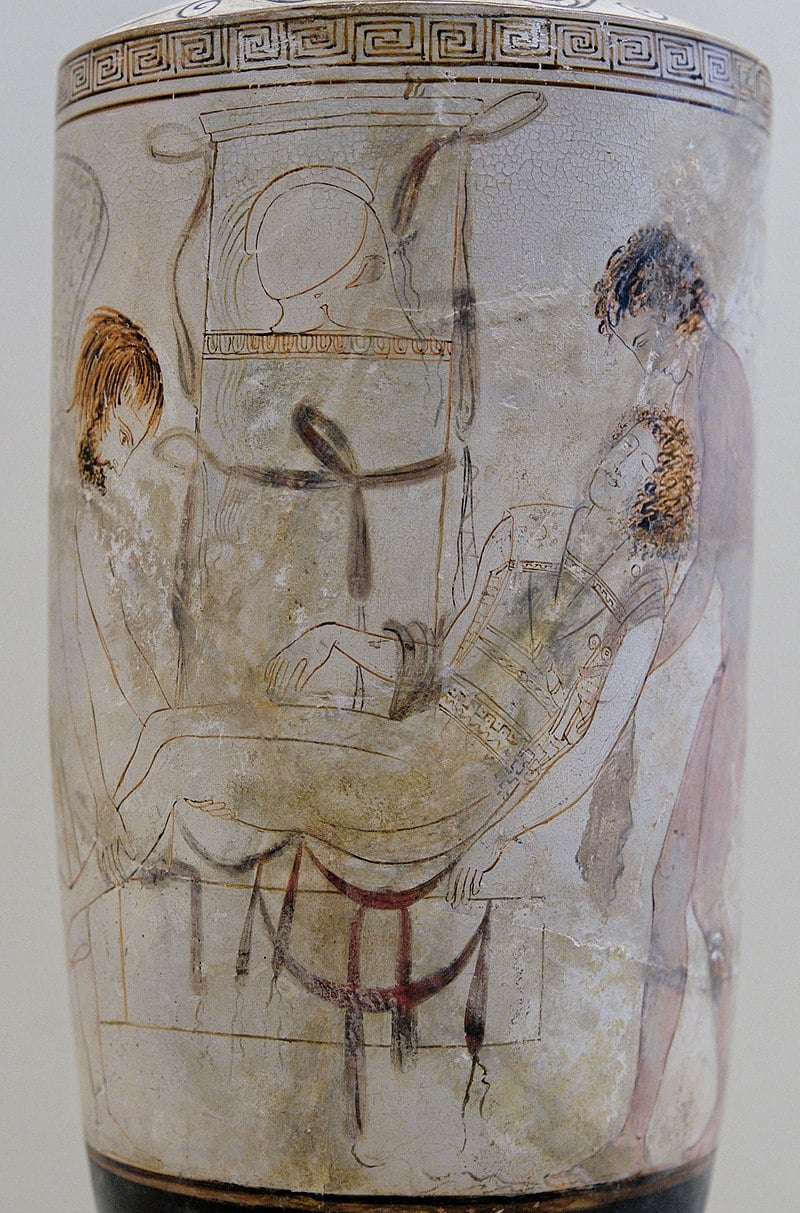
Oneirocritica: A glimpse into everyday ancient life
Beyond its role as a dream manual, the Oneirocritica offers historians an incredible window into daily life in the ancient Greco-Roman world. Through Artemidorus’s examples—fishermen dreaming of nets, slaves dreaming of freedom, merchants dreaming of shipwrecks—we glimpse the anxieties, hopes and cultural values of people from all walks of life.
His meticulous attention to detail reveals a deeply stratified society where dreams meant different things depending on one’s station. A dream about flying, for example, could symbolize ambition for a noble. However it might predict instability for a commoner.
Artemidorus also interprets many sexual dreams in surprising detail. He emphasizes that the context and social status of the dreamer matters. For example, dreaming of having sex with one’s mother could be positive—not incestuous—if interpreted symbolically as returning to one’s origins or gaining power in the household. However, in other contexts it could indicate shame or dishonor.
Artemidorus adds:
”If a man dreams he is having intercourse with a woman he does not know, if she is pretty and graceful, is attired in soft and expensive clothes and gold necklaces, and gives herself willingly, it bodes good for the dreamer and points to considerable success, but if she is an ugly, shapeless, shabbily dressed old woman dragging out a life of pain, and she does not give herself willingly, it signifies the opposite; we must interpret unknown women as symbols of happenings that will befall the dreamer.”
Also according to Artemidorus, if a poor person dreams of being naked in public, it might mean freedom from burdens or debts. But for a rich person or official, it suggests public disgrace loss of office.
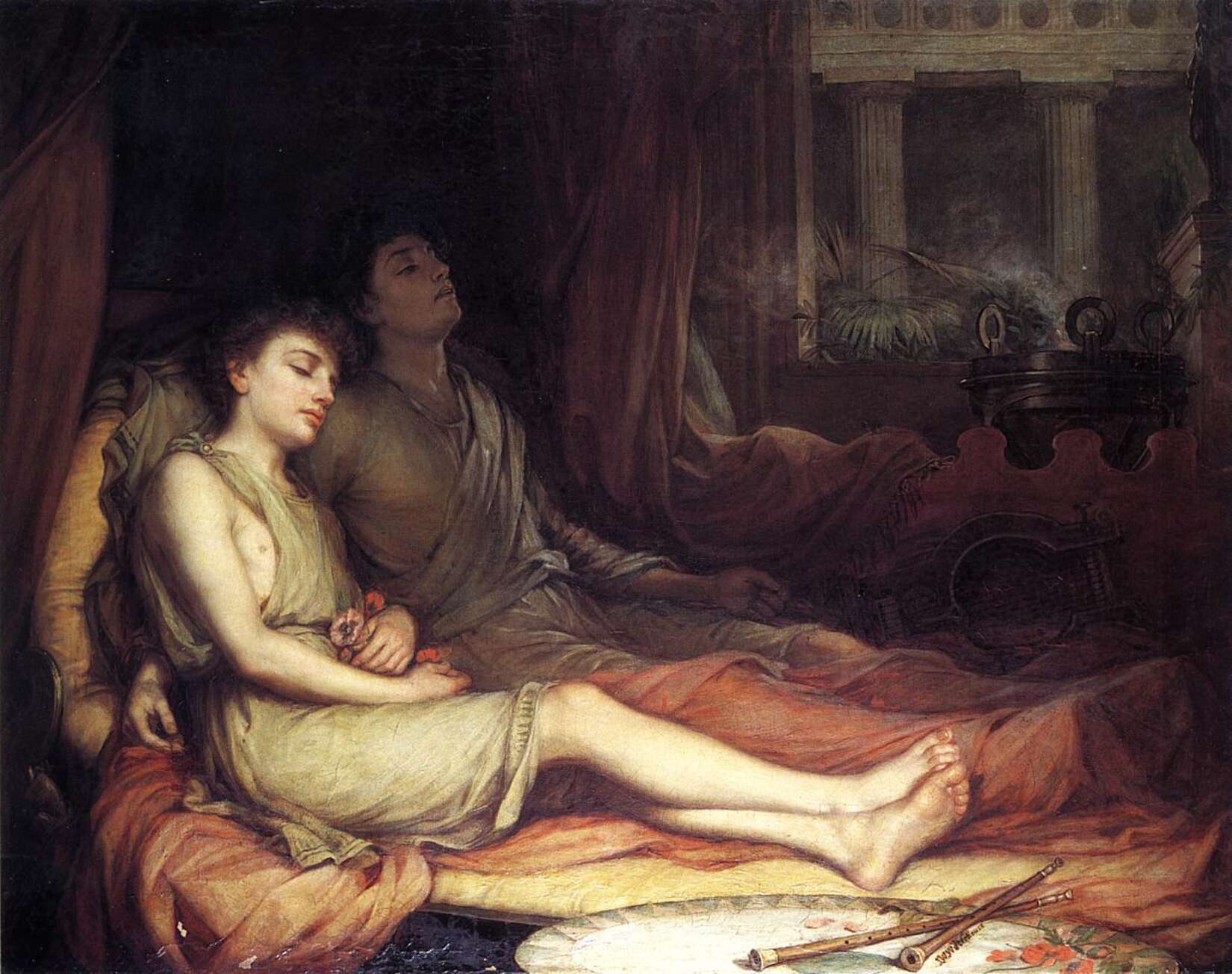
Legacy and influence
Though Christianity would later downplay the significance of pagan dream books, Artemidorus’s influence lingered subtly. His rational method inspired later medieval and Byzantine thought. Some of his interpretations seeped into folk traditions and psychological theories of dreams.
In the 19th and 20th centuries, figures in psychology like Freud and Jung reawakened interest in the psychology of dreams. At that time, scholars once again turned to Artemidorus. They recognized in his work an early effort to understand the human mind through its nightly visions.
See all the latest news from Greece and the world at Greekreporter.com. Contact our newsroom to report an update or send your story, photos and videos. Follow GR on Google News and subscribe here to our daily email!

