



A study examining the roots of gender inequality in the ancient world finds that Plato challenged the exclusion of women from education and public office, while Aristotle defended male authority as part of the natural order. The contrast, researchers say, shows that ancient thinkers did not share a single view of women’s abilities or place in society.
The research was conducted by Bosede Adefiola Adebowale and Oluwatobiloba Hellen Adegbite of the University of Ibadan in Nigeria. Published in the International Research Journal of Sociology, Psychology and Anthropology, it examines Greek philosophy alongside evidence from Mesopotamia and Egypt to explain how differences between the sexes became grounds for unequal treatment.
In “Republic,” Plato argued that women with suitable abilities could receive the same education as male guardians and take part in military service and government. Yet his other writings described women as weaker, and the study warns against treating him as a modern feminist.
How Plato and Aristotle approached gender inequality
Aristotle, by contrast, maintained in “Politics” that men were naturally fit to lead. He wrote that “the male is by nature superior, and the female inferior.” Although he recognized that women could reason and exercise judgment, he argued that their ability to deliberate lacked authority. That distinction helped justify keeping women outside political leadership, the study says.
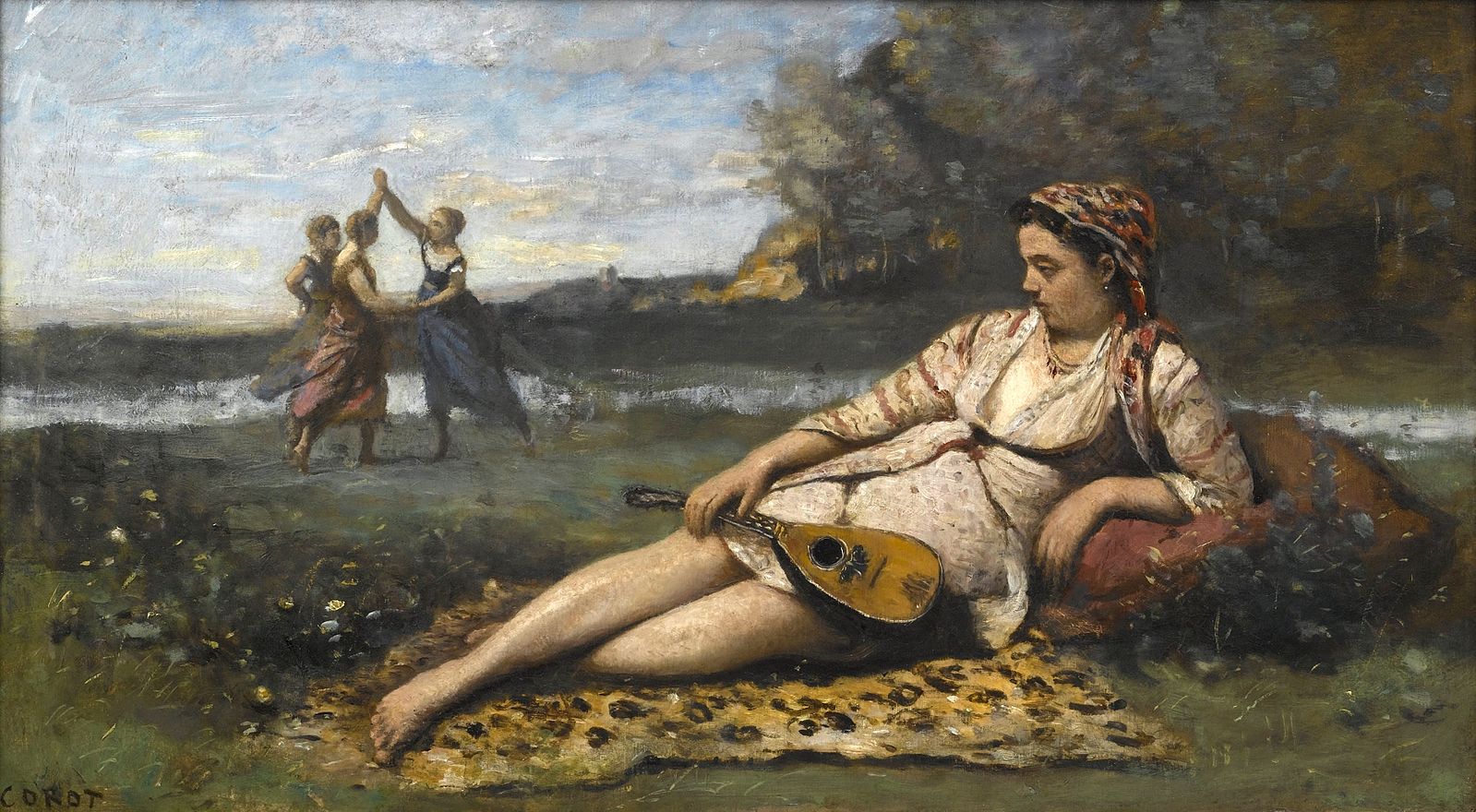
The split shows how arguments about nature could defend existing social arrangements, the researchers say. Plato separated physical differences from the ability to perform public duties. Aristotle treated distinctions between the sexes as reasons for unequal power in families and politics. Neither position, the authors say, can be reduced to a simple modern label.
The study shows how recognized differences gained social meaning and became institutional rules. The authors describe six connected stages, from recognizing biological differences and classifying people to presenting inequality as natural, establishing hierarchy and passing it down through law and culture.
Ancient laws show inequality was not universal
Mesopotamian laws regulated marriage, divorce, inheritance, and women’s property, though legal rights varied by time and status. In Egypt, women could own and transfer property, enter contracts, inherit, and bring legal claims. These rights fell short of modern equality, and men dominated positions of authority.
Greek city-states also differed. Women in Athens were largely excluded from political participation, while Spartan women enjoyed greater access to property and education but remained outside formal politics. Greek literature offered competing portrayals as well, from Pandora’s association with suffering to Penelope’s intelligence and Antigone’s defiance.
The researchers conclude that discrimination did not begin at a single moment. It developed when societies turned differences between women and men into justifications for unequal rights and authority.
See all the latest news from Greece and the world at Greekreporter.com. Contact our newsroom to report an update or send your story, photos and videos. Follow GR on Google News and subscribe here to our daily email!

