



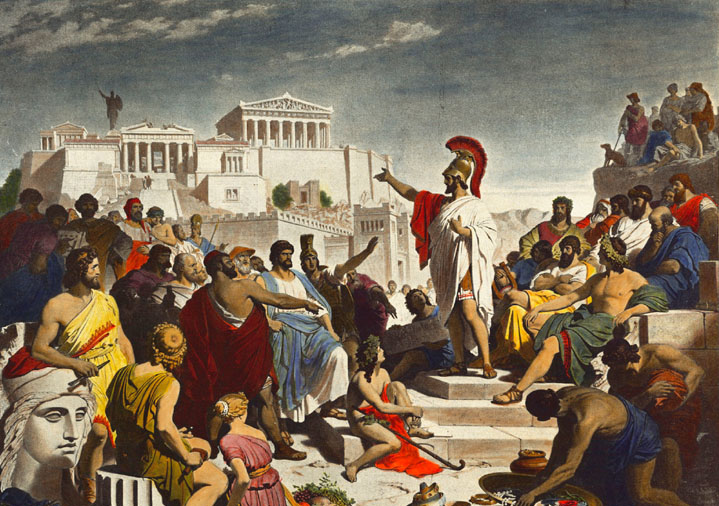
The Acropolis’ Parthenon stands as an architectural marvel and a testament to ancient Greek brilliance. One of the main elements contributing to its enduring beauty is the intentional optical illusions designed by its architects, creating the illusion of perfection in its structure.
The Parthenon sits on top of the hill of the Acropolis in Athens as the perfect crown to one of the most important remnants of ancient Greece. Even today, the impressive structure looks flawless to the human eye. Though it may look like it, the building has no right angles. Instead, nearly every part of the structure features intentional curvatures that make it appear perfect when viewed from the angle of a spectator.
The optical illusions of the Parthenon

The Parthenon’s architects, Ictinus and Callicrates and the sculptor Phidias, were masters at their craft. To make Athens’ definitive temple worthy of its patron goddess, they included exact curves throughout the temple’s columns, stairs, and facade based on the mathematical principle of the golden ratio.
The golden ratio is based on Phi, when the ratio of two numbers equals 1.618. When this requirement is met, the result is aesthetically pleasing to the human eye. Architecture and photography still use the golden ratio to capture the eye.
The Parthenon’s optical illusions begin with its columns. The widths from column to column all meet the golden ratio requirement from the imaginary center line that divides them. Furthermore, the measurements from the base of the columns to the top of the horizontal beam that rests above them create a ratio that is exactly Phi cubed, or 4.236.
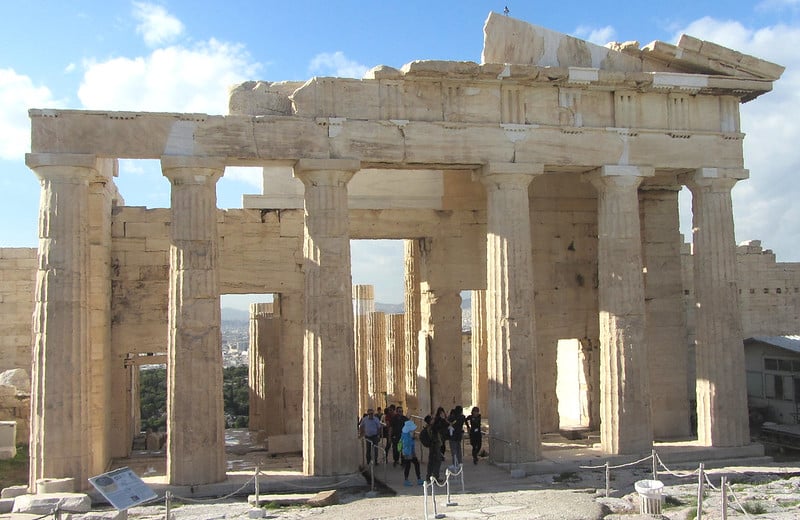
Each column is inflated in the middle and thinner in its base and top diameter. This solves the problem that beams with straight sides tend to look slimmer to the human eye. In other words, the curves in the columns make them look wider and more imposing.
Then, there is the horizontal structural beam and everything else that rests on top of the columns. Everything, from the structural beam to the beautiful pediment that sits above it, is slightly arched.
The staircases are also not as straight and angular as they appear. The staircases leading up to the temple’s entrances are sloped downward. This effect has more function than just contributing to the optical illusions of the Parthenon. The slight downward slope of the stairs also helps to manage rainwater by making it flow out of the temple.
The precedent for the illusion
The first example of ancient Greek architects using the golden ratio and intentional curvature is on the island of Naxos. The temple of Demeter, the goddess of agriculture, uses the same optical illusion techniques as the Parthenon in Athens.

Both buildings are a testament to the incredible skill and knowledge the ancient Greeks possessed. Their incredible aptitude for mathematics and architecture still fascinates people to this day.
See all the latest news from Greece and the world at Greekreporter.com. Contact our newsroom to report an update or send your story, photos and videos. Follow GR on Google News and subscribe here to our daily email!

