



An ancient shipwreck off the coast of Israel has revealed a rare cargo of raw iron from about 2,600 years ago, offering a new look at how iron moved through the eastern Mediterranean in the Iron Age. The find, recovered from the Dor Lagoon, suggests this iron cargo was shipped in rough, unworked blocks rather than being shaped first into bars or tools, according to a study published in “npj Heritage Science.”
Lead author Tzilla Eshel of the University of Haifa and other researchers said the discovery challenges a long-held view of early iron trade.
Until now, scholars largely thought iron was usually hammered and refined soon after smelting, then transported as more finished material. The Dor finds a point in another system. In this case, raw iron appears to have traveled by sea in its original smelted form.
Dating the Dor Cargo to a narrow ancient window
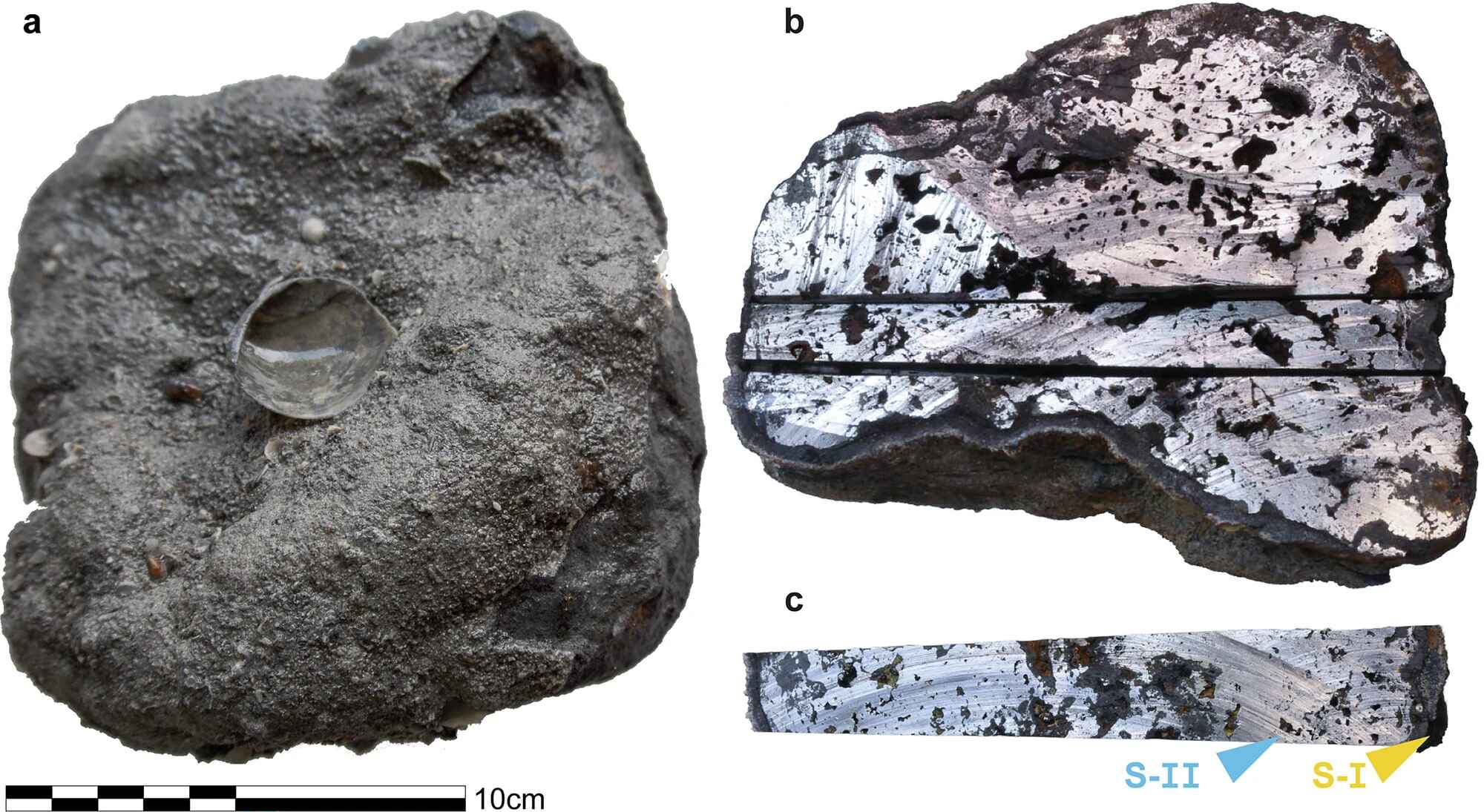
The cargo came from a shipwreck known as Dor L, found in shallow water south of Tel Dor. Excavators uncovered nine heavy iron blooms, each weighing about 5 to 10 kilograms (11 to 22 pounds). They were found alongside amphorae, ballast stones, and a composite anchor made of lead and wood.
Researchers dated the cargo to the late seventh to early sixth centuries BC. They used radiocarbon modeling based on several short-lived samples, including a small charred oak twig trapped inside one of the iron masses. The dating places the wreck before the Persian period and points instead to a time of shifting power in the region.
Earliest iron blooms discovered off the Carmel coast revise Mediterranean trade in raw metal ca. 600 BCE pic.twitter.com/AZ2YX6ikEK
— Tom Marvolo Riddle (@tom_riddle2025) April 1, 2026
The iron itself makes the discovery stand out. Researchers said these blooms are the earliest securely dated group of industrial raw iron products found so far. More importantly, they survived in an unusually intact state.
Tests showed the blooms still carried slag, a glassy waste material created during smelting. That outer layer appears to have protected the iron from severe corrosion underwater for centuries.
Researchers said this may explain why the metal remained so well preserved. It also suggests the slag was not simply leftover waste. It may have helped make the blooms fit for transport.
Why the raw blooms matter for ancient ironworking
The study said the blooms were never forged after smelting. Their pores and internal structure showed no signs of hammering or later shaping. That matters because it means the iron was shipped before the first major stage of smithing.
The finding could reshape how historians view ironworking in the southern Levant. Researchers said cities may have focused more on smithing, where raw iron was refined and turned into tools, while smelting happened elsewhere. That would help explain why urban sites often show limited evidence of large-scale smelting.
The shipwreck also points to a broader trade system. The blooms were found with amphorae linked to eastern Mediterranean exchange, suggesting raw iron moved alongside other goods by sea.
Researchers said the Dor cargo offers the earliest direct archaeological evidence of maritime trade in raw iron. In doing so, it opens a new chapter in the story of ancient industry, trade, and technology.
See all the latest news from Greece and the world at Greekreporter.com. Contact our newsroom to report an update or send your story, photos and videos. Follow GR on Google News and subscribe here to our daily email!

