



Ancient Greek cuisine featured a diverse array of sweets and desserts, showcasing the civilization’s appreciation for flavor, natural ingredients, and culinary artistry. Unlike modern confections that often rely on refined sugar, Greeks used natural sweeteners such as honey and dried fruits.
Desserts were simple yet elegant, carefully balancing taste, texture, and aroma. Ranging from cakes and pastries to honey-soaked delicacies, these sweets played a central role in social gatherings, religious rituals, and festive celebrations.
Honey: The heart of Ancient Greek sweetness
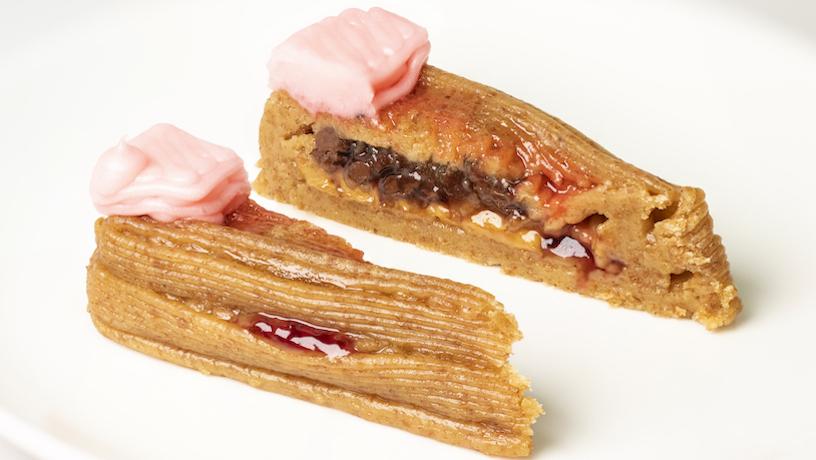
Honey was the primary sweetener in Ancient Greece, providing a rich, floral flavor long before sugar appeared during the Hellenistic period. Greeks incorporated honey into countless recipes, including plakous, a type of honey cake often flavored with nuts or spices. The texture of plakous varied, ranging from dense and moist to crumbly and delicate.
Soft pastries were also soaked in honey syrup. These treats combined flour, olive oil, and honey, and were often enhanced with ground nuts such as walnuts or almonds. The blend of sweetness, nuttiness, and aromatic spices made them perfect for celebrations. Honey’s natural preservative properties extended the shelf life of these desserts, making them suitable for festivals and offerings to the gods.
Nuts, cheese, and fruits: Layers of flavor
Nuts were a central element in Greek desserts. Almonds, walnuts, and pistachios added crunch, flavor, and nutritional value, often crushed or chopped and incorporated into cakes, pastries, and honey-based treats. Almonds, prized for their delicate aroma, were commonly used in plakous and other sweet pastries served during religious festivals or weddings.
Cheese also featured in desserts, particularly soft, fresh varieties. Combined with honey and sometimes flour, cheese created rich, creamy confections. These treats were often baked or lightly fried, providing a pleasing contrast of textures and flavors.
Dried fruits, including figs, dates, and raisins, contributed natural sweetness and chewiness. Greeks enjoyed them as snacks, incorporated them into cakes, or served them alongside nuts and honey. Their long shelf life made them ideal for ceremonial offerings, festival celebrations, and travel provisions.
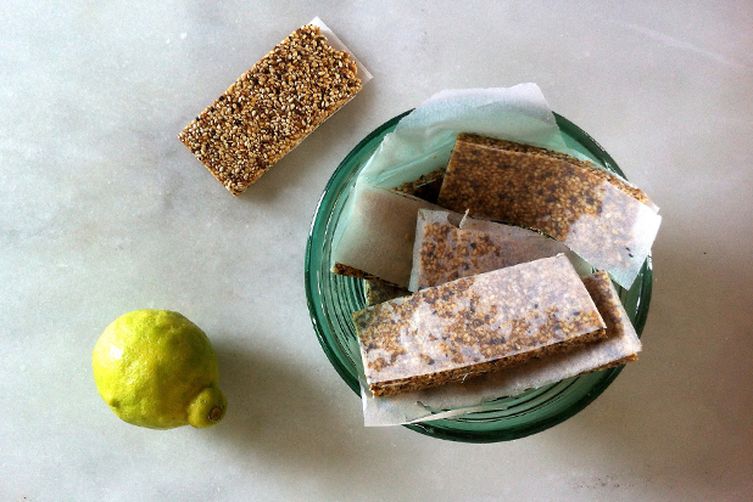
Sesame seeds and grain flours were also common in Ancient Greek sweets. Sesame-based treats, similar to modern pasteli, combined roasted seeds with honey, producing portable, nutritious, and long-lasting snacks popular with travelers and soldiers.
Grains such as wheat and barley formed the foundation of many baked desserts. Flour was mixed with honey, nuts, and spices to create small cakes or pastries, often baked in communal ovens. The Greeks skillfully balanced ingredients to produce treats that were sweet yet never overwhelming, reflecting their appreciation for both flavor and harmony.
Desserts in festivals and religious rituals
Desserts held a significant place in Greek religious and social life. Many sweets were closely associated with festivals honoring the gods or marking seasonal celebrations. During the Panathenaia, participants offered cakes and honeyed pastries at altars and shared them with one another. Similarly, at the Thesmophoria, a festival celebrating Demeter and fertility, women prepared sweet treats made with figs, sesame, and honey to honor the goddess.
Honey cakes and pastries also accompanied libations and sacrificial offerings. Priests and worshipers presented sweetened foods alongside wine or milk, blending taste with ritual. These offerings symbolized gratitude, devotion, and the connection between the human and divine.
Dried fruits and nuts were integral to seasonal festivals. Figs and dates appeared in autumn celebrations marking the harvest, while almonds and walnuts featured in springtime feasts celebrating fertility and renewal. By incorporating sweets into religious and communal rituals, the Greeks expressed both reverence and shared joy.
Social context and celebration
Wine frequently appeared in Greek desserts, either as an ingredient or accompaniment. Honeyed wine enriched cakes and soaked dried fruits, adding depth and complexity, while also complementing festival sweets by balancing sweetness with acidity. Homer describes wine blended with honey in the Odyssey, and later Byzantine Greek sources such as the Geoponika mention oinomel—wine combined with honey and spices—delighting the senses.
Spices were used sparingly but with purpose. Cinnamon, cloves, and a touch of pepper introduced warmth and aromatic complexity. Though not as central as honey, nuts, or fruits, spices demonstrated the Greeks’ attention to flavor and culinary experimentation.
Desserts in Ancient Greece also reflected social status and hospitality. Hosts displayed skill and generosity by serving sweet pastries and honey cakes during symposia, banquets, or family gatherings. The preparation and presentation of these sweets highlighted artistry, taste, and wealth.
Children enjoyed these treats as well, particularly during communal celebrations or family feasts. Honey cakes and sesame bars were given as gifts or rewards, teaching appreciation for both flavor and cultural tradition. In this way, desserts reinforced social bonds and transmitted culinary knowledge across generations.

Early forms of modern Greek desserts
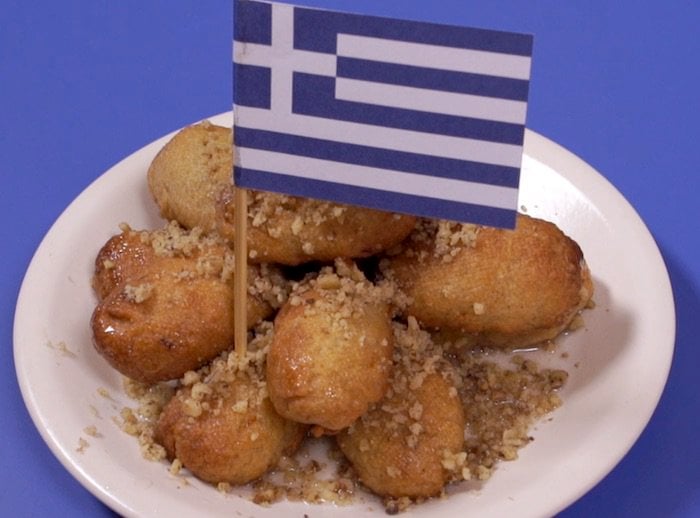
Many modern Greek desserts trace their origins to these ancient practices. For example, melomakarona, the honey-and-nut cookies popular during the Christmas holidays, resemble the honey cakes of antiquity. Pasteli, as well as sesame and honey bars, also descend directly from the sesame-based sweets enjoyed by Greeks for centuries.
Desserts featuring figs, dates, and walnuts are a continuation of the flavor combinations cherished in Ancient Greece. The use of natural sweeteners, balanced textures, and complementary flavors reflects a culinary philosophy that remains evident in Greek desserts today. Ancient recipes emphasized simplicity, nutrition, and harmony with nature.
The Ancient Greeks displayed remarkable ingenuity in crafting sweets. They combined ingredients with care, controlling sweetness, texture, and aroma. Baking techniques included layering, soaking, and light frying. Honey functioned both as a sweetener and preservative, while nuts and fruits contributed richness and texture.
Some desserts, such as sesame bars, were designed for portability, while others, like honey cakes, were central to communal gatherings or religious ceremonies. By crafting these treats, the Greeks achieved a harmony between practicality and indulgence, producing confections that were simultaneously approachable and festive.
The Hellenistic influence
During the Hellenistic period, sugar and imported spices gradually appeared, expanding the variety of desserts. Trade with Egypt, Persia, and India introduced new ingredients and culinary techniques. Nevertheless, honey remained the primary sweetener, preserving the traditional flavors and methods established in earlier Greek times. Sugar was not widely incorporated into Ancient Greek cuisine, as it was often regarded as a medicinal substance.
Greek literary sources, such as Athenaeus’ Deipnosophistae, provide vivid accounts of banquets abundant with honeyed pastries, dried fruits, and nuts. Ancient Greek sweets and desserts reflect a culture that prized balance, natural ingredients, and culinary artistry. Honey, nuts, dried fruits, cheese, and wine formed the foundation of these treats, while festivals and religious rituals gave them social and spiritual significance.
From plakous and honey cakes to sesame bars and dried fruit delicacies, desserts symbolized celebration, devotion, and community. They offered nourishment, pleasure, and a medium for artistic expression. These early creations laid the groundwork for the desserts enjoyed in Greece today. The principles of simplicity, flavor harmony, and natural sweetness continue to define Greek culinary tradition. Studying these treats provides insight into the daily life, religious practices, and festive celebrations of the Ancient Greeks.
Desserts were more than food—they were a reflection of culture, identity, and ingenuity allowing people to express joy, devotion, and creativity through them, while leaving behind a sweet legacy that endures across millennia.
See all the latest news from Greece and the world at Greekreporter.com. Contact our newsroom to report an update or send your story, photos and videos. Follow GR on Google News and subscribe here to our daily email!

