



The height of the Ancient Greeks has fascinated historians for centuries. Some imagine towering heroes, while others assume people were smaller than they are nowadays. The truth is a combination of myth and reality, and heights varied by region, diet, social status, and era. Most Greeks were not giants, yet a few stood exceptionally tall.
Myth and heroic exaggeration: Ancient Greeks and their average height
Ancient Greek literature often glorified size. Homer describes Ajax the Great as massive, with a shield and limbs that seemed to extend beyond those of ordinary men. Poets admired strength and valor over biological accuracy. Similarly, stories about the Dorians portray them as tall and powerful. These depictions symbolized prowess. Height became a metaphor for superiority and heroic virtue. In epic poetry, physical size often mirrors moral and civic qualities. A hero’s courage and leadership are “seen” in his body.
Skeletal studies provide more accurate insight. On average, Greek men stood around 1.67–1.70 meters (5’6″–5’7″) tall, while women averaged 1.58–1.60 meters (5’2″–5’3″). These numbers reflect long-term population averages. It was not uncommon for some island communities with abundant access to fish, as well as mainland elites with richer diets, to be slightly taller.
Exceptional individuals—warriors, athletes, or certain leaders—could surpass 1.90 meters (6’3″), but they were rare. These outliers influenced myths and artistic portrayals. Statues and reliefs often exaggerate size to convey importance rather than reflect literal human proportions.
Influence of class, region, and diet
Diet and lifestyle have always been a factor in the average height of communities, including the Ancient Greeks. Wealthy Greeks enjoyed protein-rich diets and better sanitation, while farmers with access to fresh local foods often reached similar stature. Poor urban residents faced malnutrition and disease, which lowered their average height.
Geography was also key. Spartans trained rigorously from childhood and ate consistently, producing taller, muscular men. Islanders, on the other hand, varied. Some islands had taller populations due to plentiful nutrition, while others were of a smaller stature as a result of limited farmland. Mountainous regions often restricted agriculture, which in turn affected food supply and physical development.
Athletic training, common in certain city-states, likewise played its own role in height. Young men who trained in palaestrae or prepared for military service developed stronger, taller bodies. Olympians, although generally following average population patterns, occasionally exceeded typical heights thanks to more plentiful diets and demanding exercise routines.

Famous individuals and exceptional height among Ancient Greeks
Classical sources provide clues as to individual height. Alexander the Great reportedly stood slightly below average, around 1.65–1.67 meters (5’5″–5’6″). The biographer Plutarch notes this while emphasizing his leadership over his stature. Philip II of Macedon had muscular bones but was not extraordinarily tall.
Leonidas of Sparta likely reached the upper range of Spartan averages, and ancient bones confirm that Spartans often exceeded the heights of other city-states. Socrates, in contrast, was short and stout, yet became one of history’s most influential thinkers. Even Aristotle, according to descriptions, was of modest height, yet his intellectual stature remains unmatched.
Athletes trained for the Olympics benefited from improved nutrition and structured support, which allowed them to develop slightly taller and stronger bodies. The idealized kouroi statues depict men significantly taller and more symmetrical than the population average. Greek diets centered on grains, olives, fish, fruit, and cheese, while meat consumption remained moderate. Healthy children with consistent nutrition could reach their genetic potential, but the average for men remained in the 1.67 to 1.70-meter (5’6″–5’7″) range.

Changes in the height of Ancient Greeks over time
According to modern assumptions, height steadily increased over the centuries. However, the height of Ancient Greeks during the Classical period was similar to that of Romans and certain other medieval Europeans.
Thus, Ancient Greeks were not significantly shorter than later populations. Most stood close to the modern average, and exceptional height was rare and often immortalized in myth. Historical sources, combined with archaeological evidence, indicate that fluctuations in height correlated strongly with local conditions, warfare, and economic cycles.
Crete and the Aegean islands had slightly taller populations during the Bronze Age, possibly due to abundant seafood and relatively stable agriculture. There was more of a variation on mainland Greece, especially in regions affected by conflict or poor harvests. Macedonian skeletal remains suggest men were taller than southern Peloponnesians, likely due to a higher-protein diet that included more cattle products.
Those in Athens, with its dense urban population, were sometimes shorter on average. City-dwelling citizens faced more disease and took in fewer calories. In contrast, farmers on fertile plains and Spartan soldiers raised in controlled military environments benefited from healthier growth conditions.
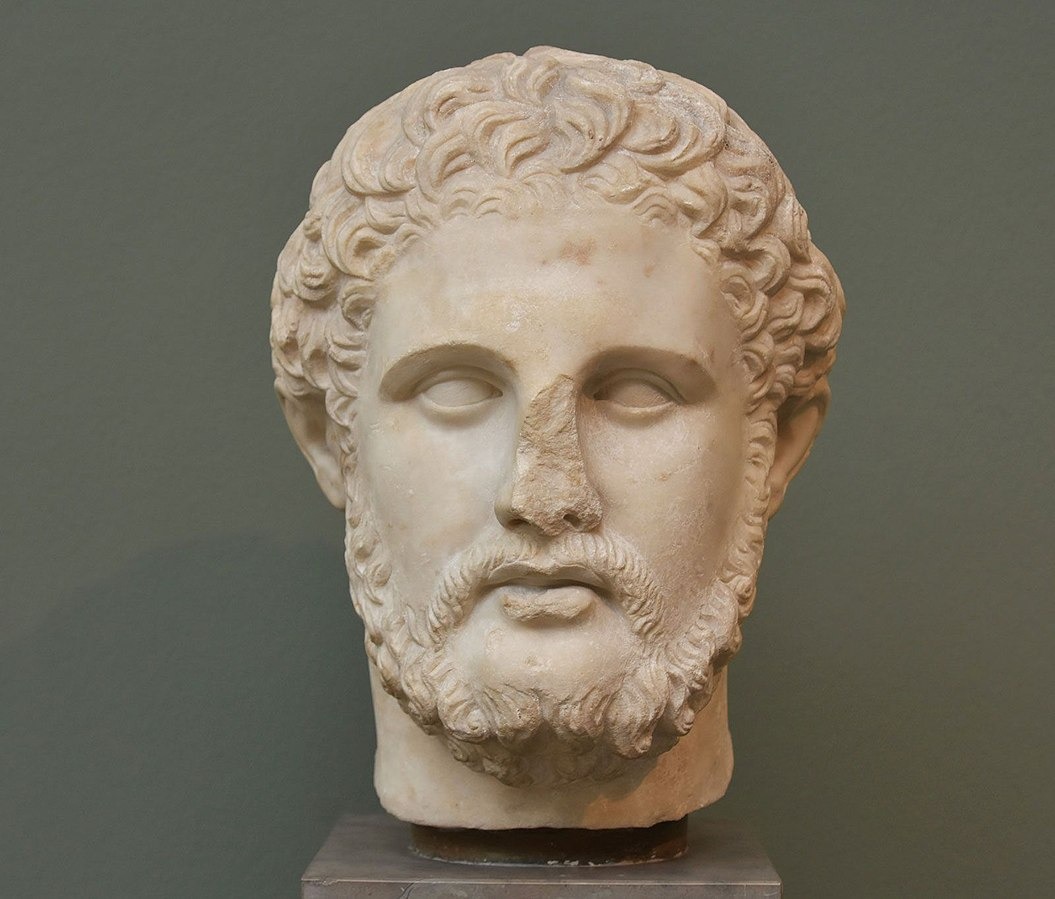
Science vs. storytelling
Greek culture celebrated heroes with a massive size to symbolize bravery, loyalty, and strength. These stories communicated ideals. Ordinary Greeks farmed, traded, and built cities, with their height reflecting environment, nutrition, and lifestyle.
Modern archaeological studies provide a balanced picture. Median men stood around 1.67–1.70 meters (5’6″–5’7″), while exceptional individuals surpassed 1.90 meters (6’3″). Mythical depictions often blend exaggeration with kernels of truth. Homer describes giants, while skeletal studies show that median citizens were close to modern heights. A few stood exceptionally tall, inspiring legend and artistic depiction.
Despite these giants, the average Ancient Greek had a height comparable to modern Mediterranean populations. Exceptional warriors and athletes pushed these limits, leaving tangible evidence of human variation. History, archaeology, and literature together reveal a people whose achievements surpassed simple physical metrics.
See all the latest news from Greece and the world at Greekreporter.com. Contact our newsroom to report an update or send your story, photos and videos. Follow GR on Google News and subscribe here to our daily email!

