



Sophocles, the great ancient Greek tragedian of the 5th century BC, in his play Philoctetes presents a tragic landscape wherein virtue, free will, and principle collide with ambition and cold rationalism. Set during the final years of the Trojan War, the play centers on the marooned warrior Philoctetes.
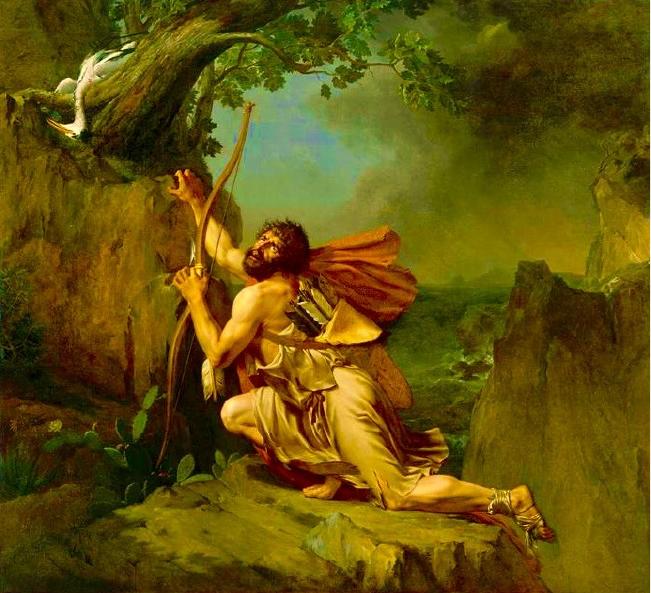
Bitten by a snake and abandoned on Lemnos island by the Greeks, he suffers in pain and solitude. Yet he possesses the invincible bow of Heracles, a weapon the Greeks now need to win the war.
Philoctetes and the moral dilemma: Principle versus pragmatism
Odysseus returns to Lemnos with Neoptolemus, son of Achilles. Their mission is to retrieve Philoctetes and his bow by any means necessary, but what unfolds is not just a tale of strategy. It becomes a philosophical battleground. Sophocles exposes the tension between integrity and expedience. Through these characters, the audience confronts a question that transcends time: What should prevail when morality and necessity clash?
Philoctetes is a man of unwavering principle. Ten years of abandonment have made him bitter but not morally corrupt. He clings to the dignity of truth, no matter the pain it brings. His suffering defines him but so does his refusal to compromise. When Neoptolemus deceives him to obtain the bow, Philoctetes reacts with fury. The weapon is not just a tool of war; it is bound to his suffering and his sense of justice.
Characters as ethical forces and virtues in Philoctetes
Neoptolemus represents youthful idealism. Initially, he obeys Odysseus, agreeing to lie in order to achieve their goal. However, the cost of deception begins to weigh on him. His conscience stirs as he witnesses Philoctetes’ agony and courage. Sophocles crafts Neoptolemus as a character in moral evolution. He is torn between loyalty to his mission and loyalty to what is right.
Odysseus stands in stark contrast. He is pure pragmatism. To him, the end justifies the means. Honor is secondary to victory. Furthermore, he rationalizes his manipulation as necessary for the greater good. Odysseus, the statesman-warrior, symbolizes a mature yet cynical political mind. He acts with cold calculation, convincing himself that ethics are flexible when survival is at stake.
This triangle of characters allows Sophocles to explore complex ethical territory. The tragedy does not lie solely in pain or isolation. It lies in the way virtue becomes an obstacle to resolution. Philoctetes’ virtue is admirable but impractical. His honesty and pride keep him imprisoned. He cannot forgive, and he refuses to serve a cause that betrayed him.
Neoptolemus, caught between two poles, ultimately chooses principle over strategy. Finally, in returning the bow to Philoctetes, he chooses truth over victory. This act is both courageous and costly. It puts the war effort at risk. Yet it restores Neoptolemus’ integrity. He learns that honor cannot be borrowed; it must be chosen, even with the risk of personal loss.
Divine commands and the erosion of free will in Philoctetes
Sophocles offers no comfortable resolution. Even when Heracles appears at the end to command Philoctetes to proceed to Troy, the tension remains. Free will has been battered by divine intervention. Philoctetes agrees to go, but the consent feels imposed. The gods may tie the plot together, but they do not resolve the ethical dilemma.
The clash between principle and reason is further amplified by the play’s structure. The chorus offers sympathy but cannot mediate the conflict. The island itself becomes symbolic. Lemnos is barren and remote, much like the soul of a man left behind by society. In that harsh landscape, Sophocles allows moral clarity to emerge, though at great human cost.
Philoctetes’ suffering is not wasted. It becomes a crucible that tests the morality of others. His pain makes it harder for Neoptolemus to deceive him. His endurance makes Odysseus seem hollow by comparison. Pain, in this tragedy, is not only physical. It becomes a moral force, pushing each character to reveal their true self.

Power, suffering, and the ethics of deception in Philoctetes
Sophocles warns that rational thinking, when stripped of empathy, becomes cruelty. Odysseus eventually uses logic to justify betrayal. He convinces Neoptolemus that deception is just a tactic. Yet, this logic collapses in the face of real suffering. Once Neoptolemus sees Philoctetes as a person rather than a means to an end, he is no longer able to lie.
The play challenges the audience to rethink power. Who holds power in Philoctetes? Is it Odysseus with his strategy or Neoptolemus with his evolving conscience—or is it Philoctetes, with his uncompromising virtue and the sacred bow? Sophocles resists easy answers. Instead, he forces us to see that power may rest not in weapons but in choices.
The dialogue in Philoctetes is rich with ethical reflection. Each argument has weight, and Odysseus makes a persuasive case. Without Philoctetes, Troy cannot fall. However, Sophocles allows us to feel that a victory achieved by trickery carries its own defeat. The Greeks risk becoming the very thing they claim to fight.
Free will is under siege in this play. Odysseus believes in control. Neoptolemus begins to awaken to freedom. Philoctetes clings to his autonomy like a lifeline. The moment he is deceived, he refuses to comply. He will die rather than be a pawn. His choice is costly, but it is his. That defiance becomes the soul of the play.
The arrival of Heracles complicates the message. A god must intervene to bring peace. It is both a relief and a letdown. The conflict proves so human and raw that divine resolution feels unnatural. Yet Sophocles may be suggesting that without transcendent guidance, humans may never escape the spiral of self-interest.

The virtues of rationalism and the price of integrity amidst suffering in Philoctetes
Philoctetes is more than a tragedy. It is a meditation on the price of principle and the seduction of pragmatic thinking. Sophocles refuses to vilify or exalt any one stance completely. Odysseus is effective. Neoptolemus is admirable while Philoctetes is steadfast. However, none escape untouched. Each is changed, marked by the collision between that which is right and that which is useful.
In our modern world, the questions Sophocles raises remain urgent. When should integrity give way to strategy? What is the cost of betraying principle for the sake of outcome? Philoctetes offers no easy answer in the conflict of virtue with rationalism. It offers only a tragic, beautiful struggle—one whereby human dignity is tested by necessity and virtue must fight for its place in a broken world.
See all the latest news from Greece and the world at Greekreporter.com. Contact our newsroom to report an update or send your story, photos and videos. Follow GR on Google News and subscribe here to our daily email!

