



Two ancient hilltop sites in the Eurotas Valley of southern Greece are offering new answers about the early encounters between Mycenaean-era communities and the people who would become the Spartans.
A new study published in the Annual of the British School at Athens traces how these sites shaped a shared cultural identity over centuries, long before Sparta rose to dominance.
Hans Beck of the University of Münster, the study’s sole author, centers her research on a recently excavated Mycenaean palace at Aghios Vasileios near Xirokambi and the Sanctuary of Apollo at ancient Amyklai.
The people at the heart of this study are the Lakedaimonians, the inhabitants of the Spartan state of Lakedaimon, which included the city of Sparta and the surrounding region of Laconia.
Linear B tablets and bronze swords reveal a royal palace
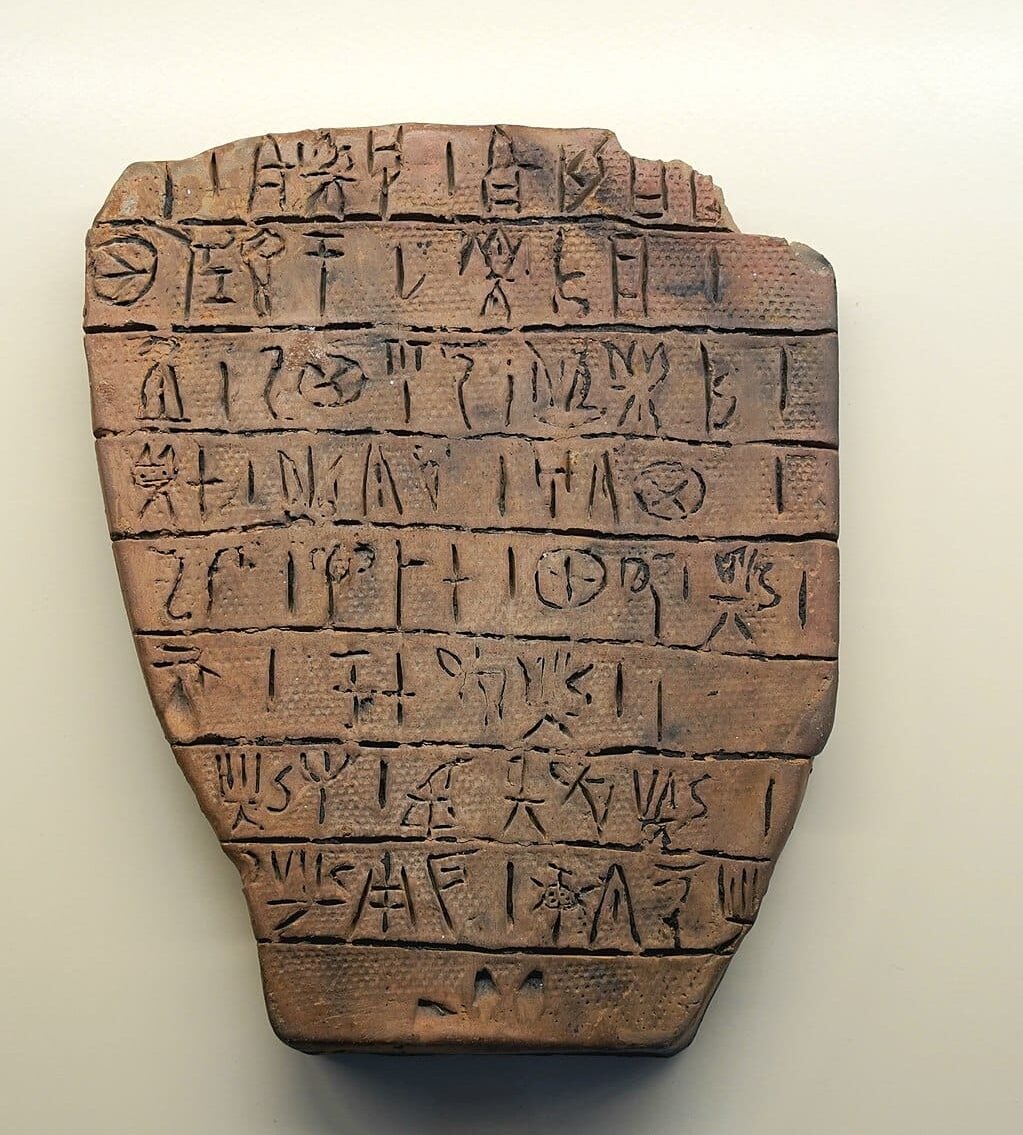
The first written evidence of the Lakedaimonians surfaced in Linear B tablets unearthed in Thebes, where archives referenced individuals identified as “Lakedaimonian.” Excavations at Aghios Vasileios, roughly 12 kilometers (7.5 miles) south of modern Sparta, later confirmed a direct link.
Researchers there have recovered 204 Linear B document components, including 105 reconstructed tablets, a cache of 21 bronze swords, rich wall paintings, and an inscribed clay nodule bearing the term for “wanax,” the Mycenaean word for king.
In terms of Linear B finds, the site ranks fourth across all known Aegean locations, behind only Knossos, Pylos, and Thebes. Beck identifies Aghios Vasileios as the seat of the Lakedaimonian king during the Bronze Age.
Seven kilometers (4.3 miles) north, the sanctuary at Amyklai was already active during the same period, overlapping with the palace by roughly one to two generations.
Beck argues the two sites worked closely together, with Amyklai likely serving as a ceremonial outpost where ritual banqueting and dedications took place.
After the palace collapsed around the mid-13th century, Amyklai gradually absorbed its cultural role, becoming the main gathering point for communities across the valley.
Encounters between Spartans and Mycenaean communities transformed Amyklai
The proto-Spartan settlers, likely Dorian migrants, began arriving in the region around 950 BC. Beck argues their relationship with the existing Lakedaimonian communities was not simply one of conquest.
Instead, the Spartans positioned themselves as protectors of the older Lakedaimonian heritage. The construction of the Menelaion shrine at Therapne, honoring the Mycenaean heroes Menelaos and Helen, marked an early sign of this reconciliation and showed both sides actively embracing a shared past.
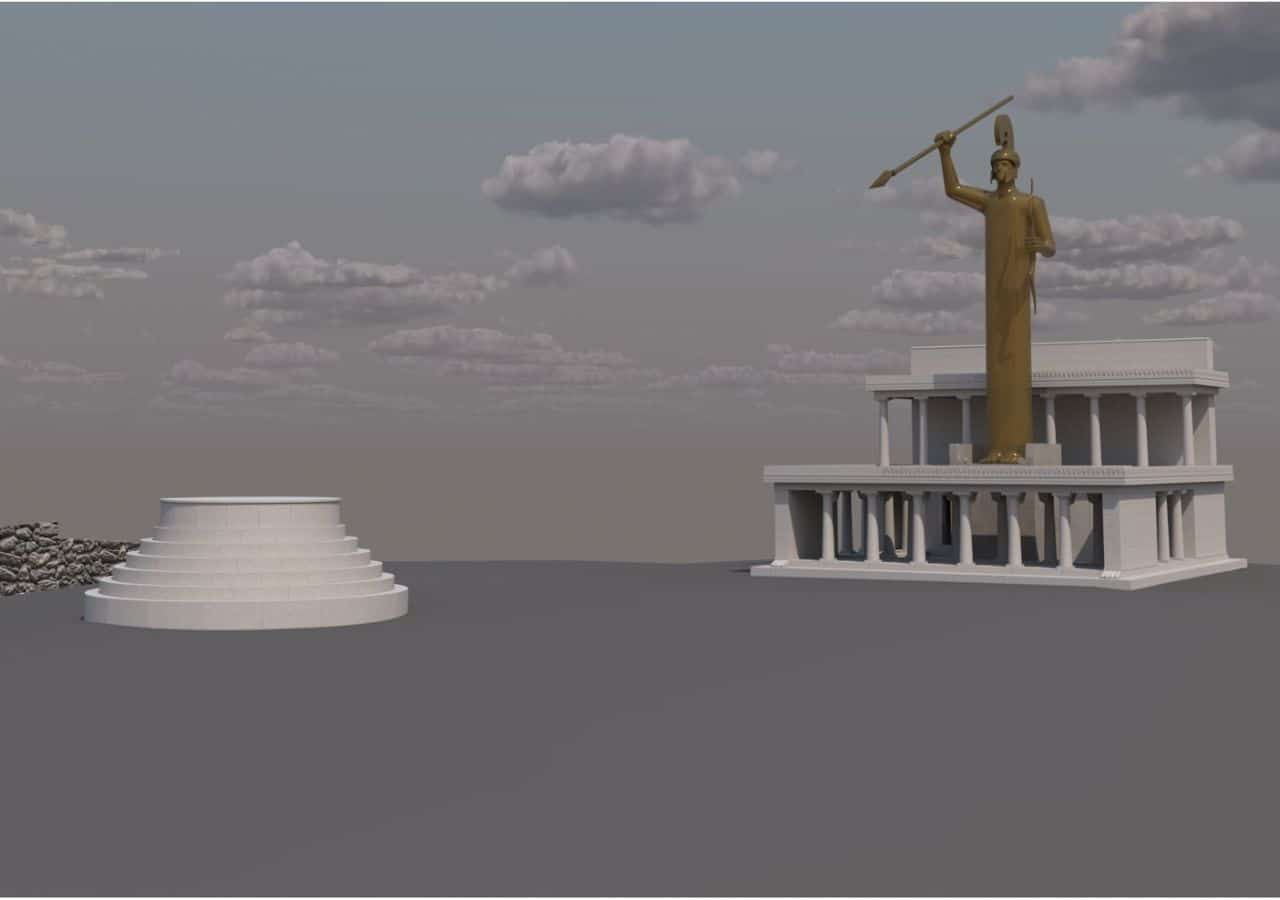
The sanctuary at Amyklai became the most visible symbol of this relationship. A towering bronze statue of Apollo, erected in the sixth century, served as a beacon visible across the entire valley.
The annual Hyakinthia festival, held there over three days, drew Spartans and Lakedaimonians together through processions, sacrifices, musical and athletic competitions, and choral performances.
Beck notes that songs from different local communities were performed, and attendance was open to all, including women and enslaved people.
The festival reflected how Amyklai functioned as a neutral meeting ground where both groups engaged on broadly equal terms, a quality no other site in the region could match.
See all the latest news from Greece and the world at Greekreporter.com. Contact our newsroom to report an update or send your story, photos and videos. Follow GR on Google News and subscribe here to our daily email!

