



Researchers have identified hidden structures beneath ancient Olympia, the celebrated Greek sanctuary where athletes competed in the Olympic Games for over a millennium. A new study published in Archaeological Prospection describes what may be a harbour basin and maps a long-buried river embankment lying several meters underground in the Peloponnese region of Greece.
The study was led by Sarah Bäumler of the Institute of Geosciences at Kiel University in Germany. Field campaigns took place in 2021 and 2023, targeting a section south of the excavated sanctuary, between the old bed of the Alpheios river and the known building remains.
The sanctuary has long been buried under four to six meters (13 to 20 feet) of silt and sand deposited by the Kladeos and Alpheios rivers over centuries. That thick sediment cover renders conventional tools such as ground-penetrating radar and magnetic gradiometry largely ineffective at the site.
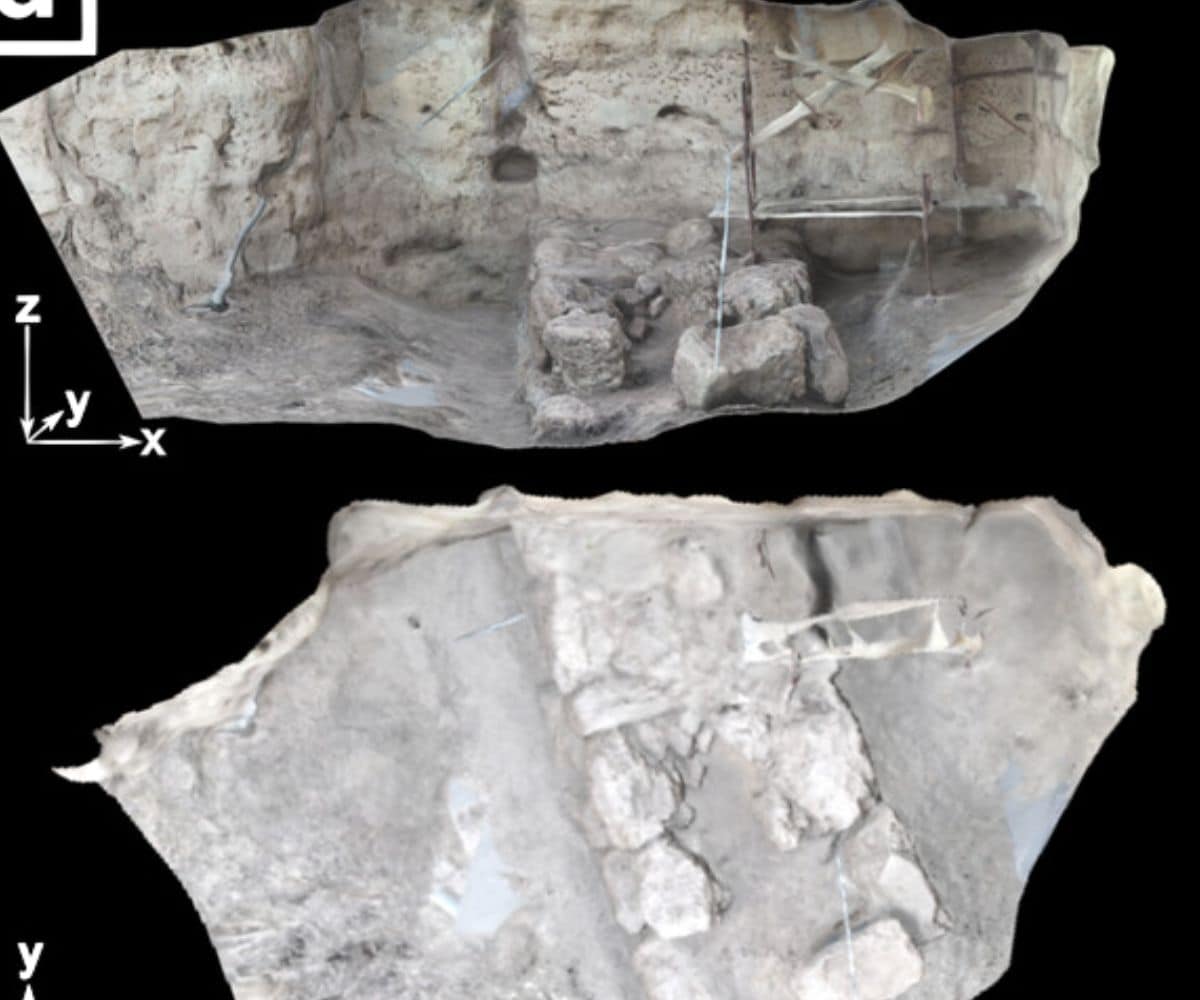
Sediment blocked access for centuries
Researchers used three complementary methods instead: electromagnetic induction, electrical resistivity tomography, and shear-wave seismic measurements. These techniques can reach features at depths of up to nine meters (30 feet).
Dense olive groves covering the area complicated data collection considerably. To address this, the team developed a special multi-phase filter to remove interference caused by water-laden trees during the harvest season.
The most significant finding is a rectangular basin measuring roughly 80 by 100 meters (262 by 328 feet), located south of the currently excavated sanctuary. Its lower boundary sits around six meters (20 feet) underground.
The basin contains limnic sediments, formed in a standing freshwater environment, and shows an opening on its southeastern corner. Radiocarbon data indicates that limnic conditions persisted in the basin from the fifth century BC through the sixth century AD, a span that covers the peak of the Panhellenic Games.
New survey detects hidden structures deep within ancient Olympia
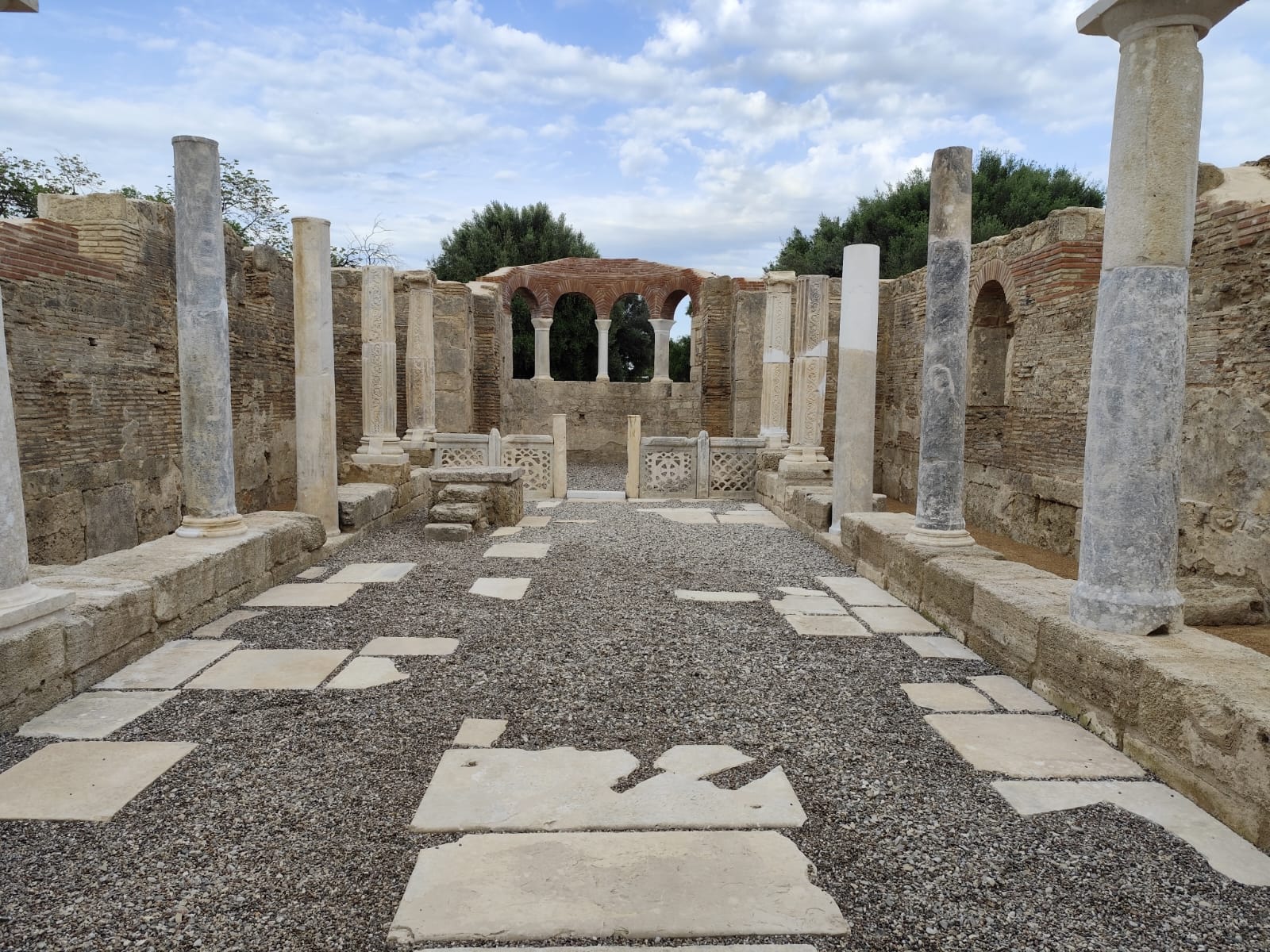
Researchers evaluated three possible functions for the structure: a bath complex, a wastewater basin, or a harbour. Sedimentological and biomarker analyses ruled out the first two options. The orientation of the basin aligns with the Leonidaion and the southwestern bath, pointing to a connection with the broader sanctuary.
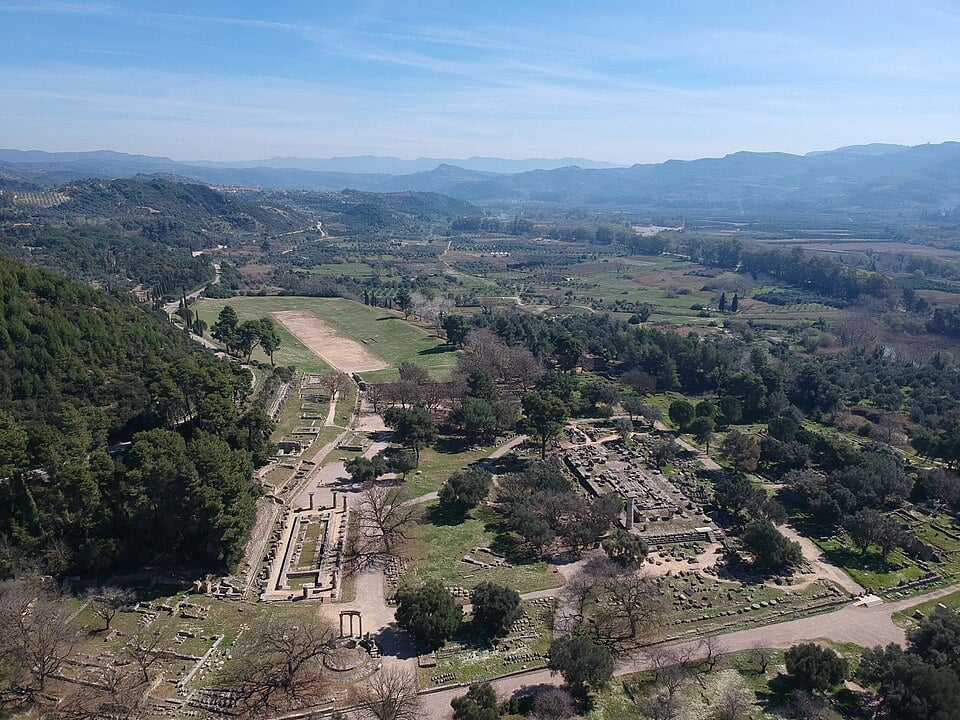
The long-accepted theory holds that goods reached Olympia from a harbour at Pheia, roughly 22 kilometers (14 miles) away. The ancient geographer Strabon noted that boats could navigate approximately eight kilometers (5 miles) inland, cutting that overland journey considerably.
A harbour at Olympia itself would have made logistical sense given the scale of the Games. The newly found structure, situated near the ancient Lake of Olympia, fits that possibility.
Flood wall course traced south toward terrace edge
Researchers also confirmed that the levee containing the Kladeos wall, a flood barrier measuring 2.8 meters (9.2 feet) high and 2.8 meters (9.2 feet) wide, runs in a nearly straight north-south line toward the present terrace edge.
The findings suggest many hidden structures at ancient Olympia remain unexcavated. The team noted that archaeological excavation is still required to confirm the results.
See all the latest news from Greece and the world at Greekreporter.com. Contact our newsroom to report an update or send your story, photos and videos. Follow GR on Google News and subscribe here to our daily email!

