



A hantavirus outbreak aboard a cruise ship crossing the Atlantic Ocean has resulted in three deaths and four reported illnesses, prompting a public health emergency during the voyage.
The vessel, carrying nearly 150 passengers and crew members from twenty-three countries, had been sailing a route through some of the most remote waters in the world before the situation came to light in early May.
What is hantavirus, and how does it spread?
Hantavirus is a family of viruses carried by rodents. It results in two types of serious illnesses. In Europe and Asia, it leads to hemorrhagic fever with renal syndrome, a condition that targets the kidneys.
In the Americas, it causes hantavirus pulmonary syndrome, which attacks the lungs. The death rate ranges from below 1 percent to 15 percent in Asia and Europe, and up to 50 percent in the Americas.
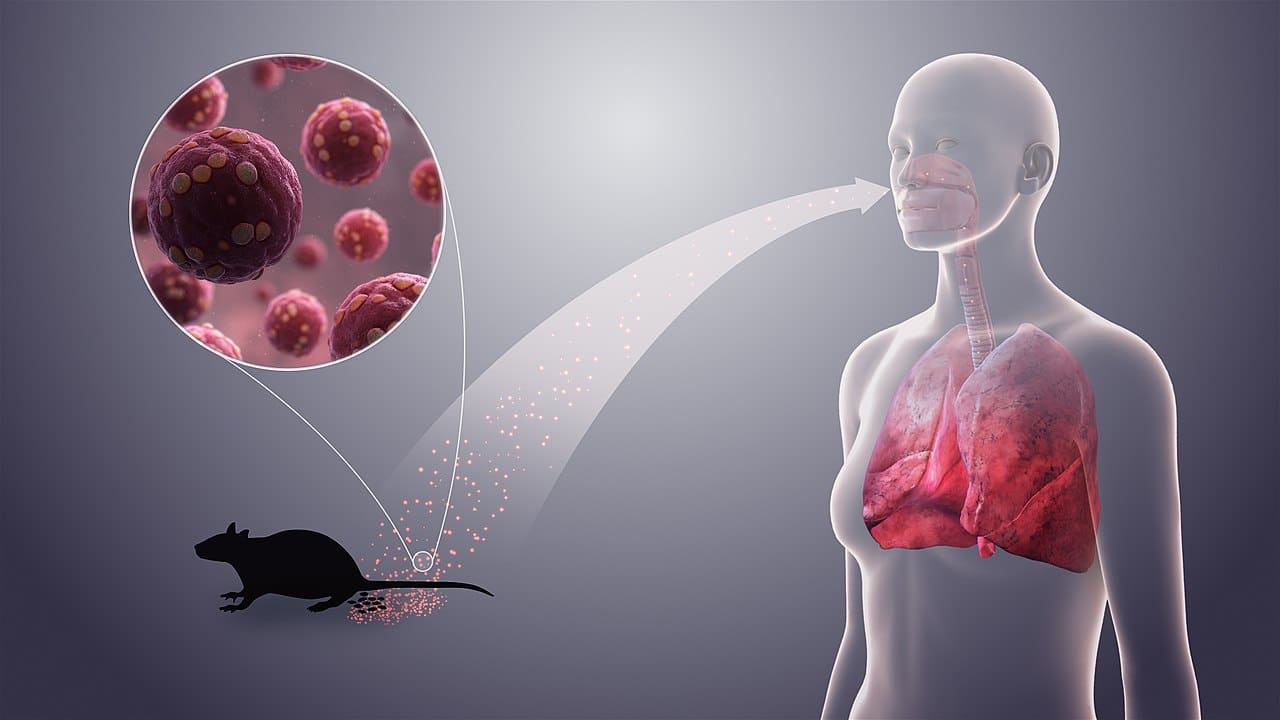
People typically contract the virus by inhaling airborne particles from rodent droppings, urine, or saliva. This can happen during routine activities in areas where rodents have been active. The disease rarely passes between people. The Andes virus, found primarily in South America, is the only known strain capable of human-to-human spread, although even that remains uncommon.
In this outbreak, investigators have not ruled out person-to-person transmission. Dr. Maria Van Kerkhove, the World Health Organization’s director for epidemic and pandemic preparedness, has said several of those affected had been in very close contact with one another, making that route of transmission a possibility that cannot be dismissed.
Three dead, four sick from hantavirus on cruise ship
The MV Hondius, a Dutch-registered vessel operated by Oceanwide Expeditions, departed Ushuaia, Argentina on April 1, 2026, carrying eighty-eight passengers and fifty-nine crew members from twenty-three countries.
The first victim was a 70-year-old Dutch man who developed fever, headache, stomach pain, and diarrhea on April 6. His condition deteriorated quickly, and he died on board on April 11. His body was transferred to Saint Helena, a British territory in the South Atlantic, on April 24.
His 69-year-old wife accompanied the body ashore. She fell ill during a connecting flight to Johannesburg and collapsed at the airport. She died on April 26. Laboratory tests later confirmed she had been infected with hantavirus. Investigators believe the couple may have been exposed before boarding in Argentina.
Three people on a cruise ship have died from suspected hantavirus infections, a group of viruses spread by rodents
Passengers are currently not allowed to disembark to protect the local population pic.twitter.com/SmSbg8AUbr
— Dexerto (@Dexerto) May 5, 2026
A British passenger was evacuated by air to South Africa and admitted to an intensive care unit. His test results came back positive. Officials later said his condition was showing signs of improvement. A German passenger died on May 2. The exact cause of death in that case remains under investigation.
Three more suspected cases are still on board. Those individuals have reported fever and stomach-related symptoms. Medical teams have been deployed to assess them.
Symptoms and treatment for hantavirus
The hantavirus begins much like influenza. Patients experience fever, chills, body aches, and fatigue. As it advances, some develop serious breathing difficulties and fluid buildup in the lungs. In the most severe cases, organ failure can occur. Symptoms may appear anywhere from one to eight weeks after exposure.
No approved antiviral treatment exists for hantavirus pulmonary syndrome. Doctors rely on supportive care, which includes managing fluid levels, providing oxygen, and, in serious cases, reliance on mechanical ventilation. Patients with severe symptoms require prompt transfer to an intensive care unit, as early intervention plays a critical role in survival.
WHO calls global risk low, investigation ongoing
The World Health Organization confirmed two cases through laboratory testing and said five more remain under investigation. The agency assessed the overall risk to the global population as low.
Authorities from Cape Verde, the Netherlands, South Africa, Spain, and the United Kingdom are coordinating the response. Additional lab samples are being sent to the Institut Pasteur in Dakar, Senegal, for further testing.
On May 4, the ship was anchored off Cape Verde. Passengers had not yet received permission to disembark. All those on board have been advised to monitor themselves for symptoms for the next forty-five days.
See all the latest news from Greece and the world at Greekreporter.com. Contact our newsroom to report an update or send your story, photos and videos. Follow GR on Google News and subscribe here to our daily email!

