


Scientists have discovered a new species of moth in Greece and named it after Pope Leo XIV. The moth, found only on the island of Crete, was named “Pyralis papaleonei” in honor of the pontiff because of his strong public advocacy for climate and environmental protection. The researchers said they hoped the pope’s voice on these issues would serve as an example for humanity.
Peter Huemer, a researcher at the Natural History Collections in Innsbruck, Austria, led the study, which was published in the journal Nota Lepidopterologica. The naming also fits a long-standing tradition within the moth group.
Other species in the same group carry names referencing high offices, including “Pyralis regalis”, “Pyralis cardinalis”, “Pyralis imperialis”, and “Pyralis princeps”.
Greece’s mountain moth gets named after Pope Leo XIV
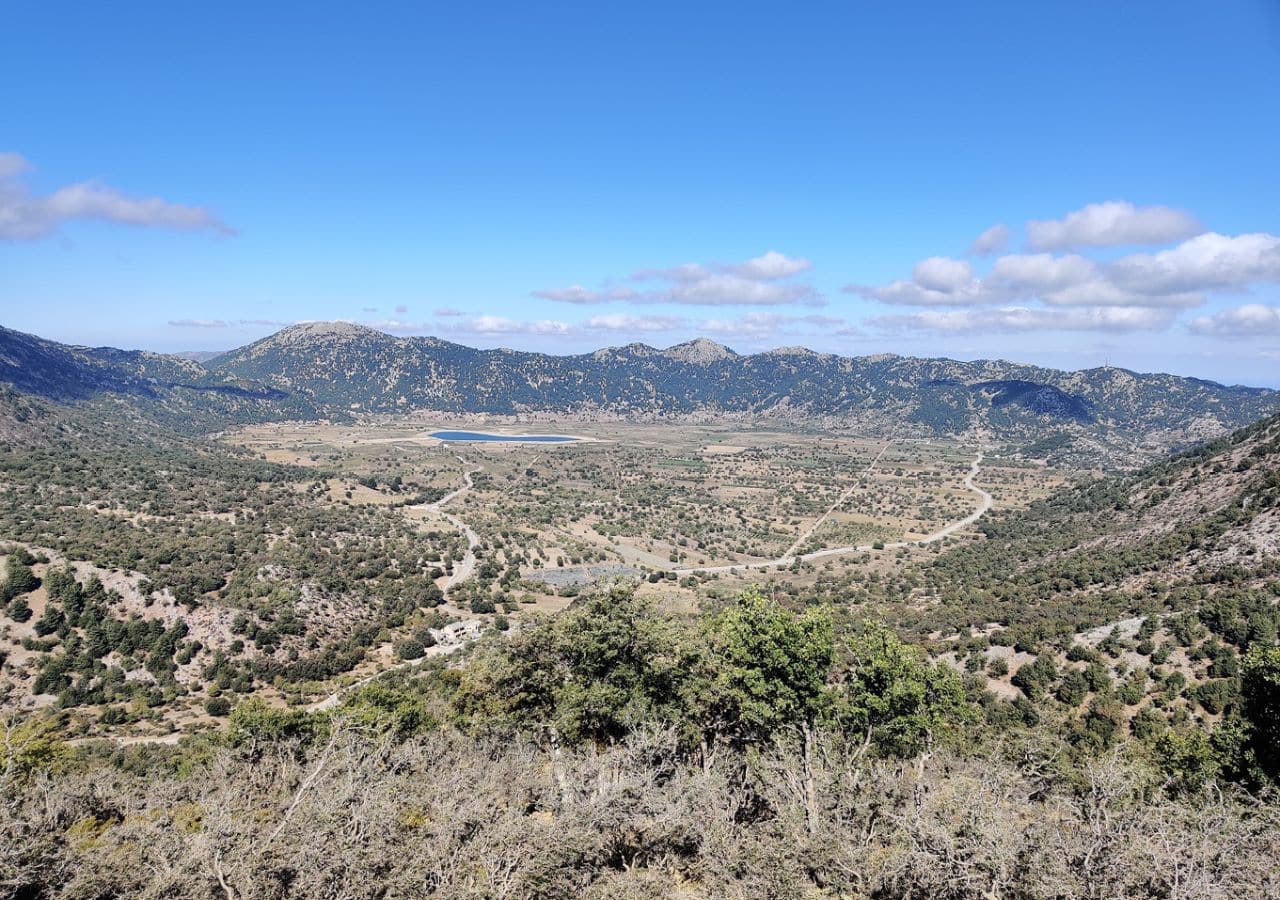
The moth was found exclusively in the White Mountains, known locally as Lefka Ori, in the western part of Crete. Most specimens were collected at elevations between 1,000 and 1,200 meters (3,281 and 3,937 feet).
Adults were mainly observed in June, though one specimen was recorded in October, pointing to either a long flight season or a possible second generation. Its host plant and early life stages remain unknown.
The new species had actually been in scientific databases for years but was misidentified as a related species, “Pyralis kacheticalis”. Researchers analyzed around 100 specimens, including 45 individuals of the new species, using both physical examination and DNA barcoding.
The genetic analysis showed a divergence of 5.78% from its nearest relative and 9.4% from “Pyralis regalis”, which lives on the nearby Peloponnese peninsula. These figures are well above what is typically required to confirm a distinct species.
Narrow white wing band separates new species from relatives
The moth also looks distinct. It carries a narrow, nearly uniform white band across its forewing, a feature not found in related species. Its hindwings are a pale greyish-purple, divided into three sections by two white lines with little color contrast between them. Related species show broader white markings and sharper color differences.
The new moth shares its mountain habitat with several other species found only on Crete. Researchers noted that the discovery adds to a growing list of Cretan endemics, with 40% of the island’s 76 known endemic species described since 2000.
The study also suggested that additional undescribed species likely exist within the same moth group, particularly from populations in China that have been genetically flagged as distinct but not yet formally named.
The same study also recorded “Pyralis kacheticalis” in Iraq and Armenia for the first time.
See all the latest news from Greece and the world at Greekreporter.com. Contact our newsroom to report an update or send your story, photos and videos. Follow GR on Google News and subscribe here to our daily email!

