



Although Rome conquered Greece politically, it never extinguished its cultural authority. Instead, many of its emperors governed the Greek world with admiration and deliberate respect.
These Roman emperors recognized Greece not merely as territory but as the intellectual and spiritual foundation of civilization. Accordingly, they chose to rebuild, honor, and at times even symbolically liberate it. Through policy, construction, and patronage, they cultivated a relationship that blended power with reverence.
Augustus and the reordering of Ancient Greece

After years of civil war, Augustus imposed order on a fragmented Greek world. He reorganized the region and formally established the province of Achaea, thereby unifying much of mainland Greece under a coherent administrative framework. At the same time, he curtailed traditional consular authority and placed the province under his direct imperial control, a decision that ensured stability and helped prevent further political turmoil.
Augustus also invested heavily in urban development. Following his victory at Actium in 31 BC, he founded Nicopolis, envisioning it as a thriving commercial center that would link Western Greece with the wider Mediterranean world. To realize this goal, he relocated populations from Aetolia and Acarnania, particularly those who had supported Rome. He adorned the city with temples, theaters, statues, and an aqueduct, transforming Nicopolis into a powerful symbol of both Roman authority and Greek renewal.
He likewise rebuilt Patra, a city that had been nearly depopulated by war. By settling veterans and colonists from Italy and Rome, he restored its vitality and strengthened its economic base. Augustus further enhanced the city’s infrastructure, including the construction of an aqueduct. Through these initiatives, Augustus did more than govern Greece; he fundamentally reshaped it, laying the groundwork for long-term prosperity.
At the same time, Greek cities responded with enthusiasm and, often, calculated flattery. They honored emperors as benefactors and at times even as divine figures. Temples, inscriptions, and festivals celebrated Roman rulers, reflecting both genuine gratitude and political pragmatism. In this way, a reciprocal relationship emerged, reinforcing the enduring connection between Greek cultural identity and Roman authority.
The Roman emperor Hadrian and the vision of a united Hellenic world
Hadrian elevated Rome’s relationship with Greece to a new level. He not only admired Greek culture but sought to revive it. His reign ushered in a cultural renaissance that reshaped Athens and influenced the wider Greek world.
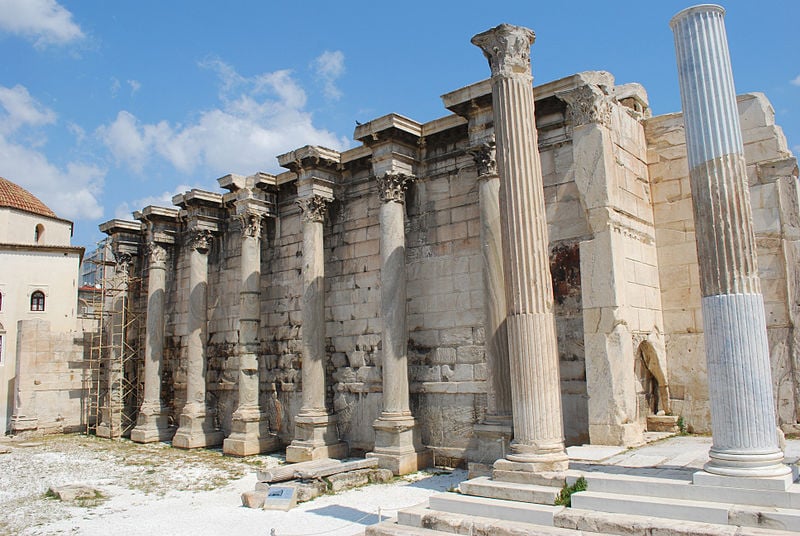
In Athens, Hadrian completed the Temple of Olympian Zeus, a monumental project that had remained unfinished for centuries. He also commissioned libraries, public buildings, and cultural institutions that restored the city’s prestige. Additionally, he constructed a grand aqueduct to transport water from Kifisia, enhancing daily life and supporting urban growth.
Hadrian’s ambition, however, extended beyond architecture. He aimed to foster a sense of unity among Greek cities under a shared cultural identity. To this end, he established the Panhellenion, a league that brought together cities from across the Hellenic world. Athens occupied a central, symbolic role, representing the heart of Greek civilization. Hadrian even promoted the idea of Athens as a renewed cultural capital, occasionally even describing it as his own city.
The Panhellenion operated with a formal political structure. Member cities contributed to a common treasury, reinforcing cooperation and a collective identity. Herodes Atticus, a prominent Athenian statesman and benefactor, served as its first president. Through this institution, Hadrian sought to revive the unity of the classical Greek world—not by force but through culture, civic engagement, and shared heritage.
Antoninus Pius and the care for a fragile world
Antoninus Pius carried forward Hadrian’s policies with consistent attention and care. He ruled without dramatic displays of power, yet his decisions had lasting effects. His focus lay on stability, reconstruction, and the well-being of provincial populations.
When earthquakes struck parts of Greece, he responded generously. He funded the rebuilding of cities and ensured that regions such as the Peloponnese, Rhodes, and Kos could recover. His financial support allowed displaced populations to return and restore their communities.
In addition, Antoninus invested in infrastructure and public works. He did not pursue conquest or territorial expansion. Instead, he reinforced the empire from within. His approach reflected a philosophy of governance rooted in responsibility and long-term vision.
Greek cities continued to honor him as a benefactor. They erected statues, issued decrees, and expressed gratitude for his support. Through these acts, they sustained a tradition in which rulers earned legitimacy through generosity and respect for local culture.

The Roman emperor Nero and the moment of freedom for Greece
In 67 AD, Nero made one of the most striking gestures in Roman-Greek relations. During the Isthmian Games in Corinth, he proclaimed the “freedom of the Greeks,” declaring that Greek cities would be exempt from certain taxes and granted a measure of autonomy.
The announcement carried profound symbolic significance. It evoked the ideals of classical freedom and recalled the memory of independent city-states. For a brief moment, Greece appeared to reclaim its political identity. Crowds celebrated, and cities honored Nero with extraordinary enthusiasm, often elevating him to divine status in inscriptions and public ceremonies.
Yet this freedom was short-lived. After Nero’s death in 68 AD, Vespasian reversed the policy and reinstated Roman control. Nevertheless, the episode underscores how deeply Greece remained part of the Roman imagination. Even an emperor like Nero sought prestige by linking himself to Greek liberty and cultural heritage.

Marcus Aurelius and the triumph of philosophy
Marcus Aurelius, the philosopher-emperor, brought intellectual depth to Rome’s relationship with Greece. He held Greek philosophy in profound esteem and drew inspiration from its teachings.
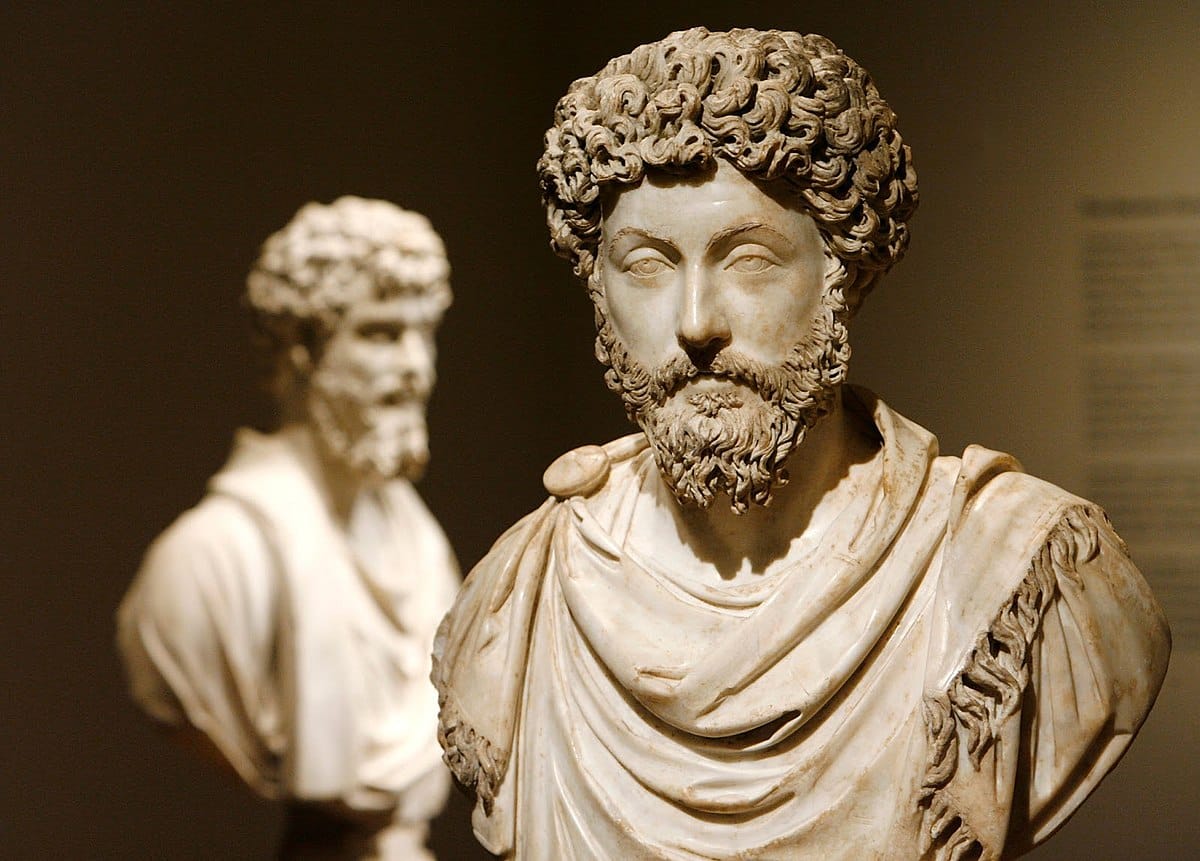
In Athens, he endowed philosophical chairs, reinforcing the city’s status as an intellectual hub of the empire. These positions supported the study of philosophy and attracted students from across the Roman world, allowing Athens to flourish once again as a vibrant center of thought and debate.
Beyond academia, Marcus Aurelius supported Greek communities through philanthropy. He funded public works, aided cities in need, and upheld cultural traditions. His actions reflected a vision of leadership grounded in both wisdom and compassion.
Greek cities honored him not only as a ruler but also as a benefactor and philosopher, recognizing his respect for their intellectual heritage and the enduring value of Greek thought.
A relationship beyond conquest: Roman emperors and Ancient Greece
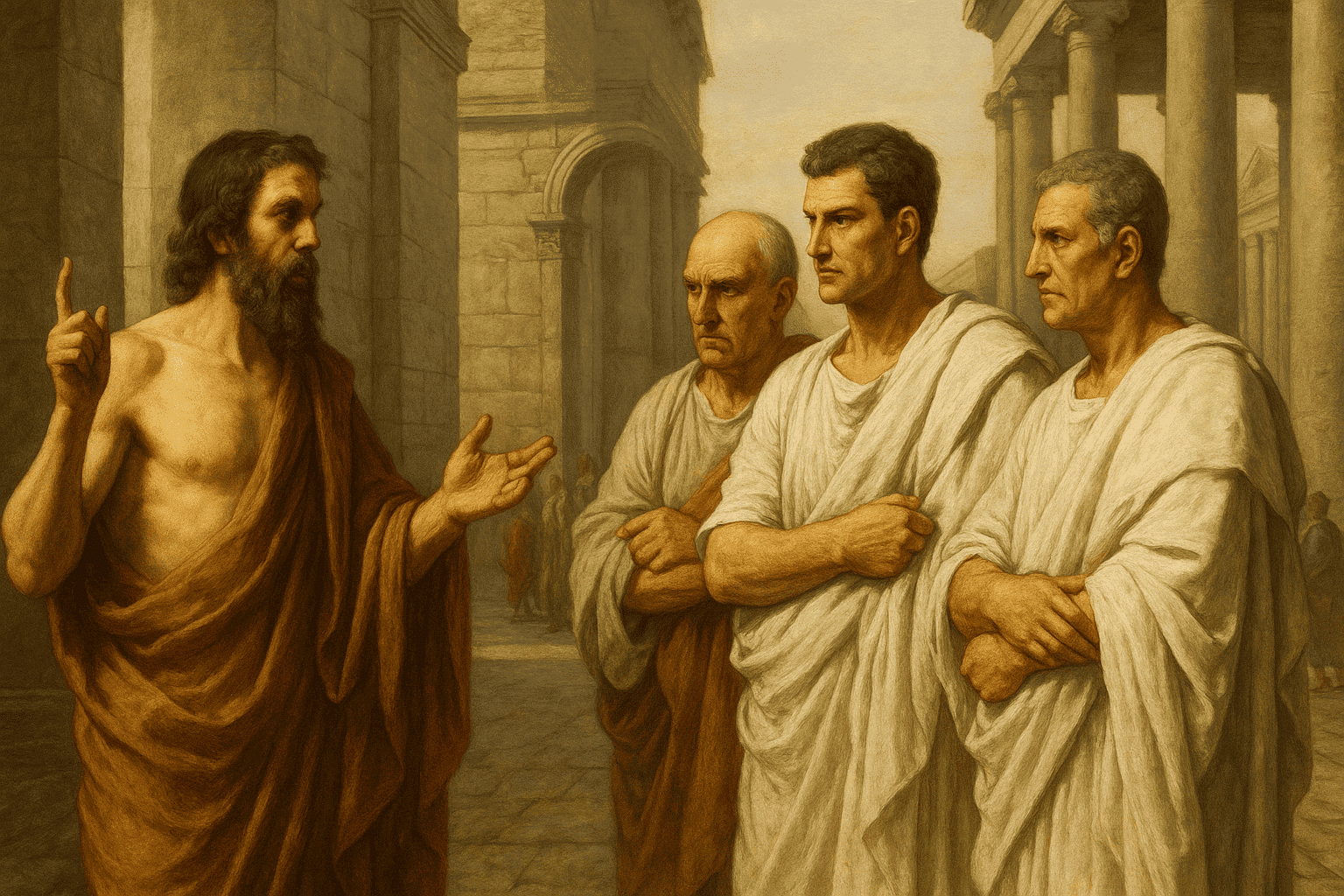
The relationship between Rome and Greece cannot be reduced to mere domination. It reflects a complex interplay of power, admiration, and cultural exchange. While Roman emperors ruled Greece, they also sought to preserve and enhance its legacy.
Augustus imposed order and rebuilt cities. Hadrian envisioned a unified Hellenic world and transformed Athens. Antoninus Pius promoted recovery and stability. Nero, however briefly, proclaimed Greek freedom, while Marcus Aurelius strengthened intellectual life and upheld philosophical tradition. Greek communities themselves played an active role in this relationship. Through honors, flattery, and cultural influence, they reinforced their significance within the empire, reminding rulers that Greece was a civilization deserving of respect.
Ultimately, Rome conquered Greece with armies, but it embraced it through culture. The emperors who governed Greece understood that true authority required more than force. It demanded acknowledgment of history, respect for tradition, and investment in the future. Through their actions, these rulers ensured that Greece endured not simply as a province but as the living heart of the ancient world.
See all the latest news from Greece and the world at Greekreporter.com. Contact our newsroom to report an update or send your story, photos and videos. Follow GR on Google News and subscribe here to our daily email!

