



Hippocrates, the ancient Greek father of medicine, occupies a unique place in the history of human thought, and his writings on health, diet, and human nature reveal him not only as a physician but also as one of the earliest food historians.
He did not simply record recipes or prescribe diets but also analyzed the relationship between humans and the foods they consumed, exploring their origins, preparation, and effects over time. In doing so, he laid the groundwork for understanding food as a vital element of health and civilization.
The origins of human diet and the necessity of medicine
In his work On Ancient Medicine, Hippocrates observed that the human body cannot thrive on the same regimen as other animals. Oxen, horses, and other creatures survive on the plants and fruits of the earth without disease or intervention. Humans, however, require something different. The dietary needs of people are shaped by both nature and circumstance. Hippocrates recognized this distinction early, claiming that the “art of medicine” would not have existed if all humans could live nutritiously on the natural diet of the earth alone. Necessity, he argued, drives invention. Medicine, like complex nutrition, arises because simple, unrefined foods cannot meet the needs of the sick or those with weaker constitutions.
Hippocrates approached food with systematic curiosity. He traced how early humans transformed raw grains into edible forms suitable for their bodies. They soaked, ground, kneaded, fermented, roasted, and baked wheat for bread. From barley, they produced cakes. These practices were deliberate, reflecting careful experimentation rather than casual preparation. Humans learned to temper strong, raw foods for those with weaker constitutions, blending nourishment with an understanding of human limits. Finally, through trial and error, people discovered which foods supported growth and health and which caused labor, illness, or even death.
Human nature, individual variation, and diet
In his texts, Hippocrates explained the interplay between human nature and diet. He noted that what nourishes a strong person may overwhelm a weaker one. Some could consume raw, coarse foods with minimal harm, while others suffered from illness or even death under the same regimen. Observing these outcomes, early humans gradually adapted their methods of preparation. They combined foods, cooked them in various ways, and adjusted portions to suit different constitutions. Hippocrates described this process as a long, deliberate accumulation of knowledge, driven by necessity and careful observation. Through this experiential history, human nutrition gradually evolved.
He also emphasized the concept of appropriateness in diet and argued that foods must align with the inherent nature of humans. Nourishment should foster growth, maintain health, and prevent disease. Deviations from this principle, he noted, produced suffering. Early experiments with grains, legumes, fruits, and vegetables were therefore intentional, arising from repeated encounters with the consequences of poor nutrition. By documenting these observations, Hippocrates effectively chronicled the evolution of human dietary knowledge, treating food as a vital instrument for health and longevity.
Furthermore, Hippocrates placed human dietary history within broader environmental and cultural frameworks. He recognized that humans, unlike other animals, manipulate their surroundings to create suitable nutrition. They cultivate grains, ferment beverages, and develop cooking methods that maximize energy and digestibility. These techniques demonstrate ingenuity and adaptation, reflecting early humans’ ability to transform natural resources into forms compatible with their physiological needs.
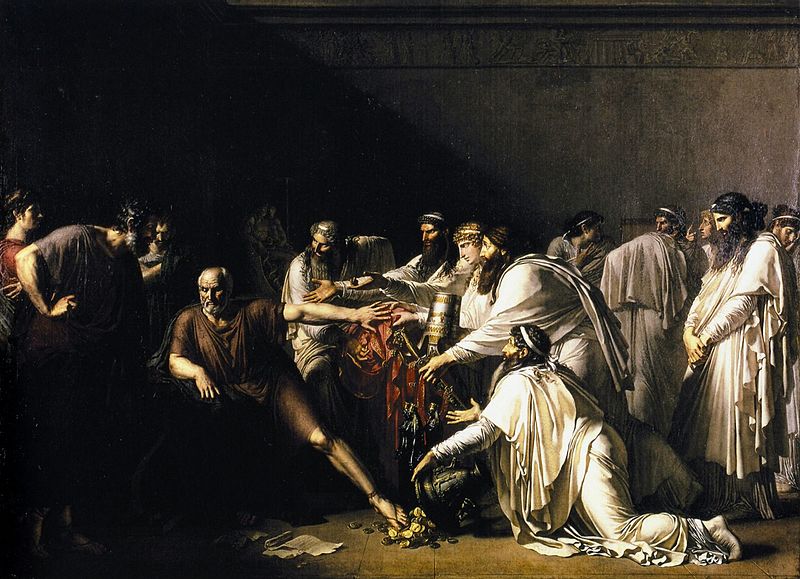
Historical and cultural context of diet
Hippocrates’s work extends beyond medicine, capturing a historical narrative of human interaction with food and framing culinary development as a cornerstone of civilization. His approach also anticipated modern nutritional science. He observed that diets must account for individual variation. Age, strength, health, and environmental factors all influence how food affects the body.
Strong individuals might endure “intense” foods with minimal consequence, while weaker individuals required moderation. Moreover, Hippocrates noted that early humans learned this through experience. The sick were given specially prepared foods that differed from those eaten by the healthy. These insights underscore Hippocrates’ role as a proto-ethnographer of diet, documenting not only what people ate but also why and how foods were adapted to various needs.
Hippocrates’s writings reflect a moral dimension in food history. He emphasized responsibility in selecting and preparing nourishment. Humans must respect their bodies and nature, ensuring that consumption promotes health rather than harm. This perspective frames dietary knowledge as both practical and ethical, presenting nutrition as a deliberate, intelligent practice rather than a matter of chance. By situating food within this ethical framework, Hippocrates anticipates later philosophical discussions on the relationship between humans, nature, and society.
Many of Hippocrates’ principles resonate strongly with modern nutritionists and public health experts. Today, we recognize the significance of individualized diets, the risks of processed foods, and the value of balanced, plant-based nutrition. Concepts such as “functional foods” and “whole foods” echo Hippocrates’ insistence that diet should align with human nature and promote health. Epidemiological studies confirm that excessive consumption of highly processed, energy-dense foods can lead to illnesses, as observed by Hippocrates centuries ago. In this way, modern science validates his observations through biochemical, metabolic, and epidemiological evidence.
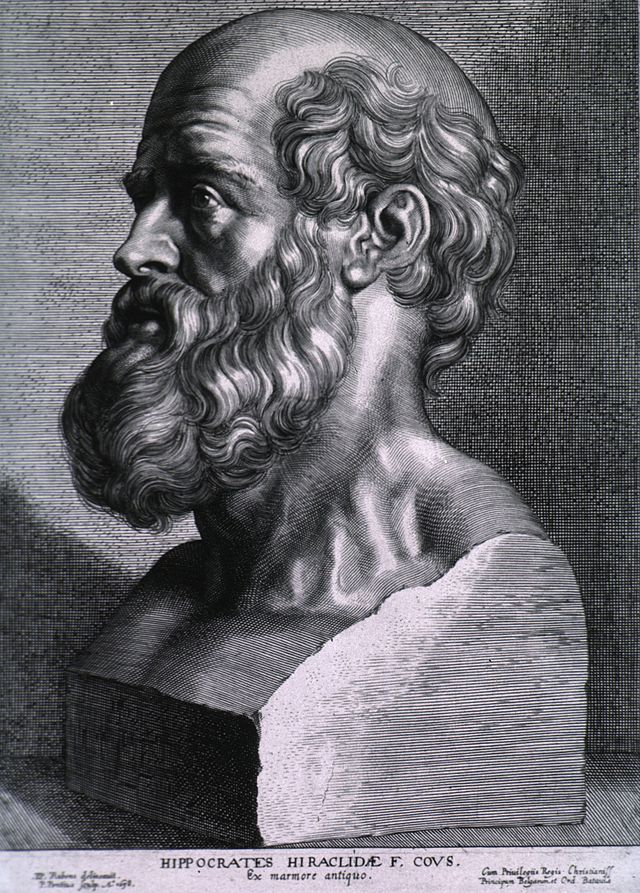
Modern relevance and lasting legacy
Hippocrates’ influence extends far beyond medicine. His methodical observations, commitment to understanding human variation, and emphasis on experiential learning establish him as the first historian of human diet. He recorded the processes by which humans adapted natural resources, experimented with preparation, and refined diets across generations. Additionally, his work traces the historical trajectory of nutrition, offering insight into how early societies managed survival, health, and longevity. In this way, Hippocrates bridges medicine, anthropology, and food history.
Hippocrates’ legacy also demonstrates the interdependence of necessity, observation, and innovation. Human suffering from inappropriate diets led to the evolution of new foods and methods of preparation. Experimentation and adaptation naturally followed from the need to survive and thrive. Hippocrates captures this process with clarity, showing that dietary knowledge is a cumulative historical achievement. Each loaf of bread, each baked cake, and each tempered meal represents insight into human resilience, ingenuity, and an understanding of the body. Through his lens, we see food not merely as nourishment but as a historical record of human intelligence and creativity.
Hippocrates stands as the first food historian because he documented not only the what and how of human diets but also the why. At the same time, modern nutrition and public health continue to reflect many of his insights, demonstrating that the principles he recorded over two millennia ago remain relevant. Hippocrates reminds us that food, health, and history are inseparably intertwined, and his work remains a guide for understanding the past, present, and future of human nutrition.
See all the latest news from Greece and the world at Greekreporter.com. Contact our newsroom to report an update or send your story, photos and videos. Follow GR on Google News and subscribe here to our daily email!

