



Even though archaeology claims that writing was invented in Sumer between 3,000 and 4,000 BC, a tablet that contradicted this perception was found in 1993 in Dispilio in the northern Greek province of Kastoria.
The Dispilio Tablet is a wooden tablet bearing inscribed symbols dated between 7260 BC and 5250 BC. The tablet was discovered in the Dispilio Lake settlement by George Ηourmouziadis, a professor of prehistoric archaeology.
The Dispilio tablet may possibly be an early form of the written word, as similar symbols engraved in clay have been found in the Vinca culture in southern Balkan settlements. The clear symbols on the wooden sign, which some believe resemble those of the ancient Greek alphabet in an early form, are without a doubt some type of communication.
Furthermore, the engraved writing potentially pre-existed Linear B writing used by the Mycenaeans, as they describe activities of Neolithic man and his culture.
Dispilio tablet suggests an early form of communication
Professor Hourmouziadis suggested that such writings, yet to be deciphered, could turn out to be any of a variety of communication forms, including symbols representing counting goods. Unfortunately, we do not have a Rosetta stone to decipher the pre-existing Linear B writing yet.
Similar engraved symbols to those of the wooden sign have been found on small ceramic signs that have also not yet been deciphered.
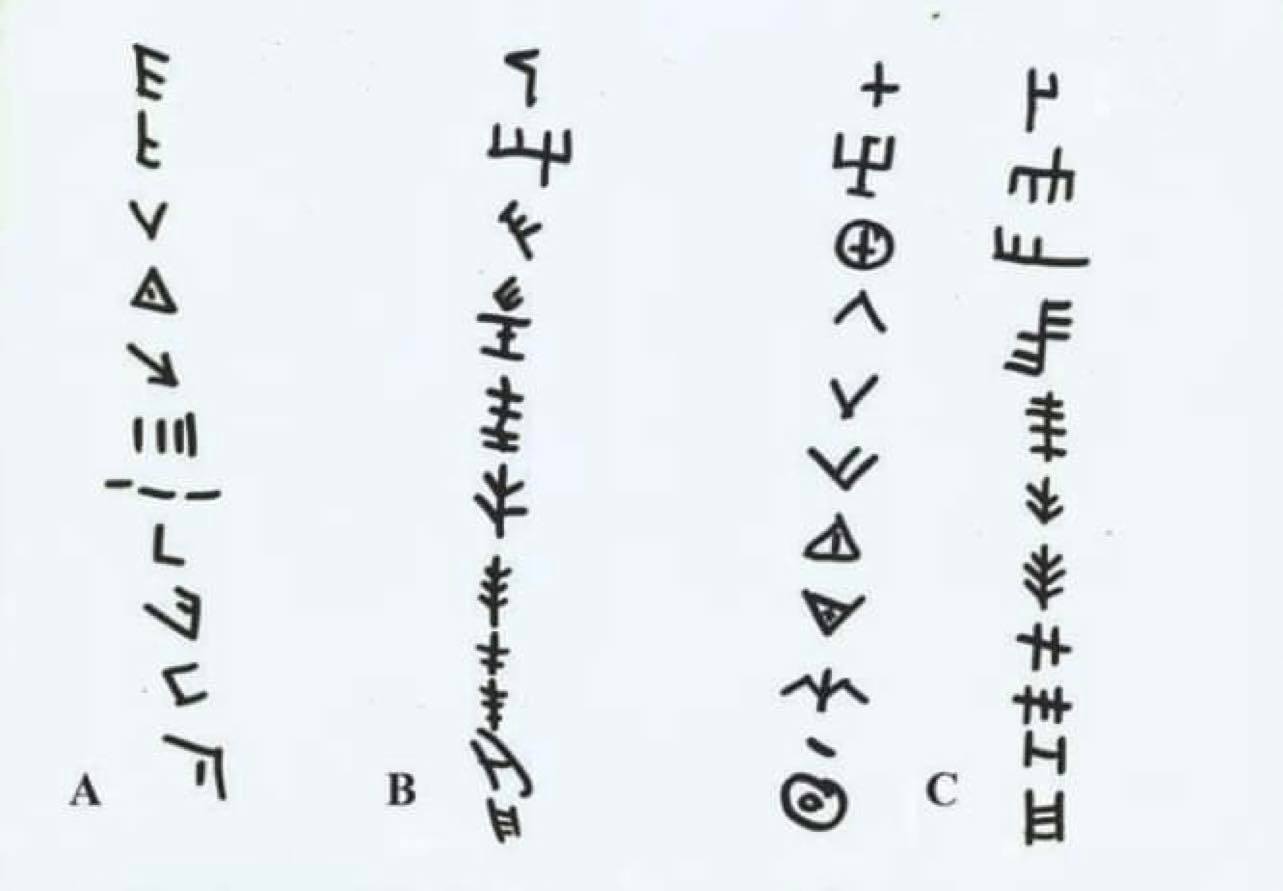
The tablet was partially damaged when it was exposed to the oxygen-rich environment outside the mud and water in which it was immersed for a lengthy period of time. Hourmouziadis passed away in 2013.
Currently, the wooden tablet is under scientific conservation. As of 2021, the full academic study regarding the Dispilio Tablet awaits the completion of conservation work. Then, it will go into the deciphering process.
The lakeshore prehistoric settlement appears to have been occupied over a long period of time from the final stages of the Middle Neolithic era (5,600-5,000 BC) to the Final Neolithic era (3,000 BC).
Conventional history states that these kinds of Neolithic discoveries are merely evidence of proto-writing, communicating limited information rather than proof of an entire language. However, if additional artifacts comparable to the Dispilio tablet emerge, they could completely change the history of writing.
Radiocarbon dating determines age of tablet
To determine the age of the tablet, researchers used the radiocarbon dating method. Yorgos Facorellis, Professor in the Department of Conservation of Antiquities and Works of Art, at the University of West Attica in Athens, Greece, is an expert on the field of “Chemical analysis and dating of archaeological materials.”
The professor spoke to Greek Reporter about the estimated age of the tablet. “We used the radiocarbon dating process…in determining the approximate date of the wooden tablet. We took a piece of the tablet as a sample and the chemical analysis of the 14C showed that it was dated to 5260 ± 40 BC, which was unexpected.”

The radiocarbon dating process uses the decay of a radioactive isotope of carbon (14C) to measure time and date objects containing carbon-bearing material. Detection of 14C is a useful tool for determining the age of organic materials formed over the past 55,000 years.
Facorellis said, luckily, the wooden tablet was found floating on the water. This meant it was underwater for centuries and had not decayed.
Archaeologists and historians believe that deciphering the wooden tablet will be a trove of insight into Greece’s Neolithic people and, more importantly, on the proto-writing language used. The Greek capital letters Delta, Epsilon, and Lambda and the lower case N (ν) might show us that written language existed in Greece 2,000 years before the Kish tablet of Sumer.
The Greek professor also said that symbols similar to those on the Dispilio wooden tablet have been found in the Mykonos Cave written on pumice and in the Gioura Cave of the uninhabited isle north of Alonissos on a ceramic tablet.
Dispilio: Greece’s lakeshore prehistoric settlement
The Dispilio Lakeshore Prehistoric Settlement is one of the most fascinating archaeological sites in northwestern Greece situated next to the city of Kastoria.
Near the modern village of Dispilio, a community close to Kastoria with which they share Lake Orestiada, lies the settlement that holds a great deal of information on prehistoric life in the area.
It is located in Nisi on the southern shore of Lake Orestiada, where archaeologists have discovered thousands of artifacts from the Neolithic Era.
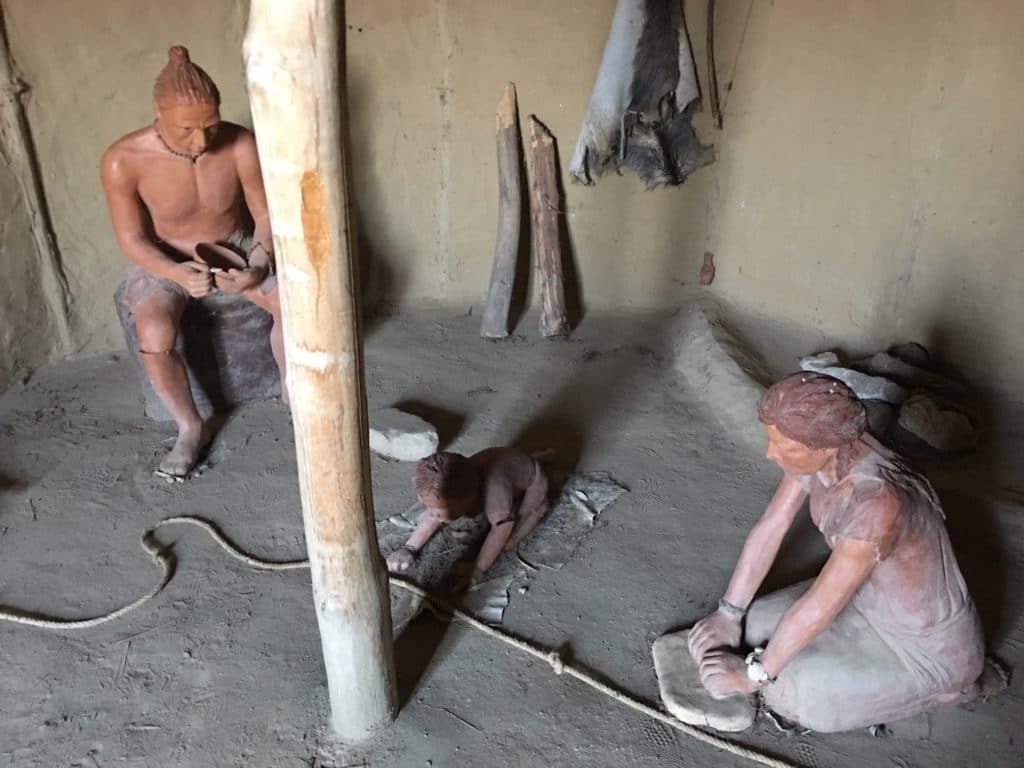
The settlement was discovered during the dry winter of 1932, during which the level of the water was lower than usual. Remains of wooden stakes revealed traces of the settlement at the point that separated a small islet from the shore of the lake.
In 1935, archaeologist Antonios Keramopoulos conducted a preliminary survey of the site. However, excavation was not completed, as World War II was approaching.
A systematic excavation project began decades later in 1992 under Hourmouziadis, professor of prehistoric archaeology at the Aristotle University of Thessaloniki. Archaeologists then finally uncovered the remains of an extensive lake settlement from the Late Neolithic Era, which proved to be one of the most important and oldest of its kind in Europe.
Thousands of objects were found in those excavations, including tools made of stone, bone, and flint along with animal bones, a discovery which shows that the inhabitants engaged in agriculture, hunting, and fishing.
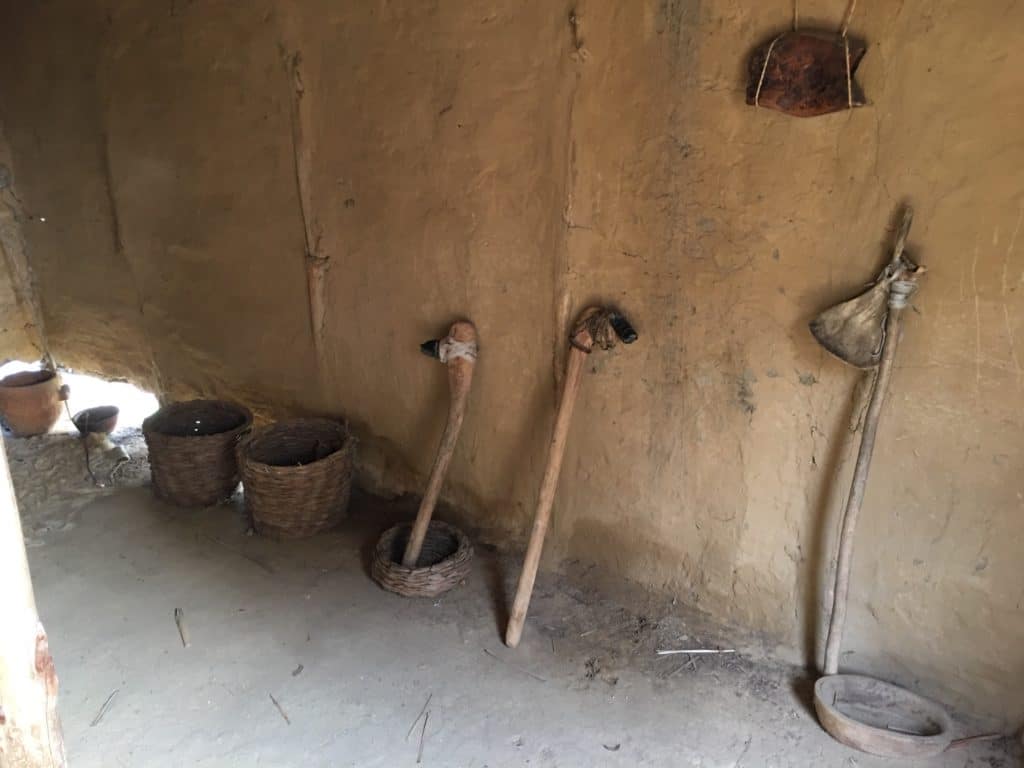
Materials with which the huts were built, such as piles of wood in shapes that indicated construction work, large clay storage jars, and woven baskets, were found at the site.
Ceramics, wooden structural elements, seeds, bones, figurines, and personal ornaments were also found by archaeologists. In addition, several cooking utensils were found—many of them boat-shaped—along with bone and stone jewelry. The most important find of all, however, was a bone flute, which turned out to be one of the oldest musical instruments ever found in Europe.
See all the latest news from Greece and the world at Greekreporter.com. Contact our newsroom to report an update or send your story, photos and videos. Follow GR on Google News and subscribe here to our daily email!

