



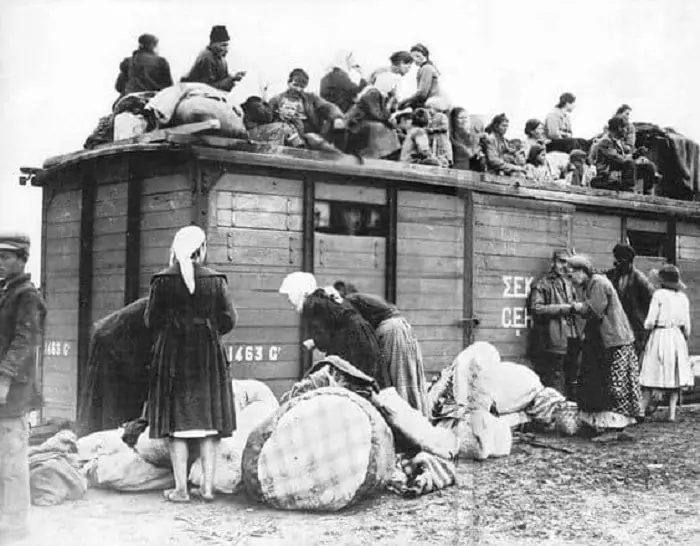
In 1923, as the population exchange between Greece and Turkey separated communities that had lived side by side for generations, two Greek sisters left their home in Honaz, Asia Minor, entrusting some of their most precious belongings to the Turkish family next door.
Eleni and Sofia Minoglou could not have known then that a simple act of trust between neighbors would outlive them both.
Among the belongings they left in their neighbors’ care were their trousseaux—the carefully prepared textiles traditionally gathered for a young woman’s future home. The sisters went on to build new lives in Greece, while their former neighbors in Turkey kept what had been entrusted to them.
Years turned into decades. Eleni and Sofia died, the families grew older, and a new generation inherited not only the belongings, but also the memory of the people who had once lived next door.
Almost three-quarters of a century later, that bond between two families was still alive.
On December 27, 1998, Turkish writer Kemal Yalçın returned the sisters’ belongings to their surviving relatives in Volos after searching for the family in Greece. Eleni and Sofia were no longer there to receive them, but something of the friendship their families had shared in Asia Minor had survived.
It is a story born during one of the most difficult periods in Greek-Turkish history, but its enduring message is a much simpler one: borders may separate people, but they do not necessarily erase the affection, trust and humanity shared between neighbors.
A family leaves Honaz
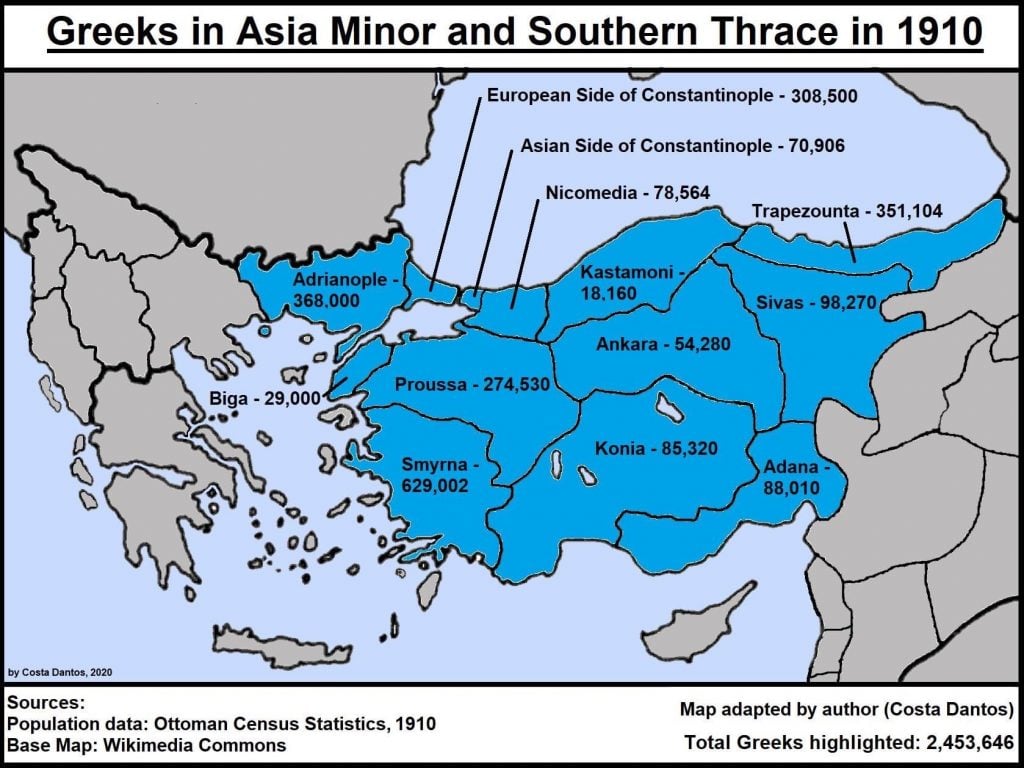
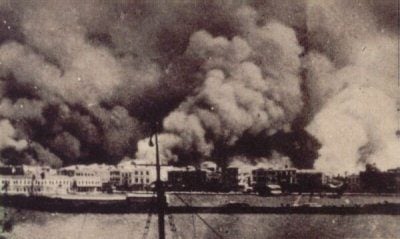
The Minoglou family came from Honaz (Χώναι, Chonae), near Denizli in present-day Turkey. Their hometown was inland, distinct from Smyrna, now Izmir, whose destruction became one of the defining events of the Asia Minor Catastrophe.
The father was arrested and sent to forced labor battalions. His wife and their daughters reached Greece. Before leaving, they entrusted the girls’ trousseaux, which were textiles prepared for their future married lives, to their Turkish neighbors, Kemal Gacaroglu and his wife, Ayşe.
In a 2022 interview with the Greek state-run Athens–Macedonian News Agency, Yalçın recalled his grandmother Ayşe sending bread to the mother and daughters through his father, then a child. When the women left, they brought the belongings to her home for safekeeping.
Their mother hoped the family might return. If they did, the trousseaux were to be given back; if they never returned, she asked that the belongings go to someone poor.
A promise carried across generations
Gacaroglu and Ayşe preserved the trousseaux and passed responsibility for them to their family. Yalçın’s father, Ramazan, later asked his son to find the Minoglous and return what had been left behind.
Yalçın traveled to Greece in 1994 and again in 1996. His search took him to refugee communities, including Grevena, Ptolemaida and Thessaloniki. He also gathered accounts from people in Turkey who had been displaced from Greece.
These histories belonged to the wider upheaval surrounding the 1923 population exchange convention. The agreement required the transfer of Greek Orthodox people from Turkey and Muslims from Greece, with specified exceptions. Its legacy also survives among Greek-speaking descendants of exchanged populations in Turkey.
The trousseaux reach Volos
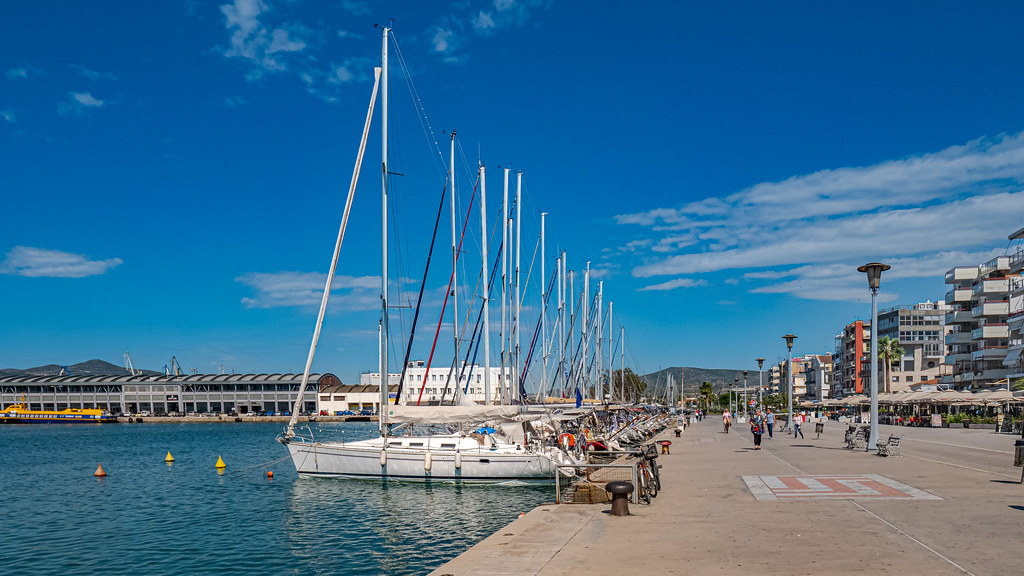
Eventually, Yalçın located surviving Minoglou relatives in Volos. The National Hellenic Research Foundation’s exhibition, Objects in Motion, mentioned that the handover took place on December 27, 1998, with Giannis Minoglou and his family being the recepients.
Kemal Yalçın detailed this extraordinary story in his book Emanet Çeyiz (Semanet Trousseau / An Unclaimed Dowry), which was initially published in Turkish before being translated into Greek and several other languages.
Celebrated for its powerful message of reconciliation between Greece and Turkey, the work received the prestigious Abdi İpekçi Peace and Friendship Prize in both Greece and Turkey, as well as official recognition from the Turkish Ministry of Culture.
See all the latest news from Greece and the world at Greekreporter.com. Contact our newsroom to report an update or send your story, photos and videos. Follow GR on Google News and subscribe here to our daily email!

