



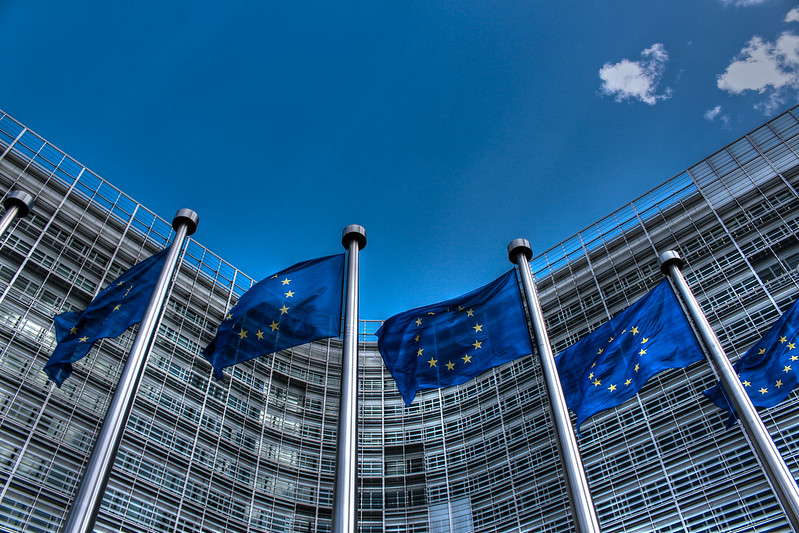
Greece is pressing for a stronger EU budget as European governments confront mounting costs from security threats, economic competition and migration while negotiating the bloc’s next seven-year spending plan. Deputy Foreign Minister Tasos Chatzivasileiou said Europe needs greater financial capacity and targeted joint borrowing as geopolitical strains coincide with an “unprecedented technological and industrial transformation.”
The comments came as European affairs ministers met in Brussels on Tuesday to discuss the EU’s 2028-2034 Multiannual Financial Framework. The European Commission has proposed a package worth almost 2 trillion euros ($2.29 trillion), equal to about 1.26% of the bloc’s average gross national income over the period.
Chatzivasileiou said the debate should not be reduced to “who contributes and who receives.” Instead, he said Europe should consider how its resources can give the bloc “more leverage across the broader neighbourhood.”
Greece pushes for a stronger EU budget as spending pressures grow
The Greek position is backed by the “Friends of Cohesion” group, which Greece hosted for talks in Brussels a day before the ministerial meeting. The countries argue that Europe needs enough funding for newer priorities without weakening established programs supporting regional development, agriculture and fisheries. Greece has described adequate financing as essential if the EU wants to become more competitive, secure and resilient.

That approach conflicts with Germany, Denmark, Finland, the Netherlands and Austria, which have called for cuts of several hundred billion euros from the Commission proposal. Those governments say the plan places too much emphasis on preallocated subsidies and transfers and should focus more heavily on security, defense, competitiveness, innovation and irregular migration.
Greece is also supporting alternatives to relying solely on larger national contributions. Chatzivasileiou has backed joint borrowing in targeted areas and raised the possibility of using proceeds linked to future 5G and 6G spectrum arrangements to support the EU budget. Greek Finance Minister Kyriakos Pierrakakis had outlined the spectrum concept in July as a possible European revenue source.
War, technology and migration shape the budget fight
The dispute comes as Europe faces overlapping demands from the war in Ukraine, higher defense requirements, energy security, technological competition and migration. The Commission has cited security, defense, competitiveness, migration, energy and climate resilience among the challenges shaping its proposed budget.
Migration is also part of Greece’s financing argument. Chatzivasileiou said separately that Europe must “find the adequate resources” if governments pursue new migration measures, including proposed offshore return hubs.
For Greece, the central argument is that Europe’s expanding responsibilities require financing to match them. For several major net contributors, the answer is instead to restrain the overall package and redirect spending. That divide remains at the center of negotiations over the budget scheduled to begin in 2028.
See all the latest news from Greece and the world at Greekreporter.com. Contact our newsroom to report an update or send your story, photos and videos. Follow GR on Google News and subscribe here to our daily email!

