


Washingtonia, a bold agricultural experiment in Greece, was the brainchild of American physician and Philhellene Dr. Samuel Gridley Howe.
In 1824, just after earning his medical degree, Howe became enamored with the Greeks’ fight against their Ottoman oppressors, inspired perhaps by the Romantic poet hero, his idol Lord Byron. Once in Greece, however, his services were not confined to surgery. Fighting for the Greek cause was so much a part of him that his bravery, enthusiasm, and ability as a commander — as well as his humanity — soon won him the title “the Lafayette of the Greek Revolution.”
After engaging in many campaigns, Howe returned to the United States in 1827 to raise funds and supplies to help alleviate the desperate famine and widespread suffering in Greece caused by the war, laying the groundwork for his later project, Washingtonia.
Washingtonia, Howe’s bold agricultural experiment in Greece
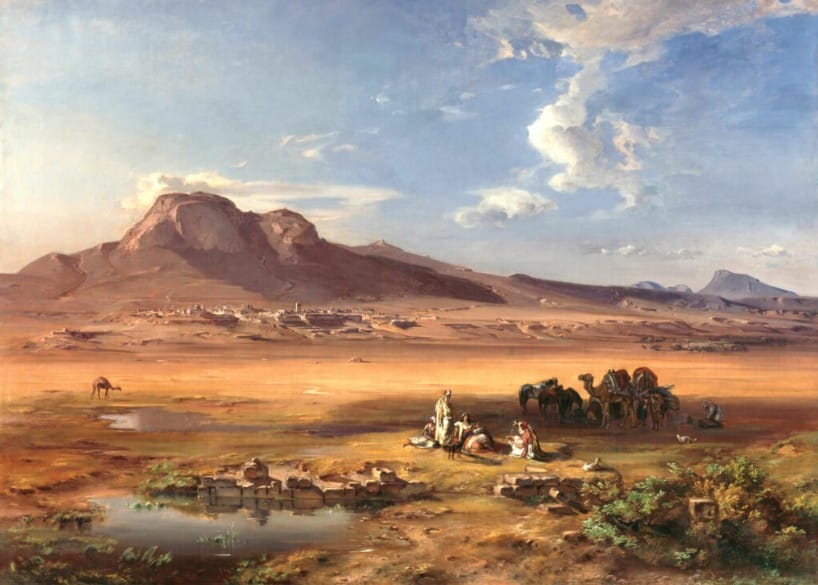
Working alongside American committees, Howe financed an ambitious plan for rural reconstruction: the creation of a model community known as “Washingtonia” in Greece. Howe’s vision was to build an agricultural colony from the ground up—one dedicated to introducing modern farming techniques and crops previously unknown to the region.
Recognizing the project’s potential, Governor Ioannis Kapodistrias granted Howe land near Corinth, further supporting the initiative by offering a five-year tax exemption. Howe assembled a small team of trusted advisors, including the renowned English historian George Finlay. They settled just outside Examilia in Corinth, where they established the community of Washingtonia. The American plan was structured as follows:
- Initial settlement: The project aimed to house one hundred Greek farming families.
- Modern education: American agricultural experts were brought in to train this core group, hoping they would serve as a model to attract further settlers.
- Technological innovation: Experts imported Belgian plows and other advanced machinery to modernize local labor.
Turmoil and decline
The success of Washingtonia was short-lived. Between 1830 and 1831, political unrest erupted, turning the Corinthian countryside into a battlefield. The subsequent assassination of Kapodistrias proved fatal for the project; the succeeding Bavarian Regency showed no interest in maintaining the US-led initiative.
Without government support or regional stability, Washingtonia gradually declined until it was permanently dissolved. The abandonment of the project was a major disappointment for the American Philhellenic societies, which had raised significant funds with the hope of spearheading Greece’s agricultural rebirth.
Related: Philhellene Samuel Gridley Howe in the Greek War of Independence
See all the latest news from Greece and the world at Greekreporter.com. Contact our newsroom to report an update or send your story, photos and videos. Follow GR on Google News and subscribe here to our daily email!

