



Greece has started installing floating barriers along beaches in the Euboea region to protect swimmers from jellyfish and a growing population of toxic pufferfish. The first barrier went up last month in Chalkida, and officials plan to extend the network to several nearby towns this summer.
The pufferfish, known scientifically as Lagocephalus sceleratus, has teeth strong enough to bite through bone, metal, and wood. In June, the Greek Red Cross urged anyone bitten by the fish to seek emergency medical care, warning that its jaws can cause deep wounds and heavy bleeding.
Its organs and flesh also contain tetrodotoxin, a poison with no known antidote that can be fatal if eaten. Last week, an elderly woman swimming near Varkiza, close to Athens, needed stitches after one of the fish bit her.
Toxic pufferfish threat pushes Greece to expand floating barriers against jellyfish
The species is native to the Indian Ocean and is believed to have reached the Mediterranean through the Suez Canal as sea temperatures rose.
It has been present in the region since as early as 2003, and its population has grown significantly in recent years, spreading to Rhodes and as far west as Italy and Spain.
The deputy mayor of Chalkida said that protecting residents was the priority behind the barrier project. He said that the barriers are made of weighted netting anchored to the seabed, with floats that rise above the surface.
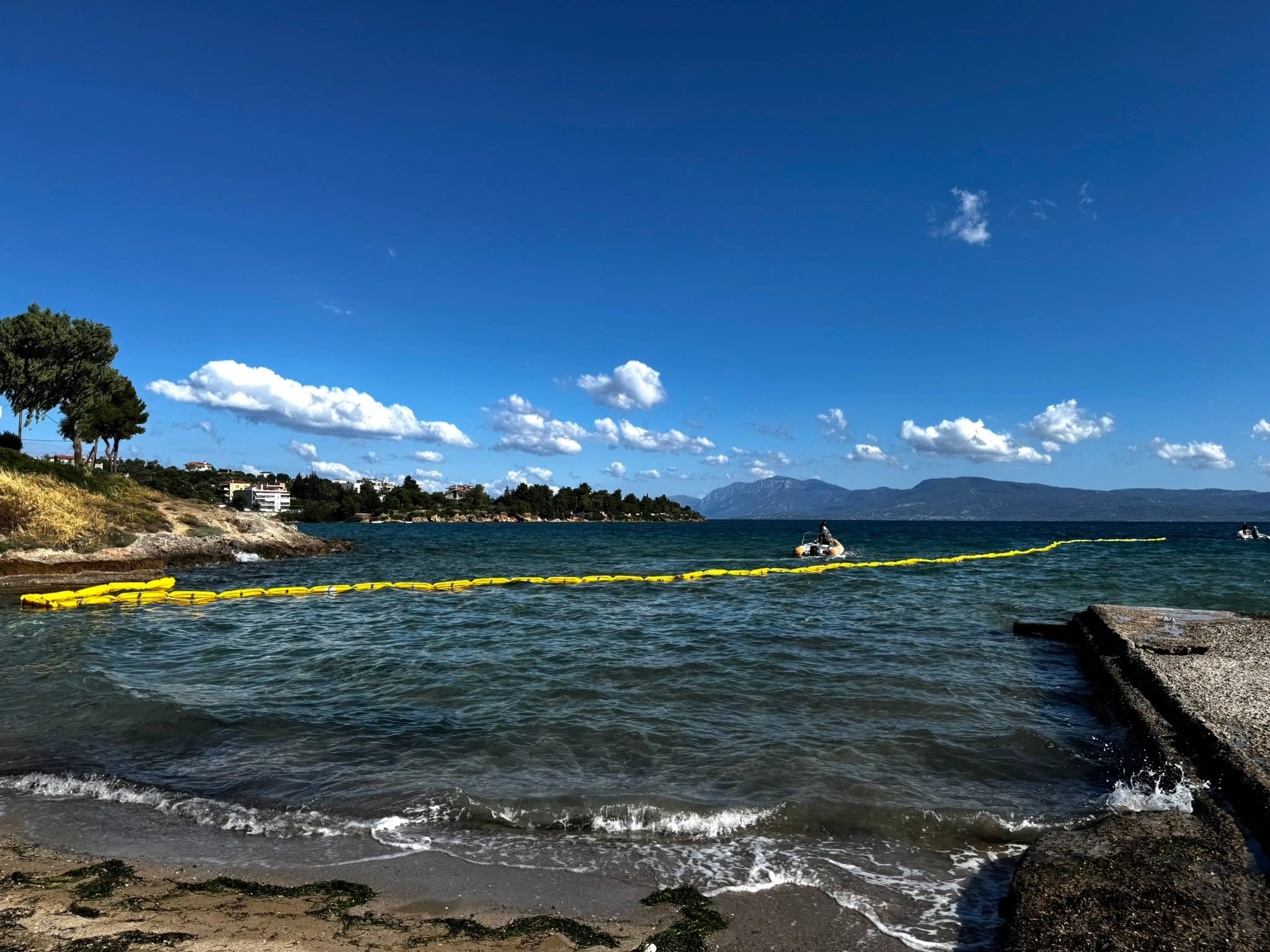
Officials in Greece said that the floating barriers block jellyfish, pufferfish, and floating debris from reaching swimming areas. The first stage of the project, covering six beaches, cost about 367,000 euros ($418,000).
To fight the spread of the fish, Cyprus introduced a bounty program in 2024 that has removed more than 103 tonnes of pufferfish from its waters. Greece launched a similar program last week, paying about 5.33 euros per kilogram collected ($2.76 per pound).
Fishermen will also receive fuel subsidies under an EU-funded plan starting in Crete and the southern Aegean.
Marine experts and fishermen split over removal efforts
Not everyone agrees that the threat is severe. Ioannis Batjakas, a marine scientist at the University of the Aegean, said that reports of attacks are exaggerated and that the fish rarely bite unless provoked.
A group calling itself the Initiative to Save Pufferfish has also criticized the removal campaigns, arguing the species deserves protection rather than elimination.
Local fishermen said that the bounty program will not help much, since warming waters will likely keep drawing the fish toward Greek shores regardless of removal efforts.
See all the latest news from Greece and the world at Greekreporter.com. Contact our newsroom to report an update or send your story, photos and videos. Follow GR on Google News and subscribe here to our daily email!

