



Greece is planning to repay about €13 billion ($15.1 billion) more of its bailout-era debt ahead of schedule, extending a remarkable financial turnaround that has taken the country from the center of Europe’s sovereign debt crisis to borrowing at lower long-term rates than the United States.
The planned repayment would further reduce loans dating back to Greece’s first international bailout and accelerate Athens’ efforts to clear the remaining debt years before its original maturity schedule.
The news follows Greece’s early repayment of €6.9 billion ($8.05 billion) to its Eurozone partners in June. Greece is now seeking to eliminate the remaining bilateral loans from the first bailout by 2031, about a decade earlier than originally scheduled, reports say.
Greece moves further away from bailout era
The €13 billion repayment plan marks another step in Greece’s effort to shed the legacy of the financial crisis that pushed the country into three international bailout programs. In June, the European Stability Mechanism and European Financial Stability Facility approved waivers allowing Greece to make additional early repayments to lenders under the Greek Loan Facility without requiring proportional early repayment of ESM and EFSF loans.
That opened the way for Athens to accelerate payments on debt dating back to the first rescue package, while continuing to service its other long-term obligations. The significance is partly financial and partially symbolic. During the worst years of the Eurozone crisis, Greece was effectively shut out of normal international borrowing markets and became dependent on emergency loans from its European partners and the International Monetary Fund. Today, the government is using its improved fiscal position to pay some of those debts off early.
Greece’s borrowing costs are below US yields
The turnaround becomes even more striking when viewed against the latest developments in US bond markets. On August 18, the yield on the US 30-year Treasury climbed to about 5.33 percent, its highest level since 2007, as investors reacted to geopolitical tensions, rising oil prices and concerns over inflation, and the growing burden of US government borrowing. The US ten-year yield was also around 4.74 percent.
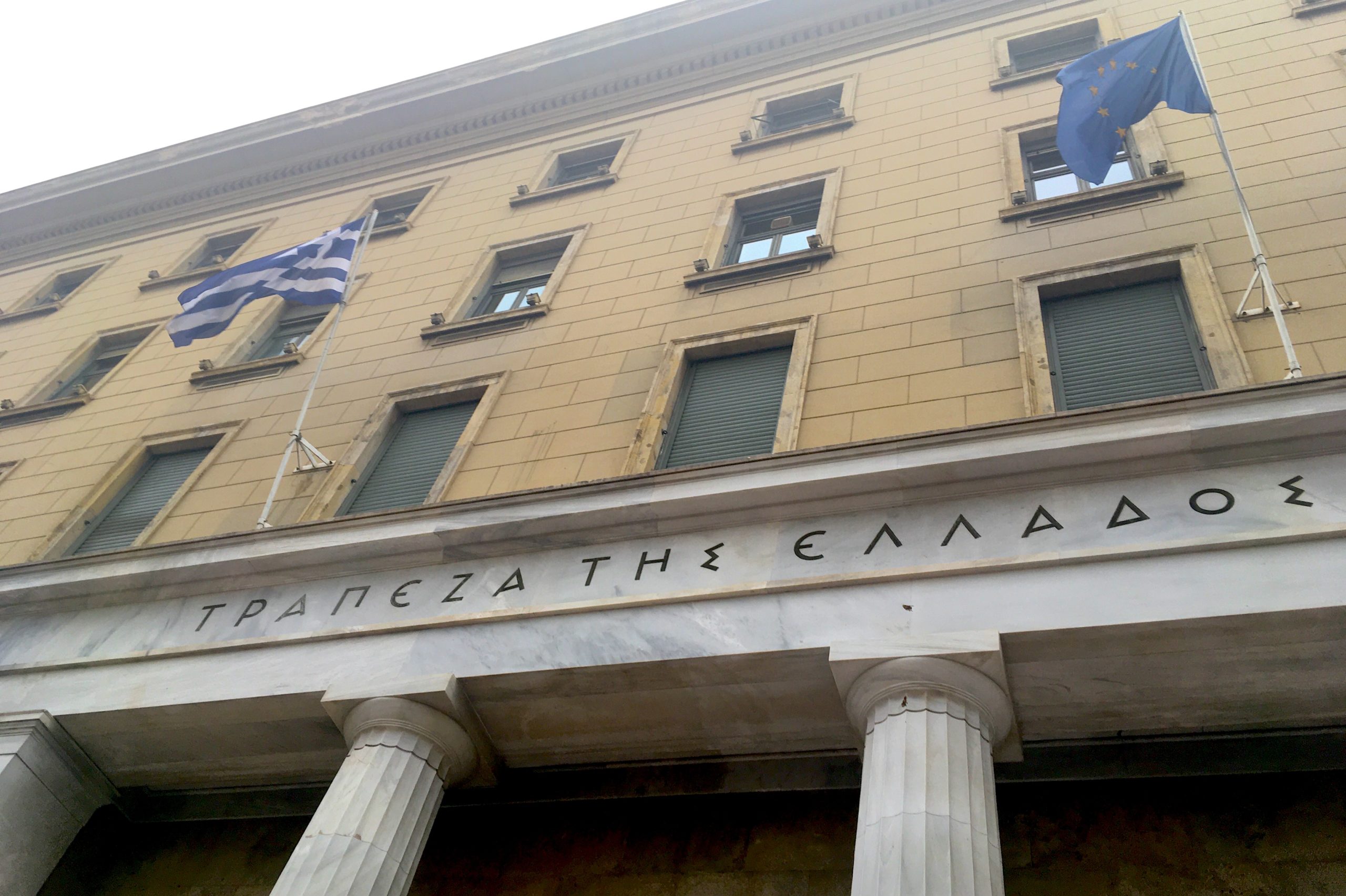
By comparison, the Bank of Greece’s benchmark data showed Greece’s ten-year government bond yield at 3.90 percent and its thirty-year yield at 4.55 percent on July 24, the latest data currently available on the central bank’s benchmark table. The trading dates are not identical, and the comparison should not be interpreted as a perfect like-for-like snapshot. Greece and the United States have vastly different economies, currencies, and roles in global financial markets.
However, the broad contrast remains extraordinary: Greece, once the Eurozone’s most troubled sovereign borrower, has recently been financing itself at lower benchmark long-term yields than the United States. The difference is especially notable at the ten-year maturity, where Greek yields were about 84 basis points below US yields based on the latest available figures.
A long way from the debt crisis: Greece and early debt repayment
The comparison would have been almost unimaginable during the country’s debt crisis. Greece’s borrowing costs soared as investors lost confidence in the country’s ability to service its debt, eventually forcing Athens to seek international assistance. Years of austerity, recession, and political turmoil followed, while hundreds of thousands of Greeks left the country during the economic crisis.
Greece’s public debt remains high by European standards, and lower bond yields do not mean its long-term economic challenges have disappeared. Demographic pressures, productivity, and investment remain major concerns. Nevertheless, Greece’s relationship with financial markets has changed dramatically. The country has regained investment-grade status from the major credit rating agencies and steadily improved its fiscal position. Its ability to make early repayments is another indication that the government is seeking to use that improvement to reduce the burden of old bailout obligations.
Paying down the past
The planned €13 billion debt repayment would build on the €6.9 billion Greece repaid early in June and move the country closer to its goal of clearing the remaining loans from the first bailout by 2031. That does not mean Greece will be debt-free. The country still has substantial obligations extending decades into the future. But Athens is steadily removing one of the most politically and economically significant remnants of the crisis.
Less than two decades after Greece became synonymous with sovereign debt turmoil, it is now preparing to repay another €13 billion of bailout-era debt early. At the same time, investors have recently demanded lower yields to lend to Greece over the long term than they have from the United States. The two developments are not directly connected. However, together they illustrate the scale of Greece’s financial reversal—from a country dependent on international rescue packages to one actively paying down its bailout debt ahead of schedule.
Related: Banks Boom, Workers Struggle in Greece’s Uneven Economy
See all the latest news from Greece and the world at Greekreporter.com. Contact our newsroom to report an update or send your story, photos and videos. Follow GR on Google News and subscribe here to our daily email!

