



Researchers have uncovered new details about how ancient Greeks cremated their dead nearly 3,000 years ago, using bone samples from two burial grounds in the region of Macedonia in northern Greece.
The study, published in the Journal of Archaeological Science: Reports, examined remains from Polichni and Nea Philadelphia, two cemeteries near Thessaloniki dating to the Early Iron Age.
Lead author Vasso Papathanasiou, of the School of History and Archaeology at Aristotle University of Thessaloniki, led a team that studied burned bones from 14 urns at Polichni and 15 urns at Nea Philadelphia.
The burials date between roughly 1050 and 700 BC, a period when cremation became more common across the region alongside the older practice of burying bodies whole.
How ancient Greeks cremated their dead at scorching temperatures
The team used two lab methods to study the bones: infrared spectroscopy and isotope analysis. These tests show how hot the fires burned and how much oxygen reached the flames.
The results point to very high burning temperatures, likely above 700 degrees Celsius (1,292°F). That level of heat points to skilled fire management by the people who built and tended the funeral pyres.
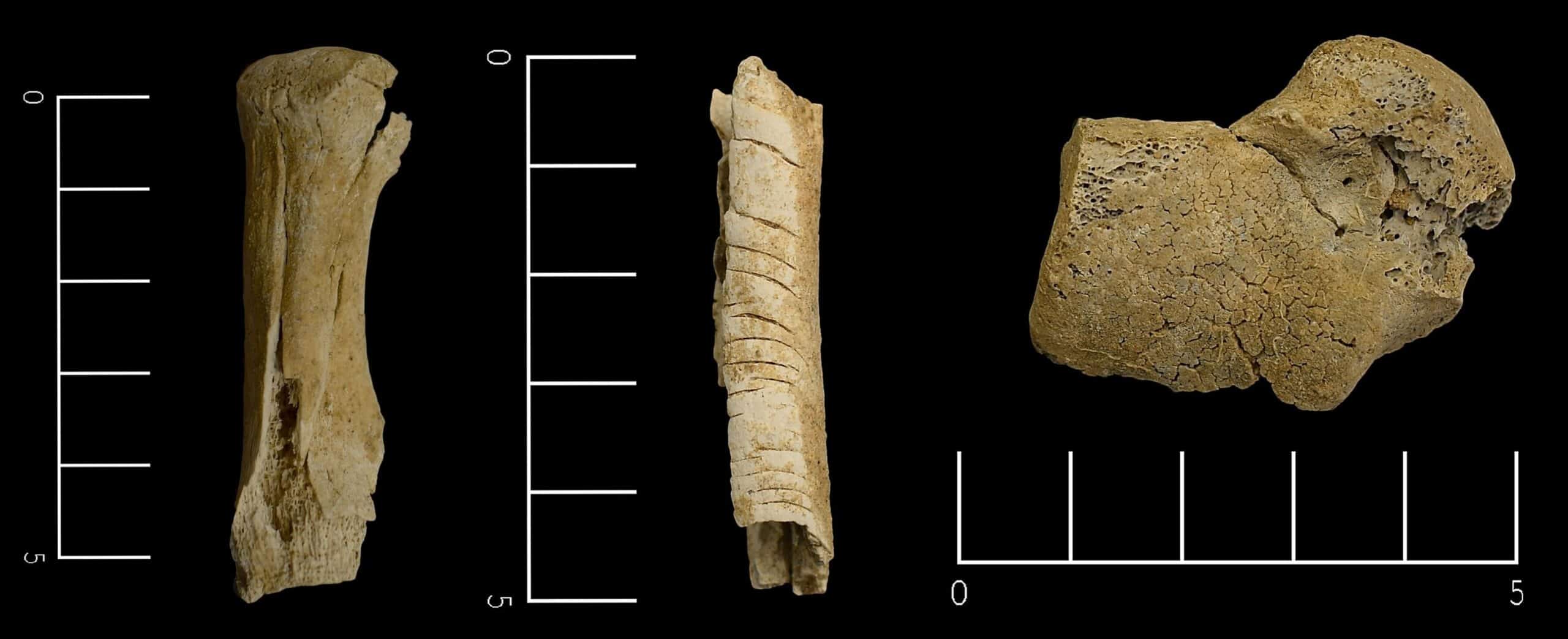
Burning conditions stayed fairly steady within each cemetery. Temperature, fuel type, and oxygen levels matched closely from one grave to the next. Men and women showed almost no differences in how they were burned, with one exception.
At Polichni, a compound called cyanamide turned up only in female remains. Researchers say this may point to differences in clothing, with women possibly wearing thicker or additional layers of garments during cremation, which would have changed the burning environment around the body.
Double burials and shared rituals link two ancient cemeteries
The study also looked at double burials, where two people shared a single urn. In one case, an adult and an infant showed nearly identical burning signatures, suggesting the two were placed on the same pyre.
In another case, involving an adult and a teenager, the readings differed sharply. Researchers say it points to separate pyres, with age at death possibly shaping decisions about pyre size and how much wood was used.
Comparing the two cemeteries, the team found strong similarities in cremation methods. Papathanasiou and colleagues say this suggests neighboring communities shared both technical knowledge and cultural traditions when it came to preparing the dead for burial.
When compared to Iron Age sites in Italy and Belgium, the Macedonian bones showed different oxygen readings, which researchers link to the region’s coastal location and its effect on airflow during burning.
The findings mark one of the first studies to combine chemical and physical evidence from cremated bones in Greece, adding fresh detail to a funerary practice that ancient Greeks used for centuries before it became closely tied to elite burial customs in later periods.
See all the latest news from Greece and the world at Greekreporter.com. Contact our newsroom to report an update or send your story, photos and videos. Follow GR on Google News and subscribe here to our daily email!

