



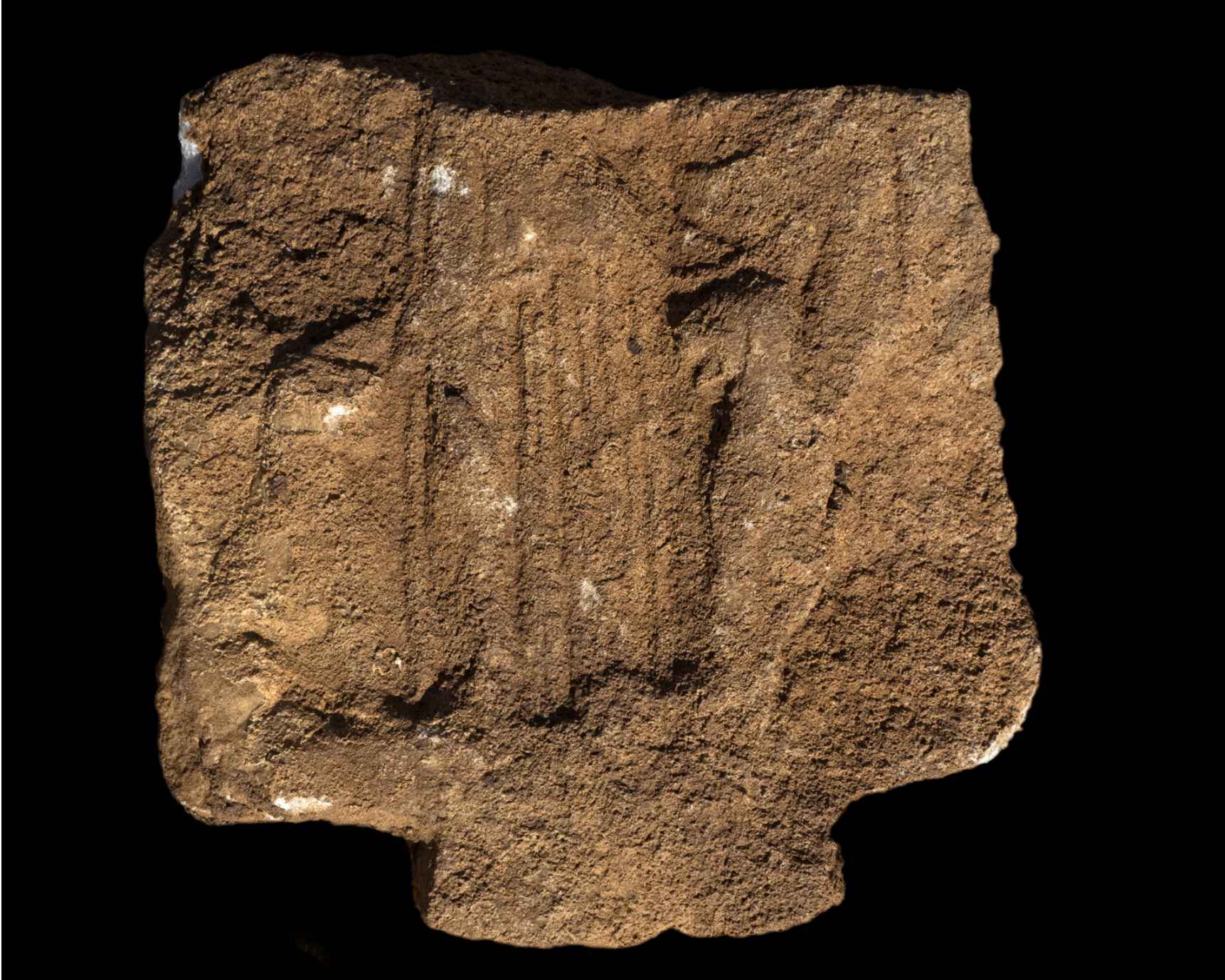
A broken stone stele discovered beside an ancient road in western Turkey may mark the site of a previously unknown Hellenistic sanctuary dedicated to Kybele, the ancient Mother Goddess worshipped across Anatolia and the Mediterranean world.
The artifact was uncovered in Çayağzı village in İzmir’s Kiraz district, a region within the fertile Küçük Menderes Valley of ancient Lydia. The valley once connected major settlements including Ephesos, Hypaipa, Palaiapolis, and Philadelphia, now modern Alaşehir.
The discoveries were examined in a study by Ali Özkan, who investigated a group of Hellenistic remains from the area, including the Kybele stele, a nearby tomb, and two defensive structures overlooking ancient routes through the valley.
Stele suggests worship outside major cities
Archaeologists identified the stele during a rescue investigation conducted by the Ödemiş Museum in 2017 after reports of illegal digging near the site.
Although the upper section of the marble stele is broken and heavily worn, enough details remain to identify the figure as Kybele. Researchers said the goddess appears standing in traditional dress with lions beside her, a common feature of the “Ephesos type” of Kybele votive steles produced in western Anatolia during the Hellenistic period.
The location of the artifact makes the discovery especially significant. Unlike religious objects recovered from urban temples, the stele was found in a rural setting near a stream and an ancient roadway. Researchers believe the object may have belonged to an open-air sanctuary used by travelers and local farming communities.
Kybele was closely associated with fertility, protection, and the natural world. Her worship often appeared in mountains, caves, and countryside shrines across Anatolia.
Tomb and ceramics reveal wider connections
Near the stele, archaeologists documented a rectangular tomb dated to the 2nd century BCE. Despite damage caused by looting, the burial still contained human remains and several ceramic vessels, including two unguentaria and a lagynos.
Researchers said the lagynos resembles pottery linked to the Pergamene artistic tradition. Traces of pigment on the vessel suggest it may once have carried painted decoration, pointing to cultural and trade connections between rural communities in the valley and larger Hellenistic centers.
Fortifications guarded routes through the valley
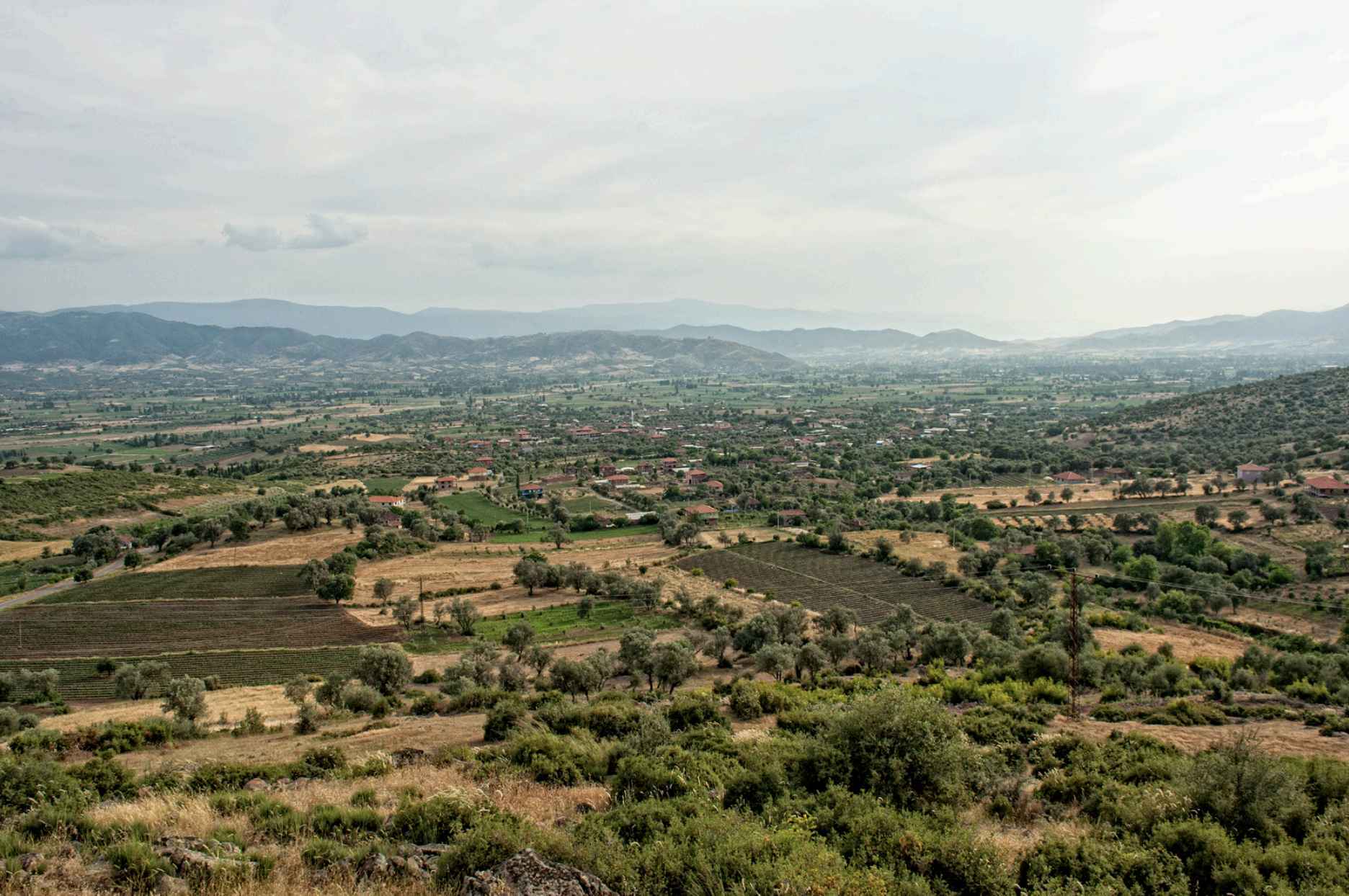
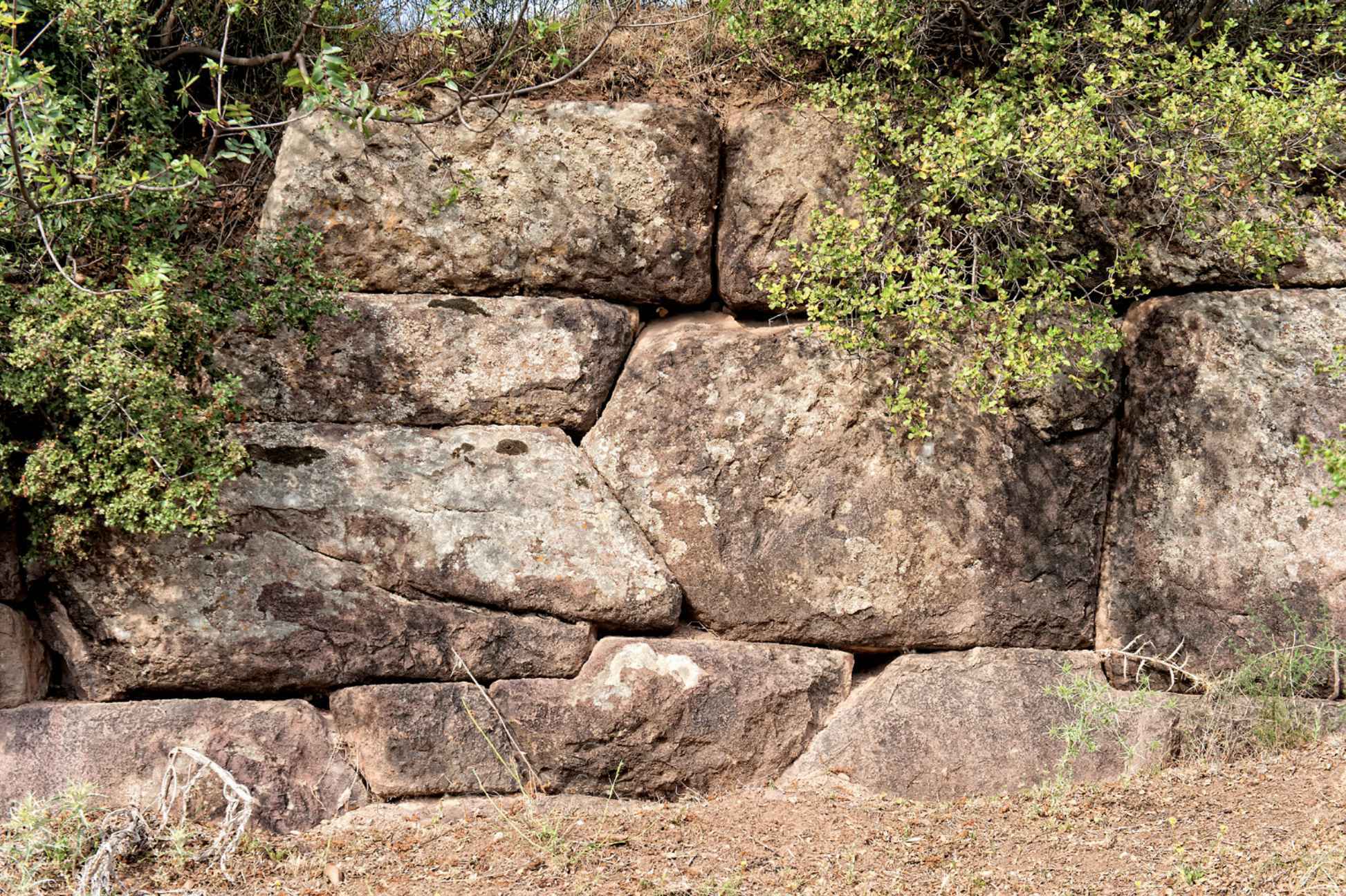
The study also examined two fortifications at Karaburç and Çayağzı, located roughly 2 kilometers apart. Built on elevated positions overlooking the Kilbos plain, the structures likely monitored roads leading toward Philadelphia and other settlements.
Architectural features date the fortifications broadly between the 3rd and 2nd centuries BCE, a period marked by conflict among rival Hellenistic kingdoms following the death of Alexander the Great.
Together, the discoveries suggest the Kiraz region was not an isolated rural zone, but a strategically important landscape shaped by religion, agriculture, trade, and military activity more than 2,200 years ago.
See all the latest news from Greece and the world at Greekreporter.com. Contact our newsroom to report an update or send your story, photos and videos. Follow GR on Google News and subscribe here to our daily email!

