



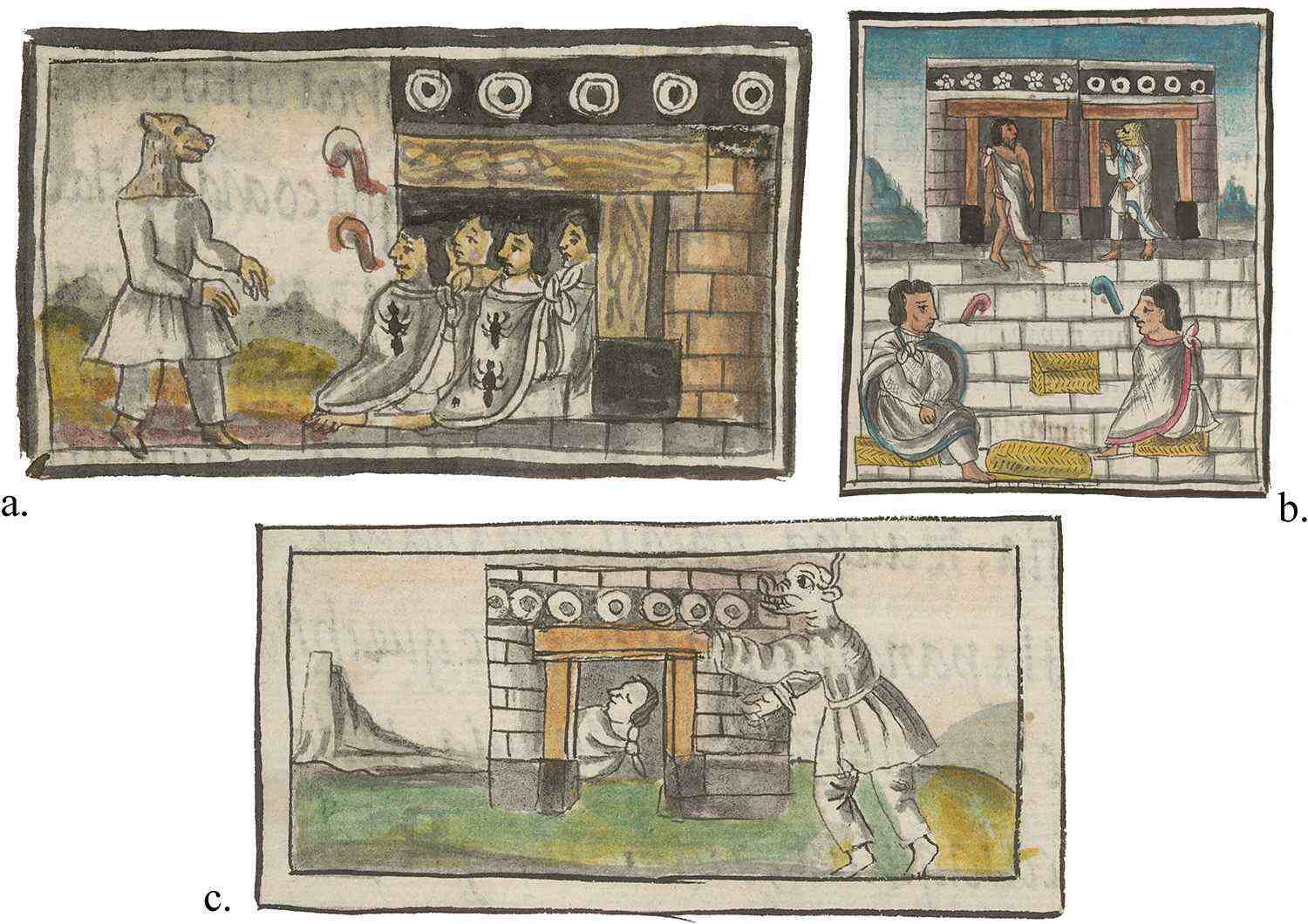
New research says that ancient Oaxaca‘s ritual transformation practices were not theatrical performances but genuine shifts in identity rooted in a belief system where humans, animals, deities, and ancestors were never truly separate. A study published in Latin American Antiquity reframes how scholars understand one of Mesoamerica’s most enduring religious traditions.
Jeffrey S. Brzezinski of the University of Colorado Boulder led the research, which draws on nearly two centuries of archaeology, Indigenous history, and ethnography from the Formative period in Oaxaca, dating from 2000 BC to AD 250.
At the heart of the study is a distinction between two concepts: impersonation and embodiment. Researchers argue that calling ritual specialists mere “impersonators” misrepresents what actually happened.
When a practitioner put on a mask or costume, the act was understood as a true merging with another being. That person did not pretend to become a rain deity. That person became one.
When wearing a mask was more than just acting
This belief connects closely to nagualism, the practice of shape-shifting and accessing hidden knowledge across spiritual planes. Alongside it was the concept of the tonal, a life force linking each person to an animal counterpart. Researchers say controlling these forces was part of what separated rulers and ritual specialists from ordinary people.
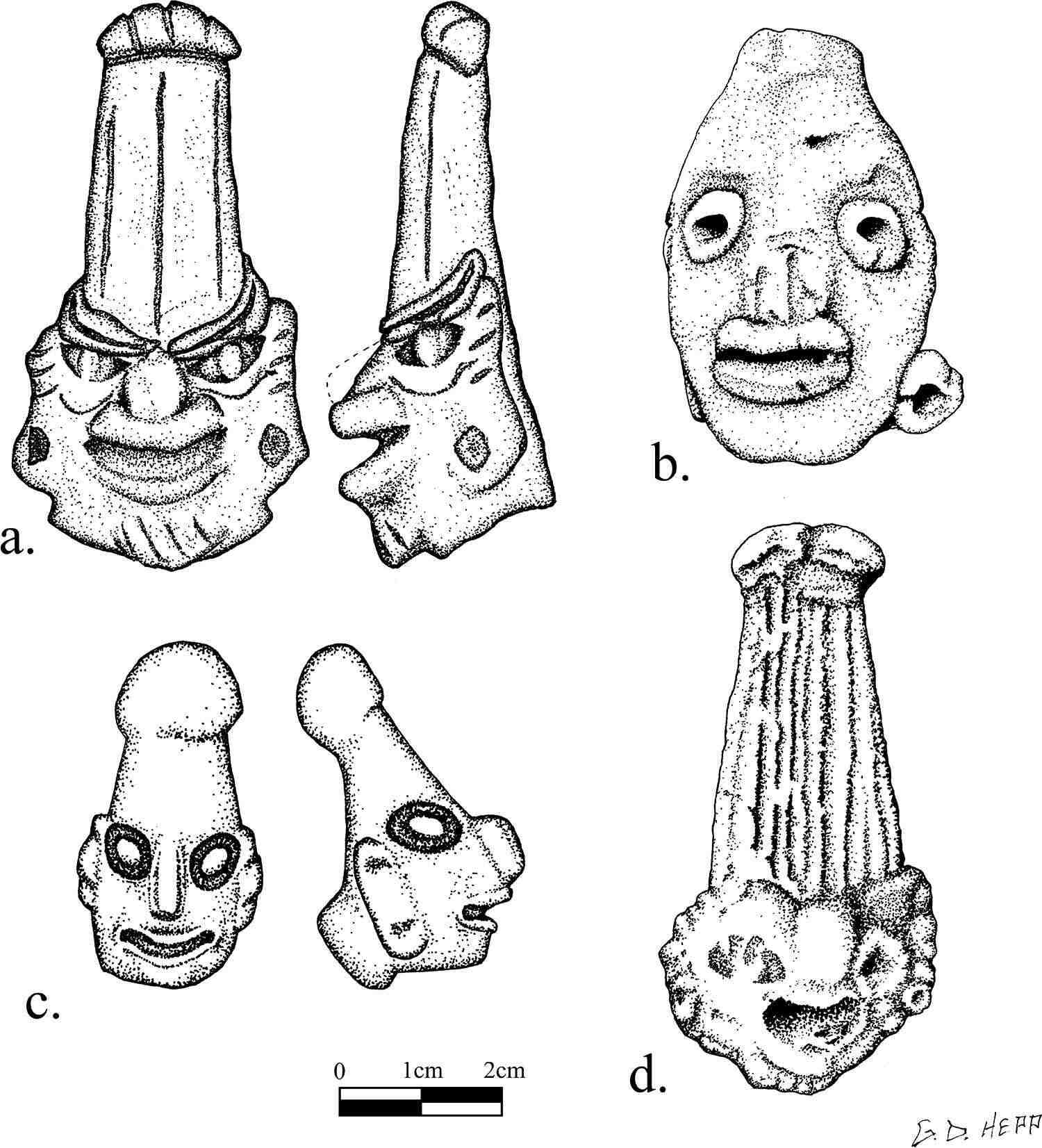
The archaeological record supports this. At La Consentida, a coastal Oaxacan site, early figurines and ceramic masks suggest ritual specialists used music, masking, and performance to cross ontological boundaries. Playing a bird-shaped instrument, researchers explain, was not just music. It was a way of becoming the bird.
At San Jose Mogote, a buried cache beneath a building floor depicted a noble transforming into a “Cloud Person” capable of opening a cosmic granary to bring rain. A burial at Yugüe included an iron ore mirror and a carved deer bone flute showing a figure with a fleshed body and skeletal torso, linking music, death, and the rain deity complex.
At Cerro de la Virgen, a Chatino site, a bundled offering beneath a temple combined a rain deity mask, miniature thrones, an ancestor figurine, and pottery, all working together to petition agricultural fertility.
Ancient Oaxaca’s ritual transformation leaves a clear material record
Figurine styles themselves changed over time. Early examples were mostly human in form. Later ones increasingly depicted animals, hybrid figures, and beings mid-transformation, reflecting a diversification of how these beliefs were expressed in material culture.
Researchers place Oaxaca within a wider Mesoamerican tradition. The Olmec used jaguar imagery to depict rulers merging with animal and divine forces. Pacific slope communities adapted these motifs, with monuments at Takalik Abaj literally showing a human figure emerging from a jaguar’s open mouth.
Preclassic Maya builders scaled the practice to entire temple facades, turning pyramids into animate beings with gaping mouths and zoomorphic features.
Olmec jaguars and Maya temples echo the same worldview
The study also acknowledges the damage done by Spanish colonization, which attempted to erase these belief systems by labeling them devil worship. Researchers note that despite this, the tradition never fully disappeared. Calendrical ceremonies and masking practices continue in Oaxaca today.
Brzezinski and his colleagues conclude that modern scholarship has long imposed a Western framework that separates humans from nature onto a worldview that never accepted that division. The ancient Oaxacans, researchers say, always understood their world as animated, relational, and alive.
See all the latest news from Greece and the world at Greekreporter.com. Contact our newsroom to report an update or send your story, photos and videos. Follow GR on Google News and subscribe here to our daily email!

