



DNA has identified three more Franklin expedition skeletons found at Erebus Bay, giving names to sailors who died during the doomed 1845 search for the Northwest Passage. The study, led by Douglas R. Stenton of the Department of Anthropology at the University of Waterloo, was published in “Journal of Archaeological Science: Reports.”
Researchers identified the men as William Orren, David Young, and John Bridgens. All three served on HMS Erebus. Their remains were found at or near three archaeological sites on the southwest coast of King William Island in Nunavut.
The findings bring the total number of Franklin expedition sailors identified through this DNA project to five. All five died at Erebus Bay and were members of Erebus.
DNA links Franklin expedition skeletons to Erebus sailors
The Franklin expedition left Britain in 1845 under Sir John Franklin. Its two ships, HMS Erebus and HMS Terror, became trapped in Arctic ice. In April 1848, the 105 surviving men abandoned the vessels and tried to walk south to the North American mainland. None survived.
The new work builds on a DNA program that began in 2013. Researchers compared DNA from bones and teeth with samples from living descendants. The team used family records to confirm unbroken maternal or paternal lines before testing the descendants.
At site NgLj-1, mitochondrial DNA linked a left humerus to William Orren, an able seaman. Orren was born in Chatham, Kent, in 1806. He joined Erebus in Woolwich in 1845, when he was 38.
Three sailors identified through family DNA matches
At site NgLj-2, Y-chromosome DNA linked a molar from a mandible to David Young, a boy, 1st class. Young was born in 1828 and joined Erebus at age 17. Earlier study of the mandible had suggested it belonged to one of the expedition’s younger crew members. The DNA result confirmed that view.
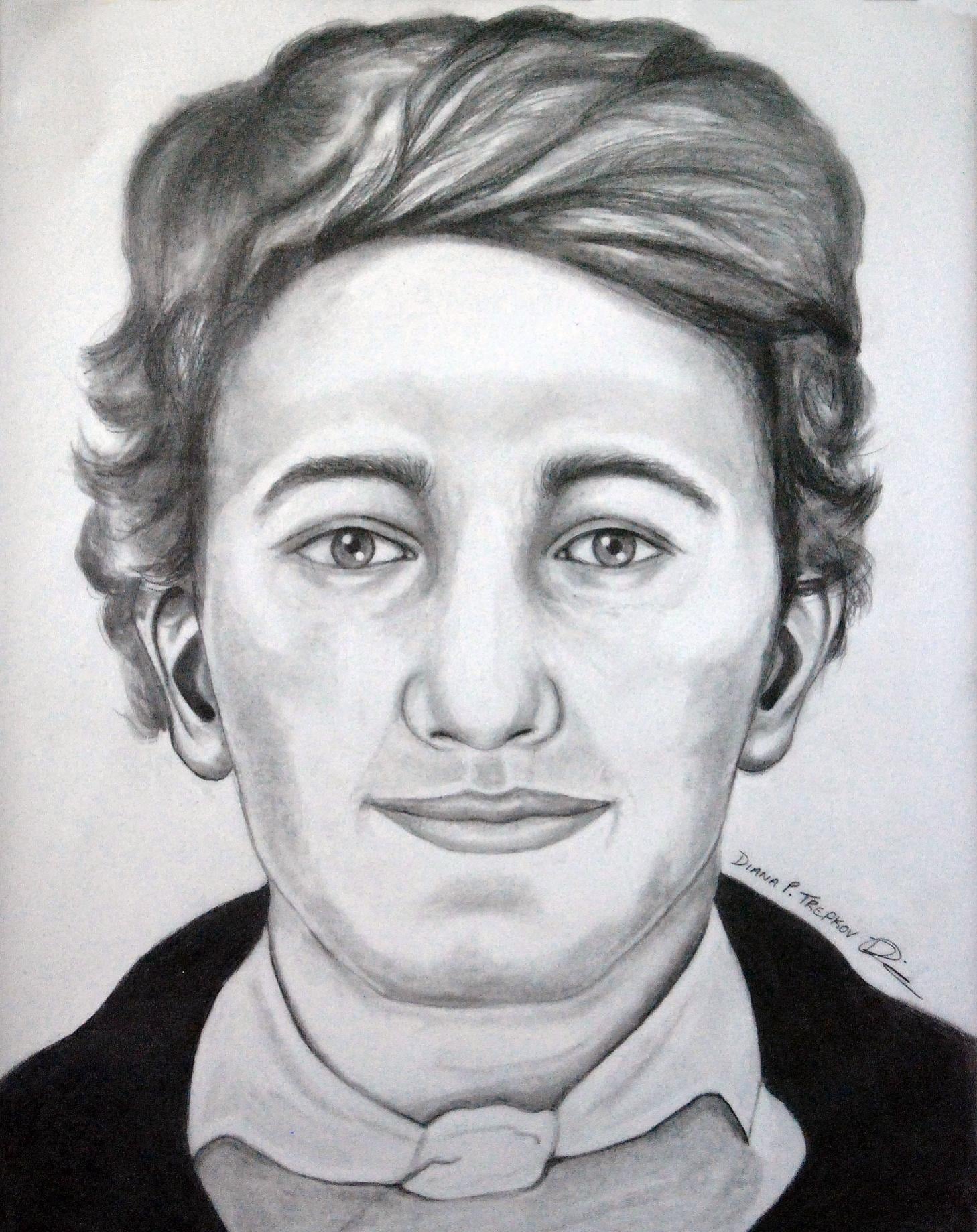
At site NgLj-3, mitochondrial DNA linked a molar and a right humerus to John Bridgens, a subordinate officer’s steward. Bridgens was born in Woolwich in 1818 and joined the expedition at age 26.
The study also sharpens the picture of what happened after the men left the ships. Researchers said the identified sailors were among those who reached the coast near Victory Point and joined the retreat southward. The men were hauling boats mounted on sledges.
Erebus Bay sites point to a broken retreat
Two of those boats ended up at Erebus Bay. One was found at NgLj-3. Another was found nearby at NgLj-2. The sites are only about 1.7 kilometers (1.1 miles) apart, but the evidence points to different outcomes for the two groups.
At NgLj-3, researchers said John Gregory and John Bridgens account for two of the three men known to have died there. That supports the idea that the boat may have belonged to Erebus and was likely hauled by men from that ship.
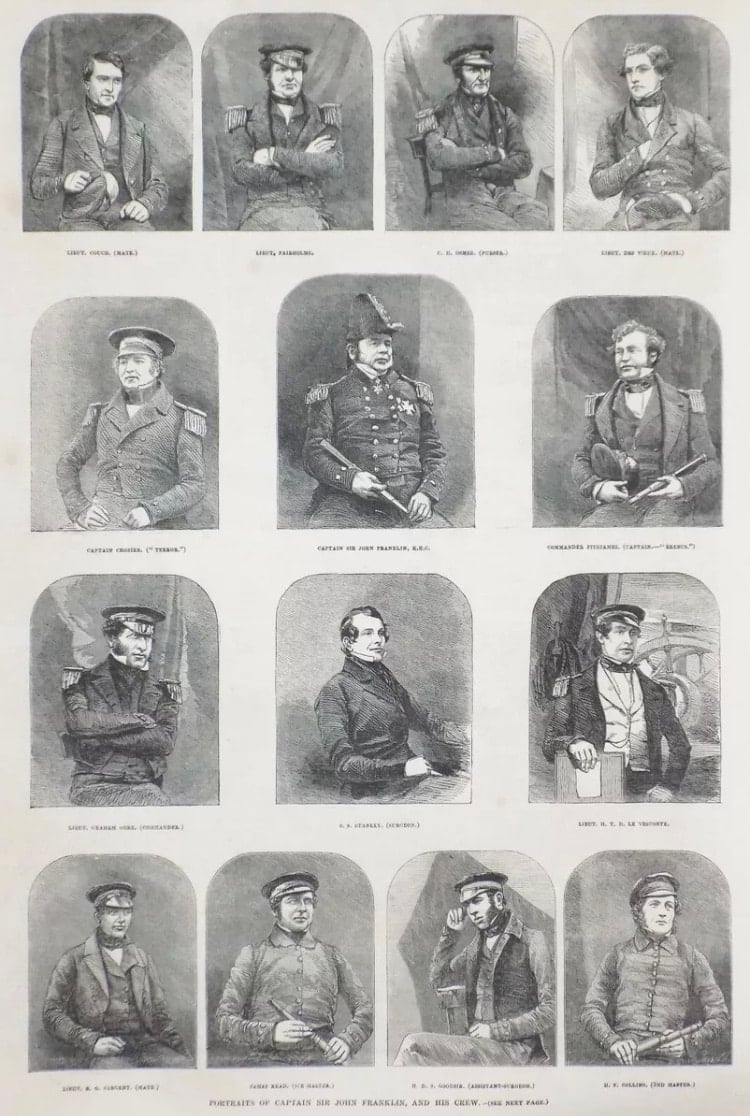
At NgLj-2, the remains of at least thirteen men were found. The study notes that some bones from that site carried evidence consistent with Inuit accounts of cannibalism. One of the men previously identified was James Fitzjames, captain of Erebus. The new identification of Young adds another Erebus sailor to the same site.
Evidence suggests crews may have separated
Researchers said the evidence suggests the boat teams may have separated before reaching Erebus Bay. They said the healthier sailors may have left behind men who were dead, dying, or too weak to continue. Food supplies may also have been gone or taken by those who moved on.
The study does not claim to answer every question. Researchers said some scenarios remain uncertain. But the DNA analysis of Franklin expedition skeletons gives descendants something long missing: the names of men who survived three years in the Arctic, joined the final retreat, and died at Erebus Bay.
See all the latest news from Greece and the world at Greekreporter.com. Contact our newsroom to report an update or send your story, photos and videos. Follow GR on Google News and subscribe here to our daily email!

