



As the world celebrates Earth Day 2026 under the theme “Our Power, Our Planet,” Greece finds itself at the center of a story that is both a warning and a work in progress.
Recent scientific studies show the country navigating deepening climate pressures on its land, water, and seas.
The global crisis behind Greece’s climate reality
The World Meteorological Organization’s State of the Global Climate 2025 report confirmed that 2015 through 2025 are the 11 hottest years in recorded history.
The year 2025 sat approximately 1.43°C (2.57°F) above pre-industrial levels. For the first time, the report tracked Earth’s energy imbalance as a formal indicator, registering it at its highest point since monitoring began in 1960.
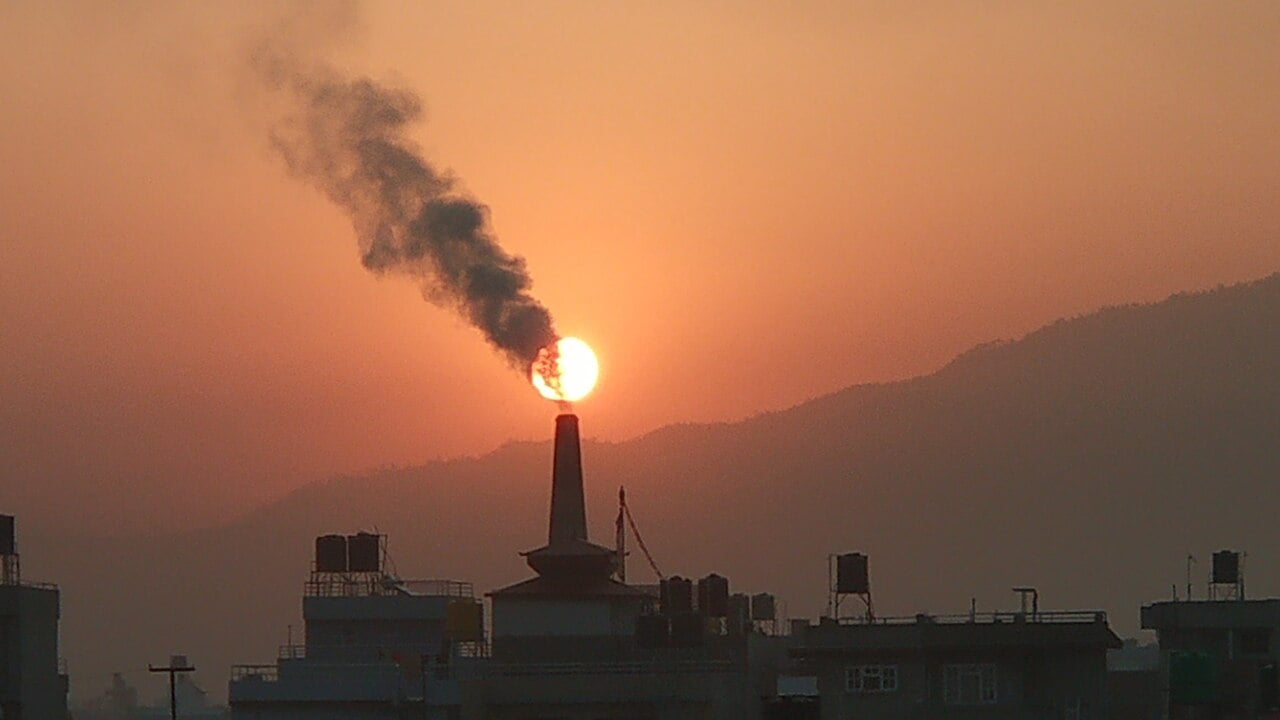
A January 2026 study in Advances in Atmospheric Sciences, led by Lijing Cheng of the Chinese Academy of Sciences, found ocean heat content grew by roughly 23 zettajoules between 2024 and 2025.
Cheng described the increase as exceptionally and alarmingly large, equivalent to roughly 210 times humanity’s total annual electricity output. The Mediterranean, semi-enclosed and slow to exchange water, sits directly in the middle of this warming system.
Greece at the epicenter of Europe’s fire crisis
The 2025 wildfire season left deep marks on Greece. A World Weather Attribution study found that fires across Greece, Cyprus, and Turkey were 22% more intense due to climate change.
The study also found that extreme fire weather in the Eastern Mediterranean is now ten times more likely than in pre-industrial times. Forest fire researcher Gavriil Xanthopoulos of the Hellenic Agricultural Organization noted that firefighters can no longer rely on winds calming down to regain control, a pattern crews historically depended on.

A study published in the journal Climate projected that Greece’s “extreme” fire risk category could rise from 4% historically to as high as 16% under worst-case emissions. Crete and the Dodecanese face the sharpest increases.
The analysis in Atmosphere found that hot days in Greece tripled during 1991-2020 compared to earlier decades, with heatwaves in Athens quadrupling over the same period.
Seas are warming, islands running dry
A 2025 meta-analysis led by GEOMAR Helmholtz Centre for Ocean Research Kiel, reviewing 131 scientific studies and published in Scientific Reports, found July 2025 was the warmest month on record for the Mediterranean Sea at an average of 26.9°C (80.4°F).
Fish stocks face a potential 30 to 40% decline, and over 60% of sea turtle nesting sites risk disappearing due to coastal erosion. Study co-author Dr. Abed El Rahman Hassoun warned that the consequences of warming are no longer future projections but damage happening now.
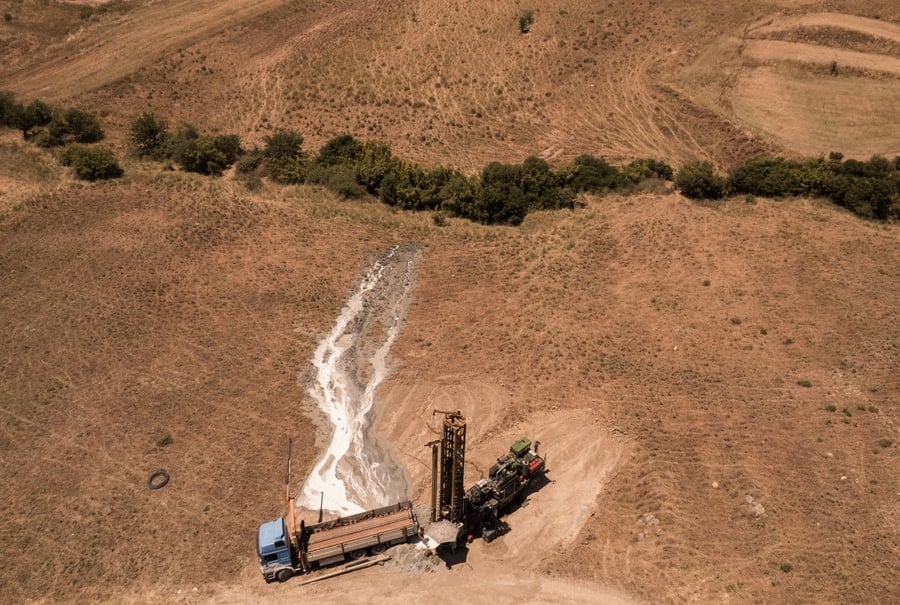
The study reported reductions of up to 50% across the southern Aegean islands through 2049. A flash drought study in Land, the first of its kind for Greece, identified Central Greece and Thessaly as the most drought-exposed regions. It called for regionally tailored early warning systems to be developed.
Greece pushes back with policy and power
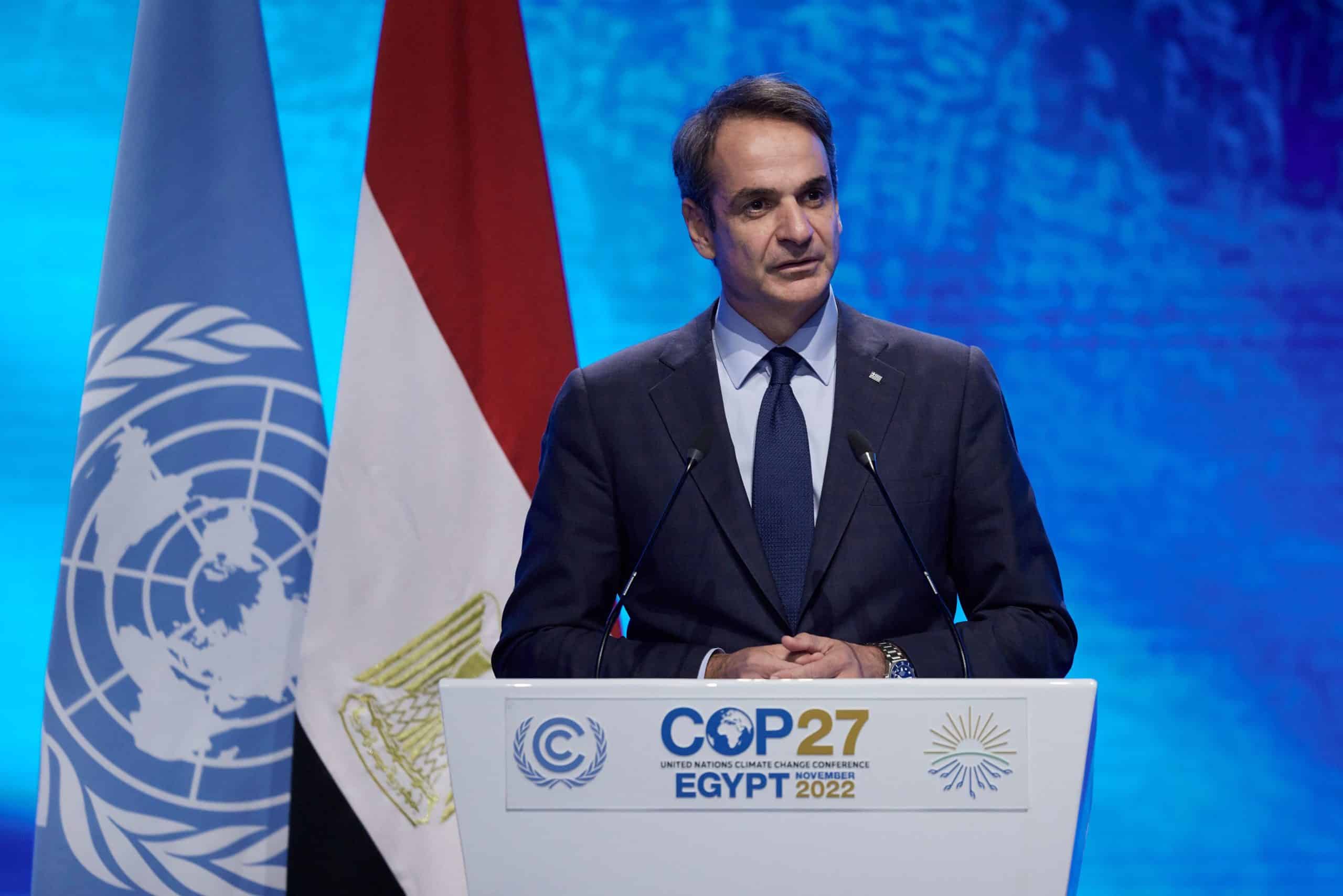
Greece is not standing still. In July 2025, Prime Minister Kyriakos Mitsotakis unveiled a national water resilience plan responding directly to the drought emergency hitting islands like Santorini, Crete, and Naxos.
The government had earlier announced a 5.9 billion euro ($6.91 billion) investment package in September 2024 to fund desalination projects powered by renewable energy alongside infrastructure upgrades.
Data from the European Environment Agency shows that 57% of Greece’s electricity came from wind, solar, and hydroelectric sources in 2023, a 147% rise in clean energy output since 2014. Lignite’s share of electricity generation fell to an all-time low of 5.7% in 2024, with full phase-out planned by the end of 2026.
The Climate Change Performance Index 2026, published by Germanwatch and partners, acknowledged Greece’s renewable progress while calling for a clearer gas phase-out plan and faster grid development.
As Earth Day 2026 draws global attention to the state of the planet, Greece stands as a country where the consequences of climate change and the effort to address them are both clearly visible.
See all the latest news from Greece and the world at Greekreporter.com. Contact our newsroom to report an update or send your story, photos and videos. Follow GR on Google News and subscribe here to our daily email!

