



Greece is once again preparing to open dozens of emblematic archaeological sites and museums across the country for night events from 8 pm to midnight during the week of the August full moon between August 8 and 13 with free admission.
The annual event is organized by the Greek Ministry of Culture in coordination with the General Directorate of Antiquities and Cultural Heritage. This year, a total of 114 archaeological and other historical sites, museums, and monuments throughout the country will be open to the public under the moonlight.
Events will be held at 71 archaeological sites and museums, while another 44 will be open to the public free of charge. The full program per prefecture includes theater shows, music and dance performances, art exhibitions, stargazing, myth storytelling, and guided tours in cooperation with local administration and associations.
Top Greek archaeological sites visited under the moonlight
Besides the rich schedule of free cultural events, visitors will also have a unique opportunity to wander around some of Greece’s most iconic archaeological sites under the moonlight of the August full moon without paying entrance fees. The sites of the country’s most famous ancient oracles, Delphi in Central Greece and Dodoni in Epirus, will be open to visitors on the night of the full moon, August 9, from 8 pm to midnight.
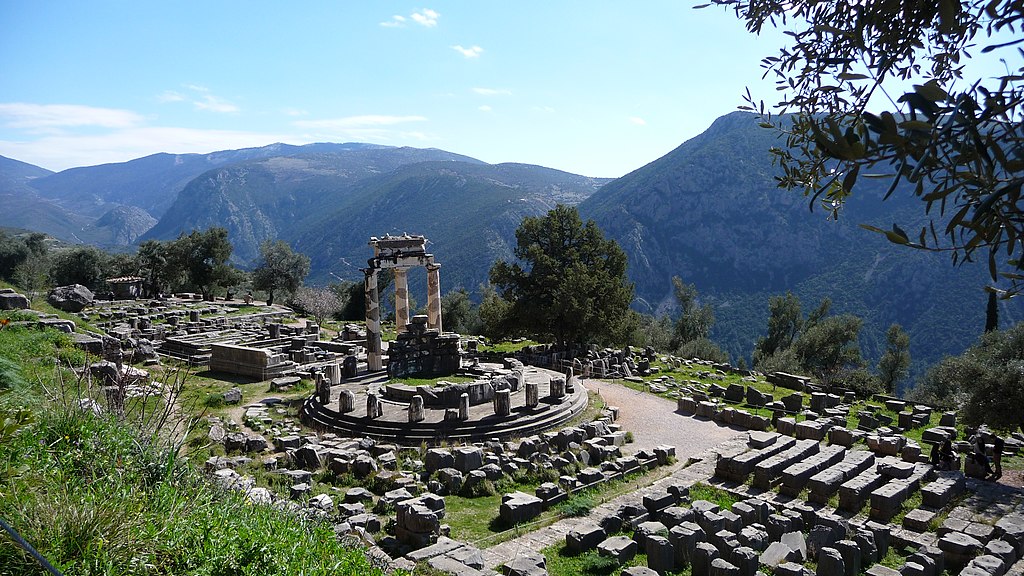
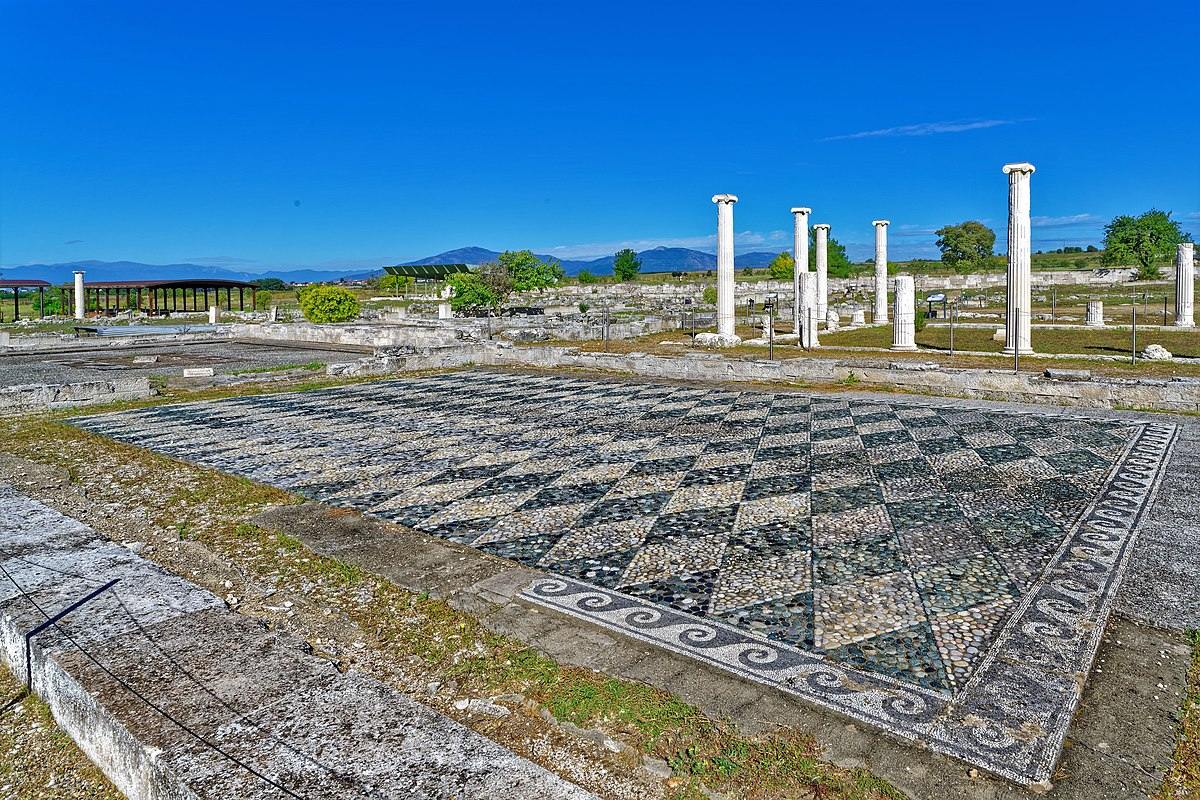
In Macedonia, northern Greece, the public will be able to visit the archaeological site of Pella, the capital of the ancient Greek kingdom of Macedon; ancient Stagira, the birthplace of Aristotle, one of the greatest philosophers of all time; ancient Edessa; and the Hellenistic city of Florina on the same dates and at the same times.
For any fans of Byzantine history on mainland Greece, the castle of Trikala will be free to visit between 8:30 am and 3:30 pm under daylight or between 9 pm and midnight on that day. In Athens, Plato’s Academy and the Western Acropolis Hills will be open for 24 hours on August 9.
Those visiting the Peloponnese peninsula in southern Greece will be able to enjoy a walk in the castle of Kalamata, the Mycenean-era palace of Nestor in Pylos, or the House of Mosaics in Sparta.
Archaeological sites on Greek islands open for August full moon
The program includes several cultural events and open sites on the Greek islands as well. The archaeological site of Gortyna on Crete, the archaeological museums of Kalymnos, Karpathos, Skyros, and Zakynthos, the Castle of Kythera, and the Castle of Saint George on Kefalonia will be opening their doors for the evening of the August full moon until midnight.
On the island of Evia, the archaeological museums of Chalkis, Karystos, and Eretria will be open from 8 pm to midnight, as will be the Karababa Castle. The same opening hours apply for the Pityous Tower, the Castle Hamam, and the Byzantine Museum of Chios. The medieval tower in Ampelikon, Lesvos, will be open 8 to 11 pm.
See all the latest news from Greece and the world at Greekreporter.com. Contact our newsroom to report an update or send your story, photos and videos. Follow GR on Google News and subscribe here to our daily email!

