



The funeral of Pope Francis, held on April 26, 2025, was a profoundly significant event, attracting over 400,000 attendees, including delegations and leaders from around the world, leading many to question whether people in Europe and the broader West remain religious and faithful to Christianity after all.
This extraordinary turnout for a religious leader of his stature speaks volumes about the lasting power and reach of religious institutions. In a world increasingly defined by rapid scientific and technological evolution and modernization, this is, indeed, a significant statement.
For many, the Pope’s passing marked not only the loss of a great spiritual leader but also the end of an era in the Catholic Church. The number of people who traveled from across the globe reflects the enduring importance of faith and religious institutions. These forces continue to shape the lives of millions, even in the 21st century.
The power of tradition in the digital age
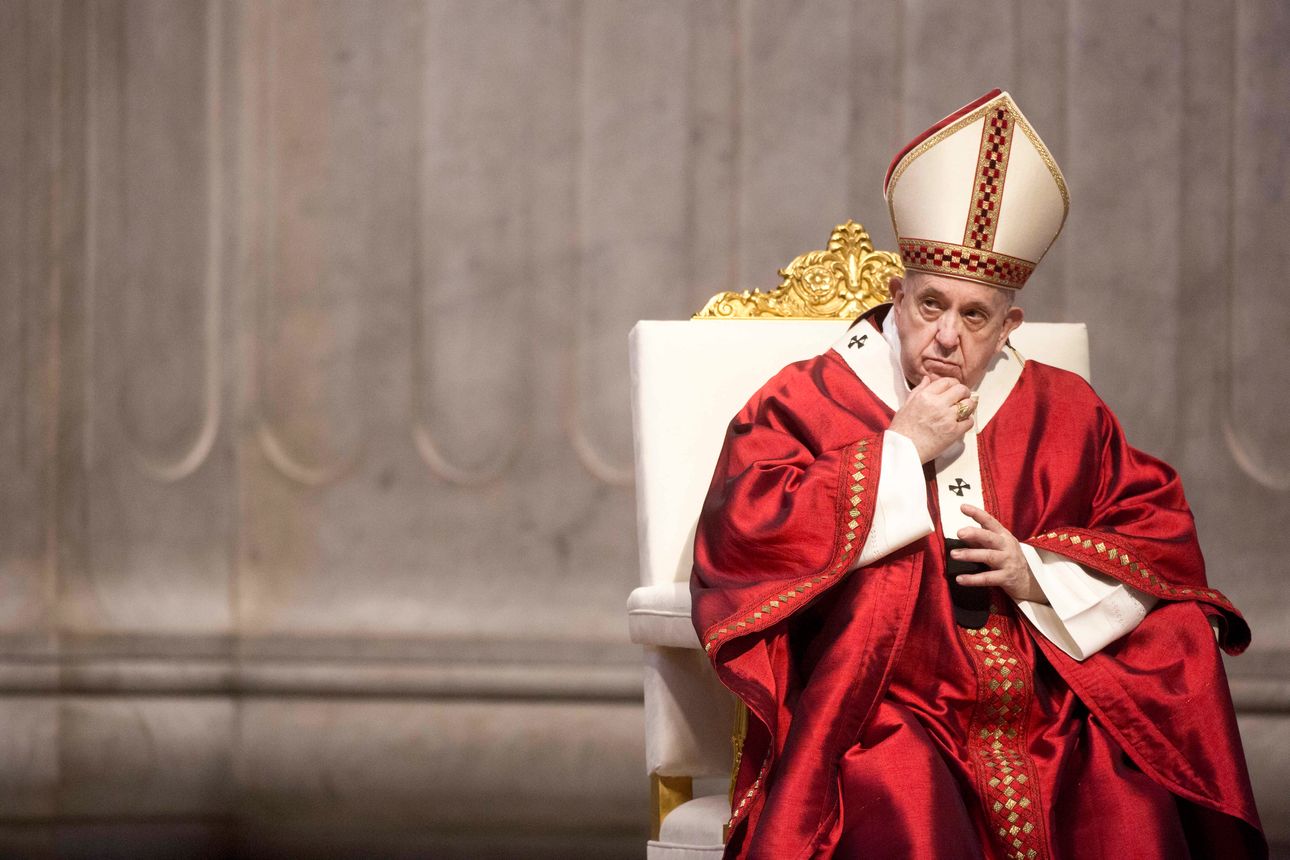
As science and technology continues to advance and societies modernize, one might expect that traditional practices and institutions, such as religion, would wane in significance. Yet, the high attendance at Pope Francis’ funeral challenges this assumption. It raises the question: Are Europeans and people in the West still faithful, despite the technological and cultural shifts of recent decades?
In Europe, religious participation has steadily decreased in recent decades. Church attendance, especially in Western European nations, has been dropping steadily. According to a 2020 Pew Research report, only 16% of people in Western Europe attend religious services weekly, down from 40% in the 1980s.
Additionally, a 2019 Eurobarometer survey from the European Commission found that about 50% of Europeans identified as religious, with higher levels of belief in Southern and Eastern Europe, and lower in Northern and Western Europe.
Across the Atlantic, religious affiliation in the United States has also seen changes. A 2020 Pew Research Center study revealed that 65% of Americans still identify as Christian, a decrease from 70% in 2014.
The rise of secularism and the appeal of alternative philosophies and ideologies have contributed to a decline in religious devotion. Yet, significant moments like the Pope’s funeral, and other high-profile religious events, still manage to attract large crowds, showing that many still seek solace in faith. Over 400,000 people attended Pope Francis’ funeral, illustrating the continuing power of religious institutions to gather people even in an age of rapid modernization.
Religious institutions, especially the Catholic Church, provide not only spiritual guidance but also a sense of community and stability. Pope Francis’ funeral, an event marked by reverence, tradition, and solidarity, serves as a reminder of the importance of these institutions in times of crisis. In today’s world, individuals often feel disconnected or overwhelmed by the rapid pace of change. Yet religious rituals offer a place for reflection, continuity, and emotional support.

A comparative analysis: Faith and Tradition in other major events
Queen Elizabeth II’s Funeral:
Another poignant example of faith and tradition intersecting with modern life occurred during the funeral of Queen Elizabeth II in 2022. Over 250,000 people gathered to mourn the passing of the longest-reigning British monarch. This event was broadcast worldwide.
The British monarchy is not strictly a religious institution, however, it is deeply intertwined with the Church of England. Many of the ceremonial aspects of the funeral drew upon centuries of Christian traditions. The sense of continuity and the emotional power of the event demonstrated how, even in the modern era, such milestones can bring people together around a shared sense of history, heritage, and faith.
The Holy Light in Jerusalem:
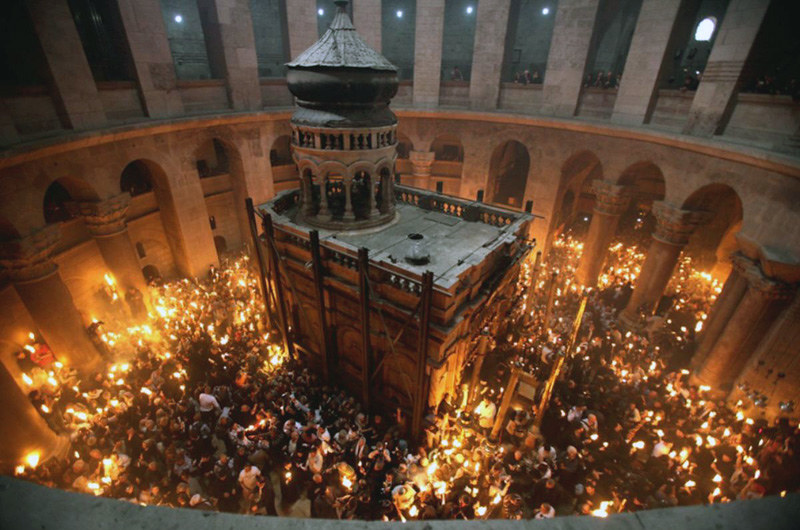
One of the most remarkable religious events that demonstrates a strong link between tradition and faith is the Holy Fire or Holy Light ceremony. This ceremony is held annually at the Church of the Holy Sepulchre in Jerusalem. Thousands of Orthodox Christians, particularly from Europe, make the pilgrimage to the site. Believing this site to be the burial place of Jesus Christ, they gather there to witness what they consider the miraculous descent of the Holy Light on Holy Saturday during Orthodox Easter.
The tradition is rooted in deep spiritual significance. Each year, hundreds of thousands of believers make the pilgrimage. This happens despite the modern conveniences of digital life and the widespread availability of virtual experiences. In 2023, over 100,000 pilgrims were present at the church. This event continues to symbolize the enduring power of faith and religious practices across centuries.
The role of religion in a changing world
These examples all point to a theme. That religion, and particularly significant religious events, continue to offer people a sense of stability and refuge. It also provides people with a sense of continuity, and community in an increasingly fragmented world.
While the pace of scientific and technological advancement has reshaped many aspects of daily life, faith-based practices have remained an important aspect of society. In fact, religion often acts as a stabilizing force in a world that can feel increasingly volatile. It provides a sense of meaning and connection amid the uncertainties of modernization.
See all the latest news from Greece and the world at Greekreporter.com. Contact our newsroom to report an update or send your story, photos and videos. Follow GR on Google News and subscribe here to our daily email!

