



A Sarmatian warrior buried nearly 2,000 years ago on the Arabat Spit in southern Ukraine is offering a new look at the steppe culture associated with the ancient Greek legend of the Amazons.
His grave, containing a dagger and other burial goods, comes from a society whose women were described by ancient Greek writers as skilled riders and fighters. The burial was discovered in 2018 near the village of Shchaslyvtseve in Ukraine’s Kherson region.
Archaeologists Yurii Boltryk and Olena Fialko of the Institute of Archaeology of the National Academy of Sciences of Ukraine examined the grave as part of research on an older burial mound that contained graves from several periods. They date the Sarmatian burial to between the first century B.C. and the first century A.D.
Weapons and burial goods reveal Sarmatian warrior traditions
The man was between 25 and 35 years old. He was placed on his back with his head pointing northwest, a burial position common among Sarmatian groups in the region. Deep plowing had damaged part of the grave, but several objects remained.

An iron dagger with a ring-shaped pommel lay beside his right thigh, where such weapons were commonly carried. Archaeologists also found traces of its wooden sheath. The grave contained a broken iron knife, a red clay jug, and part of a sheep carcass that had been placed with the dead as food.
Boltryk and Fialko say the man may have belonged to the Rhoxolani, one of the Sarmatian groups that ancient writers placed in the lands between the Dnieper and Don rivers.
The researchers also suggest that his community may have benefited from nearby salt deposits, fresh water, and trade moving through this part of the northern Black Sea region.
Sarmatian warrior adds context to Greek legend of Amazons
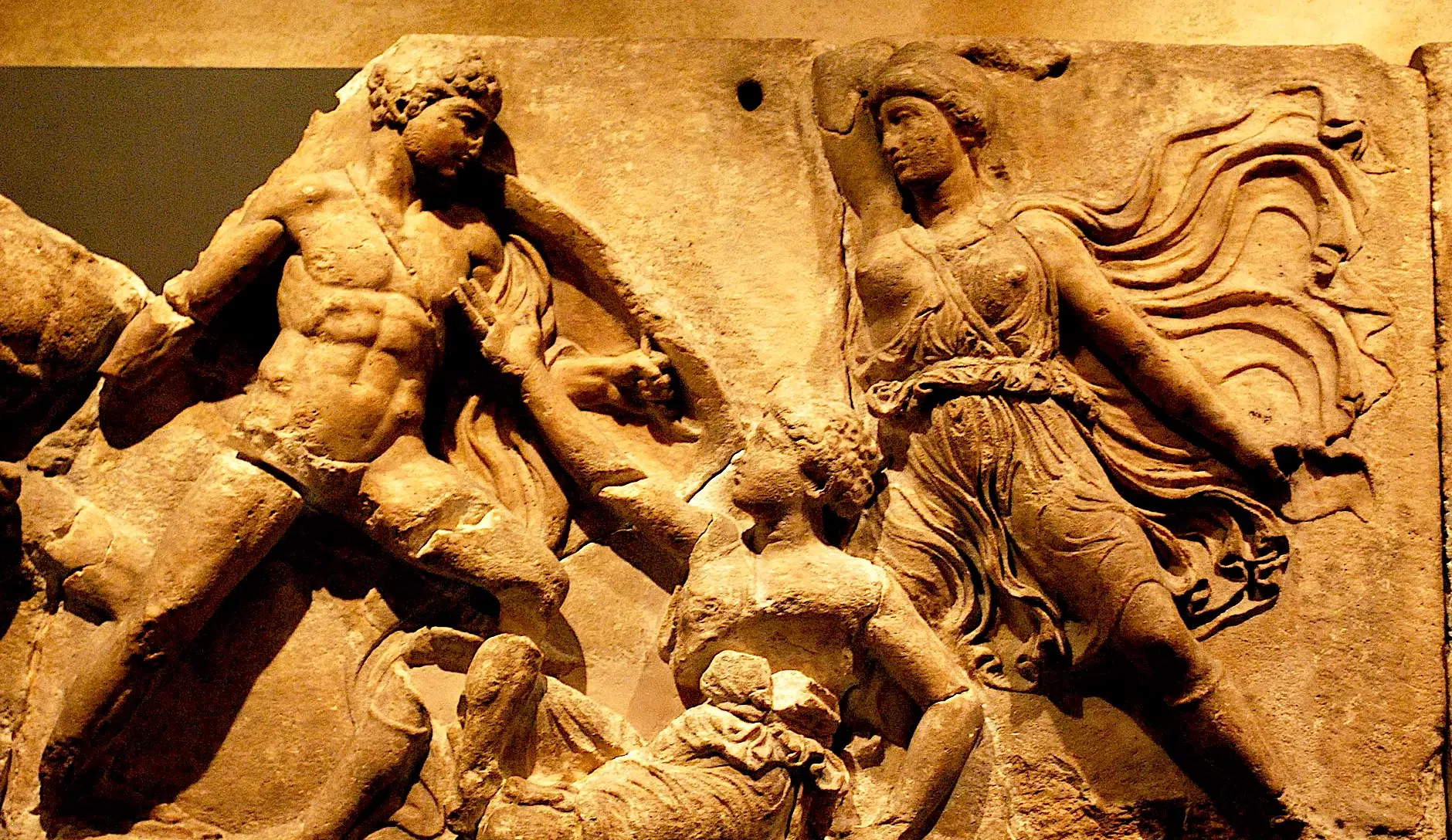
That Sarmatian world has long been important to efforts to understand ancient Greek stories about the Amazons.

Herodotus, a Greek historian and geographer, wrote that the Sauromatae descended from Amazons and Scythian men and described their women as horseback hunters and warriors. The ancient Greek physician Hippocrates also wrote of Sauromatian women riding horses, shooting arrows and throwing javelins.
Archaeology has given those ancient accounts added context. Researchers have found women buried with weapons in Sauromatian and Sarmatian cemeteries across the Eurasian steppe, showing that female participation in armed life was not simply a feature of ancient Greek storytelling.
Seen in that wider setting, the Sarmatian warrior on the Arabat Spit helps fill in the cultural landscape behind the ancient Greek legend of the Amazons. His weapons, burial customs, and location add another piece to the archaeological record of the steppe societies that captured the attention of ancient Greek writers.
See all the latest news from Greece and the world at Greekreporter.com. Contact our newsroom to report an update or send your story, photos and videos. Follow GR on Google News and subscribe here to our daily email!

