



The Ice Age is often imagined as a world of endless snow, advancing glaciers, and struggling creatures—and it is easy to assume that Greece experienced the same. Northern Europe indeed fit that image: vast ice sheets buried the land under miles of frozen weight.
Yet Greece presented a very different landscape during that time period. Though colder and drier than today, the southern Balkans remained free of glaciers. People, animals, and plants endured conditions that shaped the foundations of later Greek history.
Understanding Greece during the Ice Age requires a careful look at its geography. The region’s mountains, valleys, and coasts shaped survival strategies. Seasonal changes were more extreme than today, but winters were not unbearable.
Summers brought warmth, though rainfall was scarce. The sea receded, exposing large stretches of land where fertile plains now lie underwater. Ancient coastlines extended far into what is today the Aegean. These plains provided new routes for travel and hunting and connected islands that are now separated, making movement across the region easier.
Landscapes and climate
Greece never lay under the giant glaciers of Northern Europe. The ice sheets stopped far to the north, around what is now Central Germany and the Alps. In Greece, colder temperatures shaped vegetation and water systems. Forests shrank while open grasslands expanded, supporting herds of wild animals, including red deer, wild horses, aurochs, and ibex. Rivers flowed through valleys, though many were seasonal and unpredictable. Lakes rose and fell as rainfall patterns shifted, leaving certain areas arid while others flourished as green refuges.
The retreat of the sea created new opportunities. During the Last Glacial Maximum, around 20,000 years ago, sea levels fell by more than 100 meters (330 feet). Many islands of the Aegean were connected to the mainland, allowing hunters and gatherers to walk across what is now open water. They could reach the present-day Cyclades with ease. Coastal plains provided fertile hunting grounds, rich in animals and edible plants. Though these areas vanished under the sea when the ice melted, they once served as central habitats for Ice Age peoples.
Human life and survival
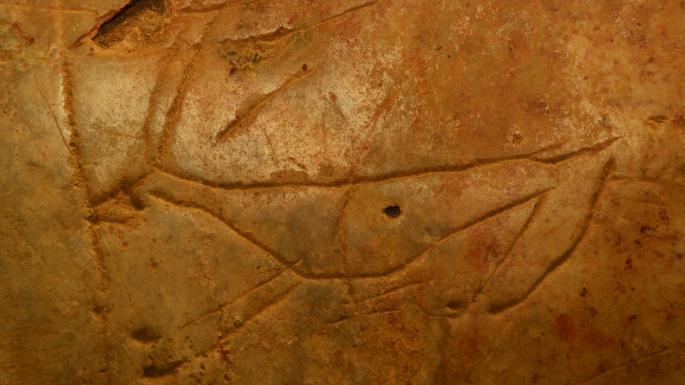
The people who lived in the region of Greece during the Ice Age were fully human, with brains similar to ours. Archaeological discoveries reveal their ingenuity: they crafted stone tools, built shelters, and organized group hunts. They painted caves and carved figures, demonstrating symbolic thought and creativity. Their survival depended on adaptability, and they moved camps with the seasons, followed migrating animals, and exploited a wide range of resources.
Food came from a variety of sources. Hunters targeted deer, wild goats, and smaller animals, while fishing and shell gathering played a vital role along coasts and rivers. Nuts, berries, and roots supplemented their diets. Seasonal abundance shaped movement, and groups likely returned to familiar spots each year, creating a rhythm of life tied to the land. Evidence from sites such as Franchthi Cave in the Argolid shows continuity of occupation across thousands of years, highlighting the resilience of these early communities.
Shelter varied with the environment. Caves offered protection during cold winters, while in milder seasons, people likely built huts from wood, bone, and hides, and fire played a central role in warmth, cooking, and social gatherings. Families and groups sat around flames, sharing food and stories, forming the cultural glue of Ice Age society.
The Voidomatis and Ice Age life
One of the most vital features of Ice Age Greece was the rivers. Among them, the Voidomatis in Epirus stands out. Today it is celebrated as one of Europe’s cleanest rivers, but its story stretches far back into the Pleistocene. During the colder millennia, the Voidomatis carved valleys that provided shelter, fresh water, and food. Hunters followed animal tracks along its banks, where deer and wild goats came to drink. Caves near the river, such as those in the Vikos Gorge, offered protection and served as seasonal camps. The Voidomatis not only nourished life but also created a natural corridor for movement across rugged terrain. It was a lifeline in a challenging landscape, binding people, animals, and plants together in cycles of survival.
Life was not only about survival, however. Ice Age people in Greece showed signs of rich culture. Tools often reveal aesthetic care beyond simple utility, and ornaments, beads, and figurines point to symbolic behavior. Cave art, though less abundant than in France or Spain, demonstrates imagination and a desire to represent the world. Burial practices hint at ritual and respect for the dead. These acts point toward beliefs in forces beyond daily existence.
Myth-making may have roots in this time. Natural events such as storms, earthquakes, and rising waters inspired awe, while the vastness of the sea, majesty of the mountains, and cycles of the stars became interwoven into oral traditions. Though lost to us, these stories laid the foundations for the myths that later blossomed in Greek culture.

The end of the Ice Age
Around 12,000 years ago, the climate began to warm rapidly, causing glaciers to melt and sea levels to rise. As the waters advanced, vast coastal plains disappeared beneath the sea, and islands such as those of the Cyclades, once joined by land, became isolated fragments of a new geography. Human communities were forced to adapt to shrinking shorelines and altered landscapes, finding new ways to survive amid constant change.
Forests spread across the land once again, providing fresh resources, while the Aegean slowly assumed the fragmented shape we recognize today. These dramatic transformations tested the resilience of early groups, yet they also opened new possibilities: fertile valleys invited experimentation with plant gathering. These were experiments that would, in time, lay the foundations of farming.
By 7000 BC, the first farmers arrived in Greece, likely through contact with Anatolia. Yet hunter-gatherer traditions did not vanish overnight. For millennia, people blended old ways with new. The experiences of the long Ice Age had prepared them well. Adaptability, seafaring skills, and cultural creativity provided people with the tools to thrive in an ever-changing world.
The story of Greece during the Ice Age challenges simple stereotypes. Life was not an endless struggle against the cold. It was a complex balance between environments, ingenuity, and communities. People were not passive victims of climate. Instead, they were explorers, sailors, hunters, and artists, shaping their lives with intelligence and imagination.
Modern scholarship continues to uncover new details. Submerged landscapes may yet reveal settlements lost beneath the Aegean. Caves and coastal sites provide glimpses of daily activities and rituals, and each discovery adds to the picture of a society both resilient and inventive.
Lessons from the Ice Age
The Ice Age reminds us of the fragility of human memory. Mycenaean scripts such as Linear B vanished for centuries before being rediscovered. The lives of Ice Age Greeks survive only in fragments. Yet these fragments tell a story of enduring creativity.
Greece during the Ice Age was a land of contrasts. The climate was colder and drier than it is today, yet certain areas remained fertile; it was a harsh environment, but still one that people could endure. People hunted, gathered, sailed, and dreamed. They lived with the same curiosity and intelligence as people of today and invented solutions, shared stories, and built communities. Their achievements laid the groundwork for the civilizations that followed.
By deconstructing myths of scarcity and struggle, we can see the Ice Age in Greece with clearer eyes. It was not a frozen wasteland but a dynamic environment full of opportunity. Its people were not primitive but ingenious. Their resilience allowed them to navigate change, survive upheaval, and pass on traditions. In their lives, we find the deep roots of the Greek landscape stretching far back prior to the age of cities, heroes, and written myths.
See all the latest news from Greece and the world at Greekreporter.com. Contact our newsroom to report an update or send your story, photos and videos. Follow GR on Google News and subscribe here to our daily email!

