



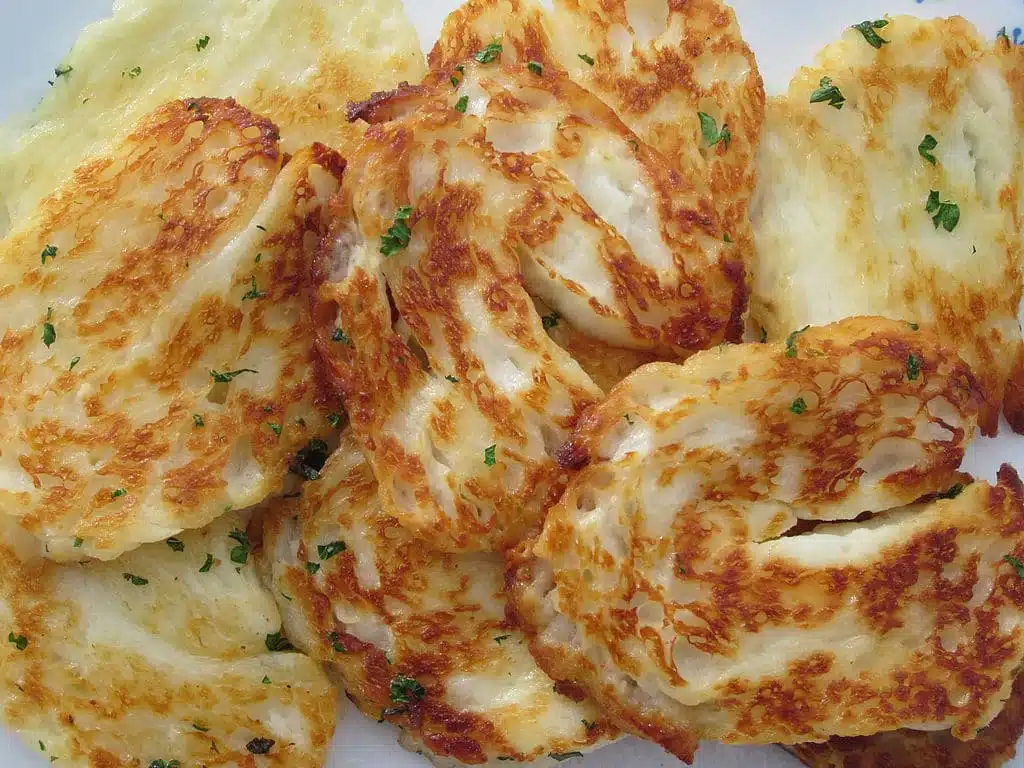
Cyprus is preparing for a new fight over halloumi after cheesemakers began drafting a request to change the European Union rules that will eventually require the cheese to contain more sheep’s and goat’s milk than cow’s milk.
The proposal has not been filed or approved. Cyprus’s state broadcaster RIK reported that Agriculture Minister Christos Senekis has met separately with cheesemakers, cattle farmers and sheep and goat farmers as the government considers a change to the protected designation of origin specification. The application would have to pass national and European review.
Cypriot cheesemakers say the current formula could force a sharp reduction in production and exports. Sheep and goat farmers oppose changing the threshold, arguing that it protects both the character of halloumi and the rural businesses that supply traditional milk.
Why the 51 percent halloumi rule matters
The EU registered halloumi as a protected Cypriot product in 2021. The specification says sheep’s or goat’s milk, or a mixture of the two, must exceed the proportion of cow’s milk in the finished cheese.
Cyprus later extended a transition period until July 2029, giving producers more time to reach the full requirement. Industry representatives say an amendment request must be submitted by March 2027 because the European review can take years. The cheesemakers’ association is aiming to prepare its proposal by the end of 2026.
The dispute is economically significant. Halloumi accounts for a major share of Cyprus’s exports, and industry and government officials have put its annual export value at more than €350 million.
Michalis Koullouros, a representative of the Cyprus Cheesemakers Association, told local media that overseas buyers favor halloumi made with mixed milk. He argued that the rules should reflect available milk supplies while allowing Cyprus to preserve export volumes. Cheesemakers say a lower output would eventually reduce the amount of milk they buy from all livestock farmers.
Farmers warn against weakening halloumi’s identity
Neophytos Neophytou, head of the Voice of Livestock Breeders organization, said sheep and goat farmers would object individually and collectively to any attempt to reduce the 51 percent requirement. He urged the industry to rebuild sheep and goat farming instead.
The disagreement reaches beyond a recipe. The PDO framework determines who may sell cheese under the halloumi name in the EU, just as European rules protect feta from imitation products. It also affects a product rooted in Cyprus’s cultural identity and in the long-running comparison between halloumi and feta.
Milk supplies have been under additional pressure since a 2026 foot-and-mouth disease outbreak led to livestock losses. Cyprus temporarily reduced the domestic minimum share of sheep’s and goat’s milk in halloumi from 25 percent to 15 percent through the end of 2026. In June, the European Commission said it had not been informed of that decision, considered it potentially inconsistent with the transition arrangement and would seek more information from Cyprus.
The government now faces two competing risks: weakening the specification could threaten the credibility of halloumi’s protected status, while enforcing the 51 percent threshold without sufficient milk could shrink production of a cheese that has become increasingly visible in international food markets.
No rule has changed yet. Any amendment will face formal review and objections, leaving the final milk ratio unresolved well before the 2029 deadline.
See all the latest news from Greece and the world at Greekreporter.com. Contact our newsroom to report an update or send your story, photos and videos. Follow GR on Google News and subscribe here to our daily email!

