



Nearly 2,000 years ago, communities in a part of Greco-Roman Thrace that lies in modern-day southeastern Bulgaria used specialized clay pots to store and preserve meat and animal fat, with some vessels transported dozens of kilometers despite being easily produced locally, a new study has found.
The research, published in the journal Archaeological and Anthropological Sciences, suggests these so-called “meat pots” played a specialized role in local diets and regional trade nearly 2,000 years ago.
The study was led by Petra Tušlová of the Fitch Laboratory at the British School at Athens. Her team examined pottery from four rural settlements in the Yambol District of southeastern Bulgaria, including the main site of Yurta-Stroyno along with Karavelovo, Robovo and Kozarevo.
All four sites date mainly to the second and third centuries AD, when the region was part of the Roman province of Thrace.
Meat pots uncovered across rural sites in Greco-Roman Thrace
Handmade pottery made up between 8 and 19 percent of ceramic fragments found at the sites, the study found. At most locations, it was more common than the wheel-made cooking ware typically linked to Roman-era kitchens.
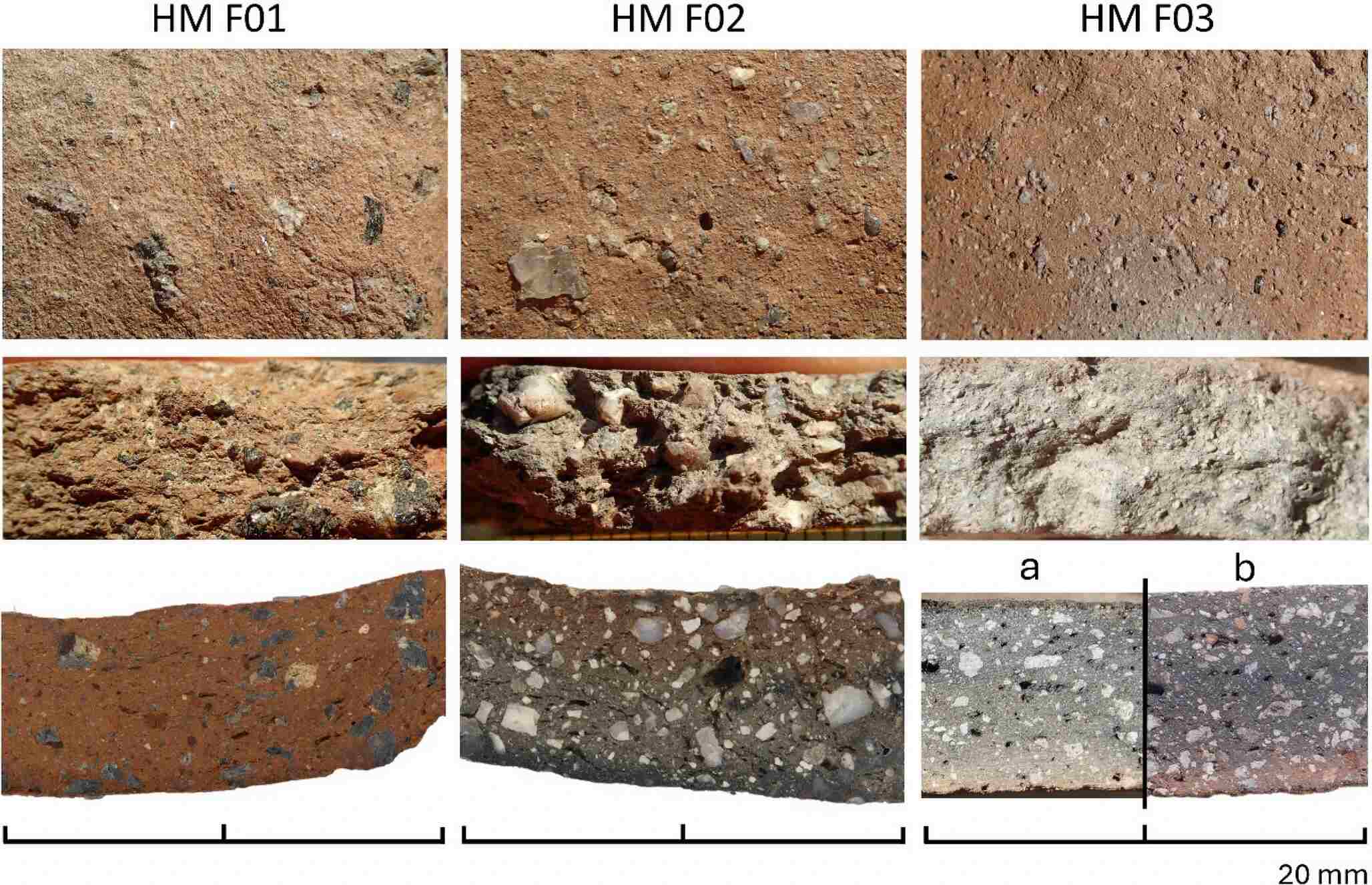
Using chemical and mineral testing, researchers identified three distinct clay recipes used to make the pots. Each settlement relied on two of these recipes. One was always made from clay found near the site, while the other was consistently imported from a mountainous area called Monastery Heights, roughly 40 kilometers (25 miles) away.
Scans using X-ray imaging showed that potters across the region built vessels the same way, stacking clay slabs in sequence and attaching handles using one of two consistent methods, despite working in different locations.
Fat and beeswax traces reveal long-term food preservation
Testing of residue left inside the pots revealed high concentrations of fat evenly spread across the vessel walls, a pattern researchers say points to long term storage rather than cooking.
Some containers also carried traces of beeswax, suggesting they may have been coated to help preserve their contents. Radiocarbon dating confirmed the pots were used during the Roman period, ruling out the idea that they were leftover items from the earlier Iron Age.
Tušlová said the low firing temperatures and uneven surface coloring on the pots point to simple, small-scale production, likely fired in pits or open bonfires rather than formal kilns. She said this suggests local communities, or their descendants, continued a long-standing craft tradition well into the Roman era.
Unexplained pottery imports point to ritual meat trade
The study also raises a question about why some pots traveled 40 kilometers (25 miles) when similar ones could have been made locally. Researchers propose the imported vessels may be connected to a suspected sanctuary dedicated to Apollo, the Greek god of prophecy and healing, near Monastery Heights.
Surplus meat from animal sacrifices there may have been packaged and distributed to nearby settlements, though this explanation remains a working theory pending further excavation.
See all the latest news from Greece and the world at Greekreporter.com. Contact our newsroom to report an update or send your story, photos and videos. Follow GR on Google News and subscribe here to our daily email!

