



Autumn is not automatically perfect for hiking everywhere. Weather, wind, rainfall, trail conditions, and ferry schedules can all vary, and hikers should always check local conditions before setting out. Yet on several Greek islands, the period after the height of summer can be one of the most rewarding times to explore on foot. Here are six Greek islands where the journey becomes at least as important as the destination.
1. Andros: The island among the best for hiking where the old roads never disappeared

Andros may be one of the best places in Greece to understand why the country has become such an attractive destination for vacations centered on walking.
The island has an extensive network of routes connecting villages, rivers, monasteries, and landscapes that are dramatically greener than many visitors expect from the Cyclades. The official Andros Route alone runs for about 100 kilometers (62 miles) across the island in ten stages, while other paths lead through ravines, cultivated land, mountain ridges, stone bridges, and historic settlements.
What makes Andros especially compelling is that many of its paths were not created for modern tourism. Ancient trade routes and older connections between communities remain part of the island’s walking landscape. A hike can therefore feel less like a recreational detour and more like a way of getting to know the entire island itself.
Routes from Apikia toward Chora, for example, combine easier walking with stone bridges and chapels, while more demanding sections climb into Kouvara Mountain and open onto vast views of the Aegean. Another route crosses the Dipotamata Gorge, where watermills, a stone bridge, and the Castle of Faneromeni reveal traces of the island’s agricultural past.
So why should you go after the summer? Cooler temperatures can make Andros’ longer routes and exposed sections considerably more comfortable than during the height of the tourist season. The island also offers a different landscape from the stereotypically dry Cycladic image, with springs, ravines, and vegetation adding to the experience.
2. Tinos: Hike through marble, villages, and a Venetian castle
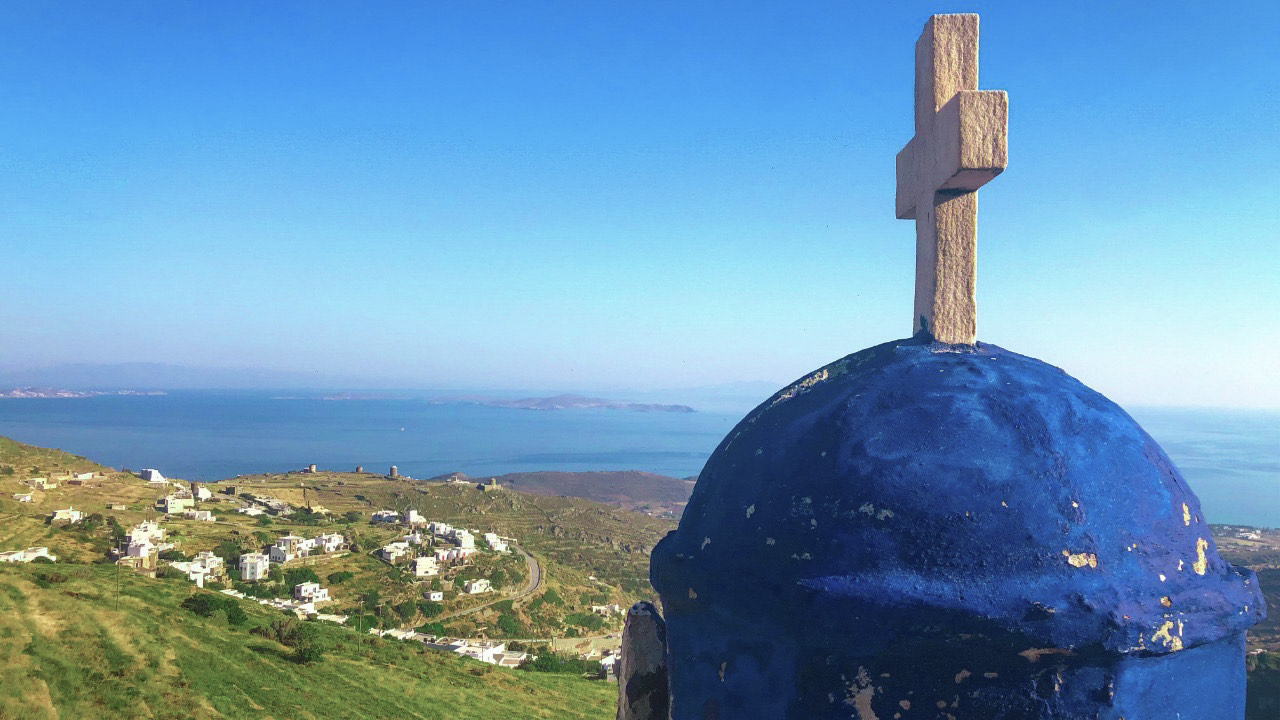
Tinos is increasingly known as a destination for food, art, and authentic village life, but it is also one of the most interesting islands in the Aegean to explore on foot. More than 150 kilometers (93 miles) of stone-paved roads and cobbled paths connect valleys, dovecotes, monasteries, beaches, and traditional settlements, according to Greece’s official tourism organization. The landscape variety is one of Tinos’ greatest strengths.
One route runs from Pyrgos toward Panormos through the island’s famous marble landscape. Another heads from Volax toward Livada through an extraordinary landscape of rounded granite boulders and small gorges before reaching the coast. For hikers who want history with their views, the climb toward Exomvourgo is particularly striking. The rocky hill was the site of an ancient city and later a Venetian castle. Today, remnants of the castle remain near the summit, overlooking Tinos and the surrounding Cyclades. Visit Greece specifically identifies spring and autumn as ideal periods for hiking and birdwatching in the Exomvourgo area.
Go only after the summer season because Tinos‘ open landscapes can be exposed during the hottest part of the year. As the weather cools down, its network of village-to-village paths becomes a much more appealing way to discover an island many visitors otherwise experience mainly by car.
3. Sifnos: The Cycladic island made for long walks and even longer lunches

Sifnos has long had a reputation for food, pottery, and elegant Cycladic villages. It also has a substantial walking network of more than 100 kilometers (62 miles) of signposted trails. The island’s routes range from short walks to multi-hour hikes, linking villages, peaks, monasteries, archaeological sites, and some of Sifnos’ most alluring coastal scenery.
One of the advantages of hiking on the island is the way the trails naturally fit into a slower island day. A route might begin in Apollonia or Artemonas, pass through stone villages and dry landscapes, and eventually end near the sea. Hikers can also climb toward Profitis Ilias Apsilos, the island’s highest peak, or follow routes that lead past sites including the ancient sanctuary of Zeus and the ruins of the Citadel of Agios Andreas.
Visit Sifnos after the summer season because it is ideal for travelers who do not want a hiking trip to feel like a whole expedition. The island’s trail system allows visitors to combine walking with village stops, swimming, and its celebrated cuisine—an experience that becomes especially appealing once the most intense summer heat has passed.
4. Kea: Walk between the ancient cities of one of the best Greek islands for hiking
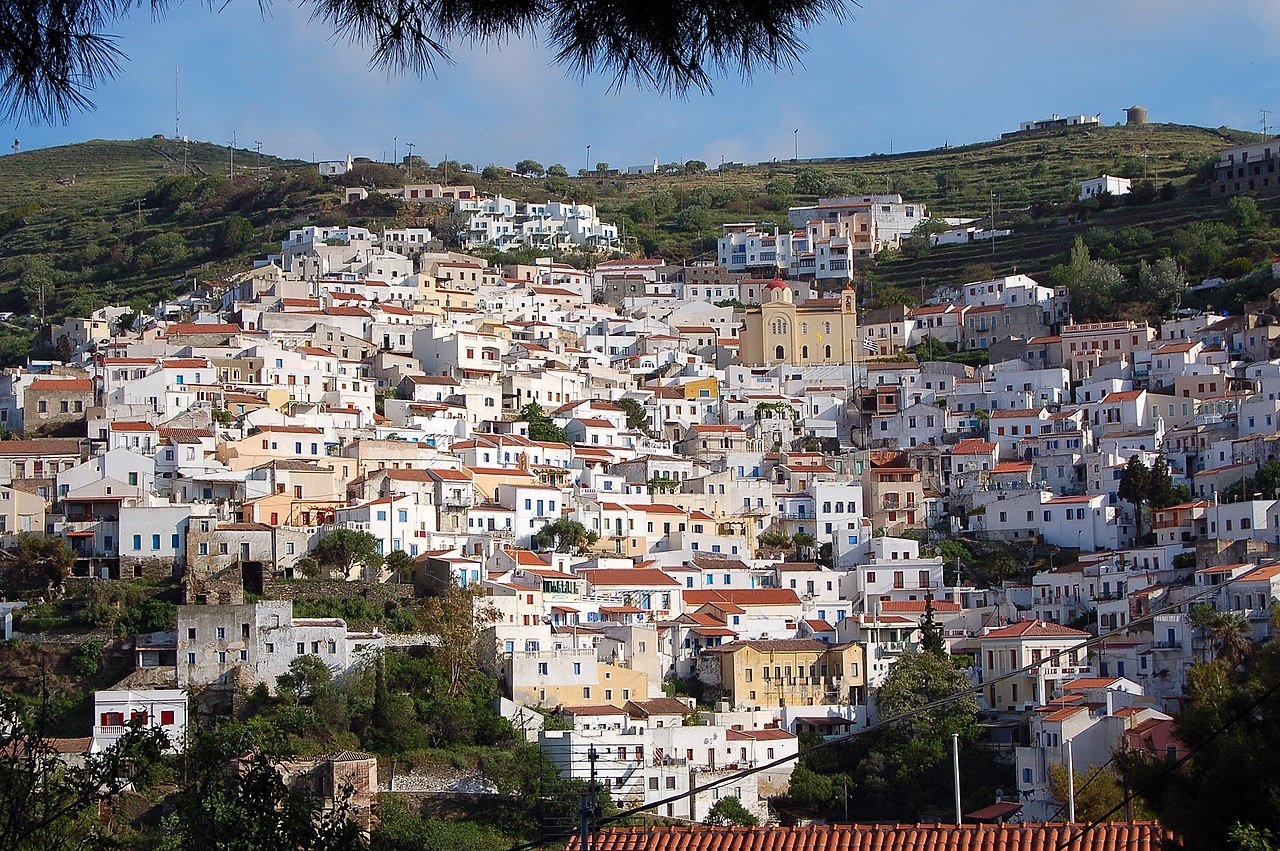
Kea (also known as Tzia) offers something increasingly rare on the Greek islands: trails that make the island’s ancient geography visible. Its network includes more than 80 kilometers (50 miles) of routes and twelve principal footpaths connecting the sites of the island’s four ancient cities of Ioulis, Karthaia, Korissia, and Poiessa as well as chapels, springs, and coastal landscapes. That makes Kea particularly rewarding for travelers who want their hike to come with a sense of historical discovery.
One route can lead visitors toward the famous Lion of Kea, an archaic sculpture carved into the rock about 2,500 years ago. Other paths lead toward the ancient theater of Karthaia, where the effort of reaching the site becomes part of the experience.
Go after summer because Kea’s rocky terrain and exposed paths make timing important. The milder conditions of the shoulder season can make longer historical walks much more enjoyable than attempting them under the scorching summer sun. It is also close enough to Athens to make a walking-focused island escape possible without committing to a long journey.
5. Amorgos: For hikers who want the wild side of the Cyclades
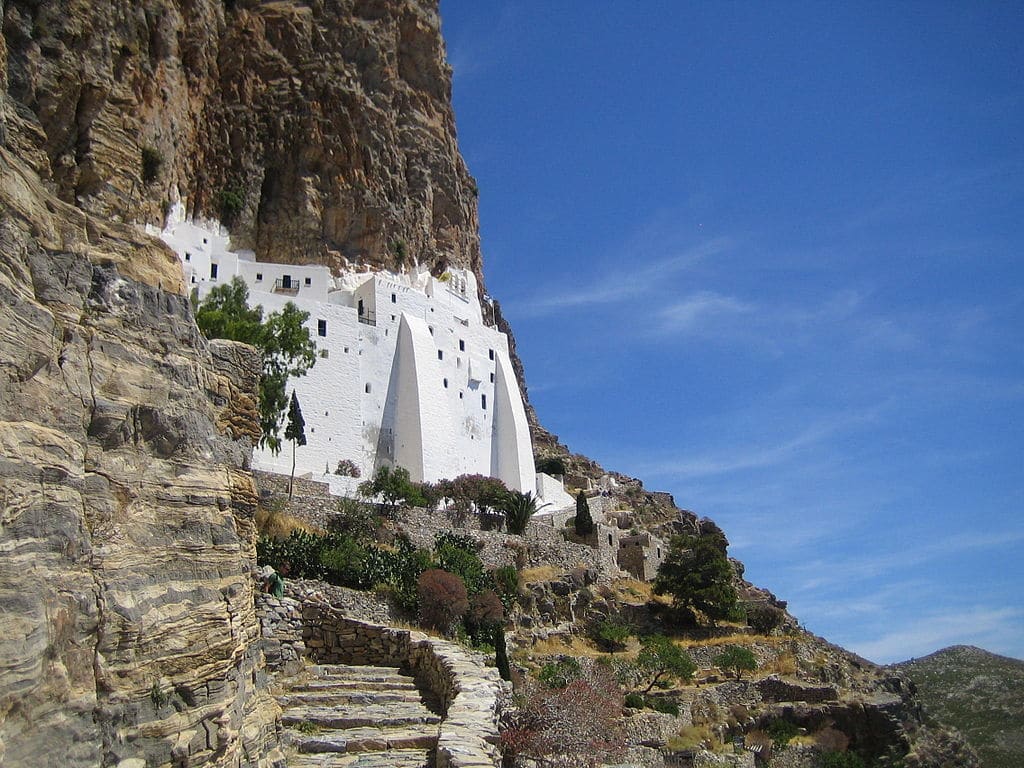
Amorgos is not the easiest island on this list—and that is precisely part of its appeal. The island has an extensive network of marked trails crossing steep slopes, historic sites, and some of the most dramatic landscapes in the Cyclades. Among its longer routes is Palia Strata, an approximately 11.5-kilometer (7-mile) trek linking Chora with Aegiali via the Hozoviotissa Monastery and Potamos.
Another cultural route passes through Lefkes, Kamari, Kastri, and Ancient Arcesine, while easier paths lead toward ancient Minoa. More ambitious hikers can head toward Mount Krikelos, which rises to 821 meters (2,694 ft). Amorgos is a reminder that the Greek islands are not all gentle hills and short strolls.
Visit Amorgos after summer because the island’s steep, open terrain and demanding routes can make careful planning essential during hot weather. A cooler period can offer a more convenient window for tackling its longer trails—although Amorgos’ strong winds and exposed slopes remain factors hikers should seriously take into consideration when planning.
6. Samothraki: One of the best Greek islands for hiking that’s more like a mountain
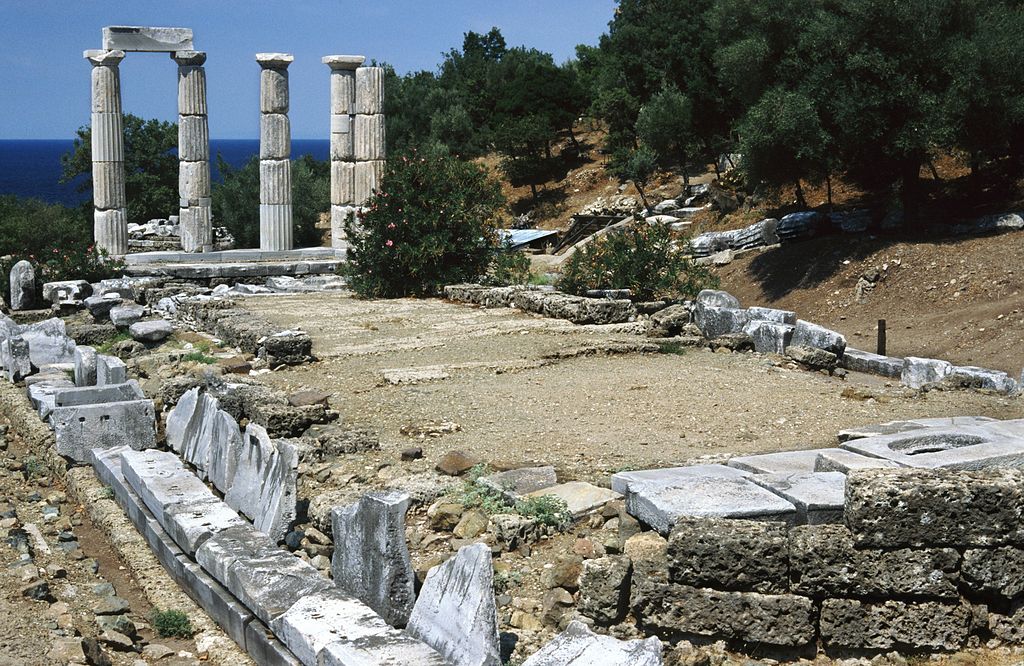
Samothraki (or Samothrace) breaks nearly every stereotype about Greek island landscapes. Instead of whitewashed villages scattered across dry hillsides, the island rises dramatically toward Mount Saos, whose summit sits at 1,611 meters (5,285 ft). The mountain landscape includes springs, plane trees, forests, and hiking routes leading toward one of the highest points of the Aegean islands.
Then there are the vathres—natural pools formed by mountain streams and scattered across the island. More than a hundred are found on Samothraki, according to Visit Greece, with the pools of Fonias among the most well-known. A hike of about forty-five minutes can lead through shaded trees, streams, and rocky passages toward them. This is an island for travelers who want hiking to be the main event rather than an activity squeezed between beach visits.
It’s best to go after the hot summer season of Greece because Samothraki’s mountain terrain offers a dramatically different island experience, and the shoulder season can be particularly appealing for travelers who want to explore on foot rather than spend their entire trip at the coast. As always, hikers should check weather and trail conditions locally, particularly in mountainous areas.
The best Greek islands for hiking may not be those with the best beaches
The appeal of hiking the Greek islands after the height of summer is not simply that it may be more comfortable. Of course, walking changes what visitors notice. From a car, an island can become a series of destinations connected by roads: a beach, a village, a hotel, a restaurant. On foot, however, the spaces in between become part of the journey. A dry-stone wall, a ruined mill, an old bridge, a chapel on a ridge, or the remains of an ancient settlement suddenly have context—and that may be the real reason to visit these islands after summer.
The beaches are still there, but when the days are no longer defined entirely by escaping the heat, Greece begins to reveal another attractive aspect of life in the country: the paths that have been connecting landscapes and communities for centuries.
See all the latest news from Greece and the world at Greekreporter.com. Contact our newsroom to report an update or send your story, photos and videos. Follow GR on Google News and subscribe here to our daily email!

