



Researchers studying Europe’s megaliths are increasingly finding evidence that these massive stone monuments were raised by egalitarian communities rather than by societies ruled over by a powerful elite.
The conclusion comes from several strands of recent archaeological work that used improved dating methods and genetic analysis to revisit long-standing questions about who built these ancient sites and why.
Archaeologist Johannes Müller examined the size of megaliths, nutrition patterns and evidence of inbreeding at major sites such as Newgrange in Ireland.
Comparing his findings with data from present-day traditional societies, Müller concluded that the large stone structures were unlikely to be the product of a hierarchical society led by a small ruling class. Instead, he said, the evidence points to cooperative effort among communities with little social hierarchy.
New genetic and dating data reassess Stonehenge and Baltic sites
Researcher Johanna Brinkmann reached a similar conclusion after comparing archaeological records from the British Isles and the western Baltic region spanning 4500 to 1800 B.C.
Her work found no sign of a highly organized or institutionalized society behind the large collective graves built by the Funnel Beaker culture. She said the graves were more likely raised through shared community labor rather than directed by an elite.
Genetic testing also showed the two regions were settled by different groups of early farmers, with people in the British Isles tied to the western Mediterranean and those in the western Baltic connected to Anatolia and the Levant.
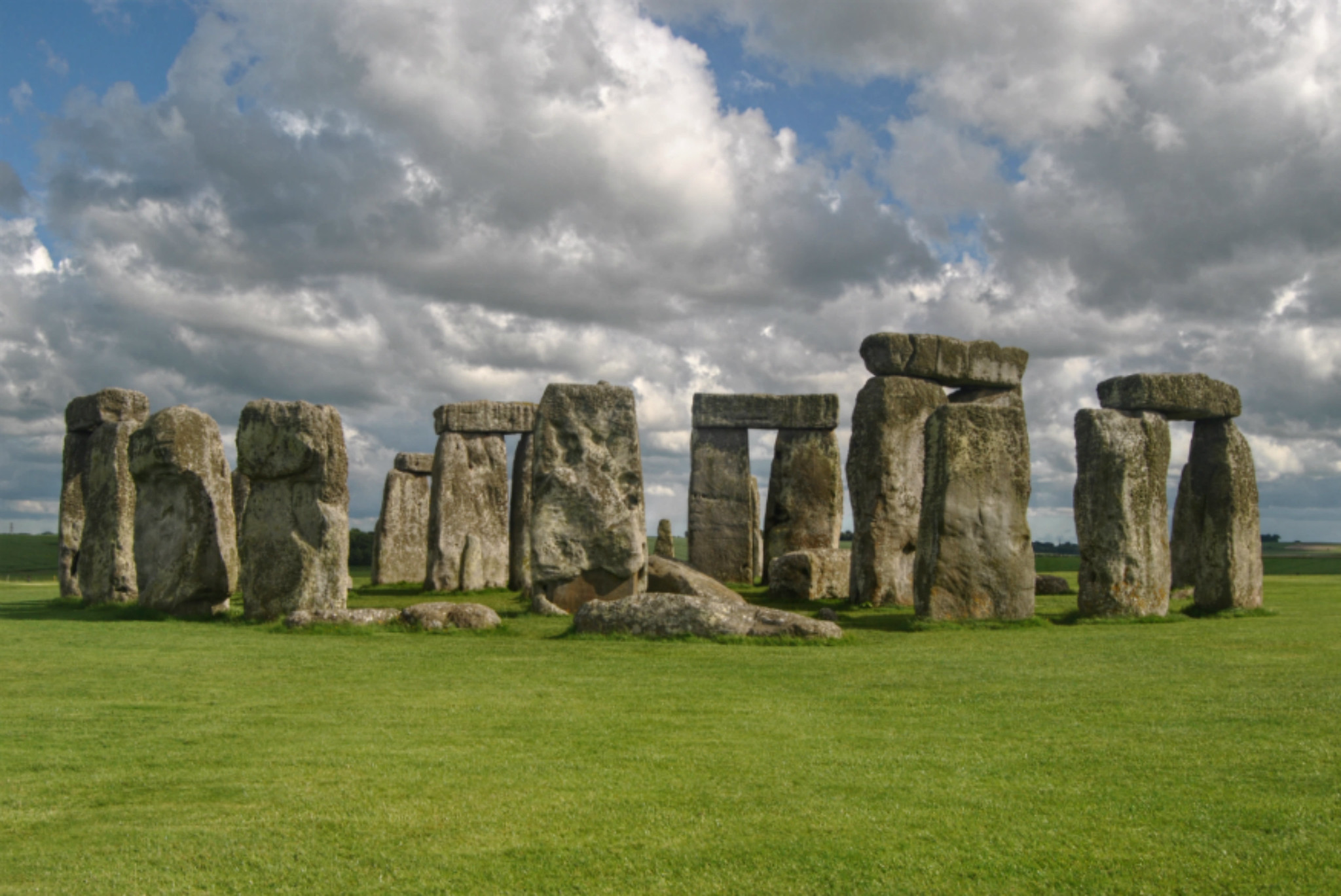
Geoarchaeologist Matthew Canti, who works at Historic England, led a team of specialists examining daily life around Stonehenge before and during its construction, covering topics such as diet, clothing and burial customs.
Much of the underlying research, however, appears to be more than a decade old, which limits its usefulness for readers seeking the most current findings on the site.
The case for egalitarian communities behind Europe’s megaliths
Writer and longtime megalith enthusiast Fiona Robertson took a different approach, recounting personal visits to Britain’s ancient stone circles and tombs alongside her own experience of grieving her husband’s death.

Robertson described the monuments as symbols of survival that outlast any single lifetime, offering comfort and meaning to modern visitors regardless of what science ultimately concludes about their original purpose.
Taken together, the research reflects how tools such as ancient DNA and improved radiocarbon dating continue to reshape debates over Europe’s megaliths and whether they were truly built by egalitarian communities working without centralized rulers. Researchers say the deeper question of why these monuments were built remains far from settled.
The findings are drawn from four books reviewed together in a New Book Chronicle feature published in the archaeology journal Antiquity.
See all the latest news from Greece and the world at Greekreporter.com. Contact our newsroom to report an update or send your story, photos and videos. Follow GR on Google News and subscribe here to our daily email!

