



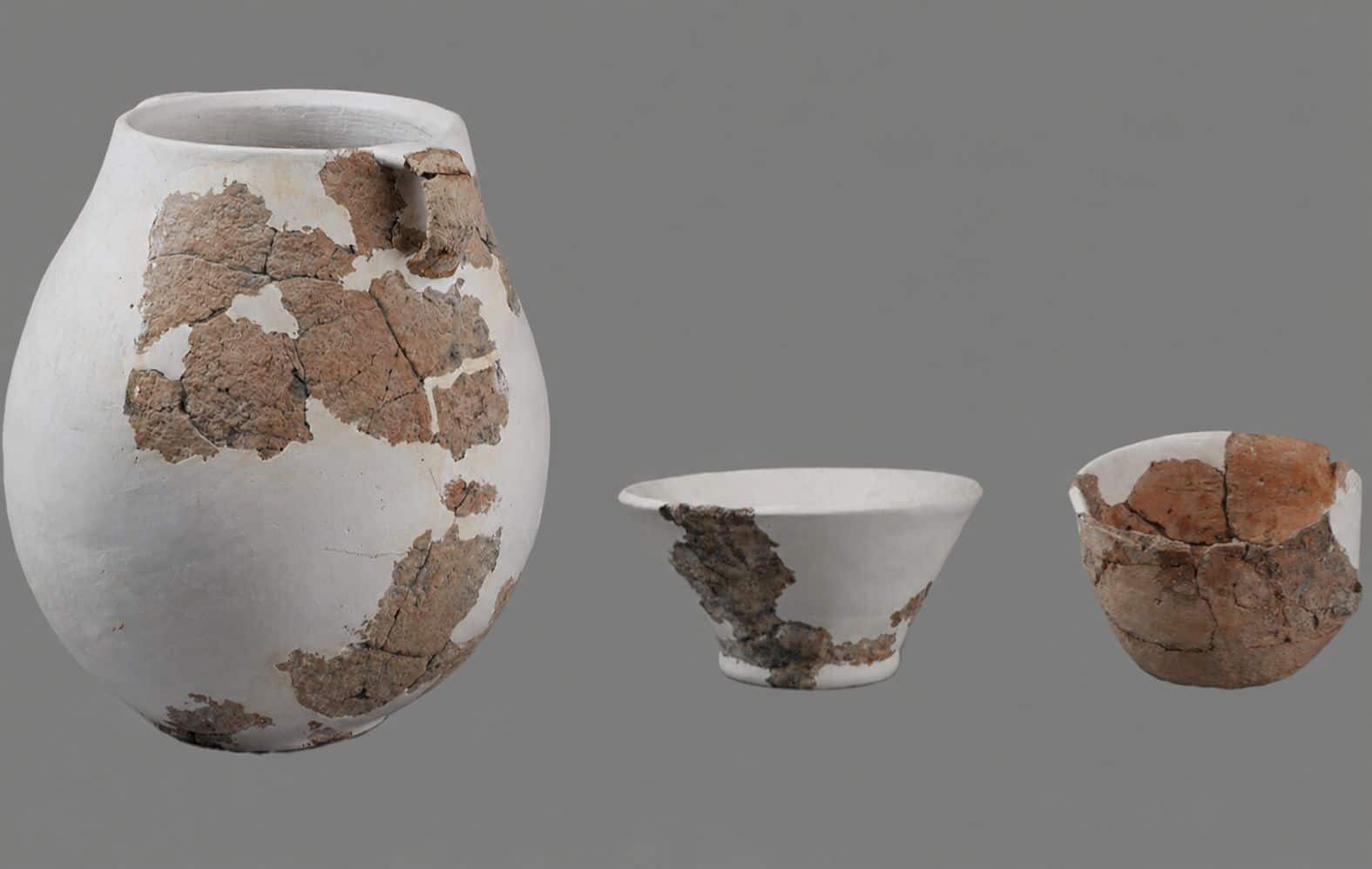
New research shows that communities along China’s southeastern coast were brewing alcohol nearly 7,000 years ago, making it the earliest known evidence of fermented drinks in southern China.
The study, led by archaeologist Li Liu of the Stanford Archaeology Center at Stanford University, examined ancient pottery recovered from the Xiying site, a shell midden settlement on Pingtan Island in Fujian province. The findings were published in the journal Archaeological Research in Asia.
Xiying is the oldest known Neolithic settlement on Pingtan Island. To learn what people ate and drank there, researchers studied tiny plant and fungal traces left inside old cooking and storage vessels. The pottery held residues from rice, millet, wheat family grains, foxnut, taro, yam, and ginger.
Evidence of ancient rice fermentation found in pottery
Most of the starch grains recovered showed clear signs of damage caused by enzymes, a pattern that points to fermentation rather than simple cooking. Researchers also found remains of mold, mostly a type called Monascus, along with traces of yeast.
Together, these clues suggest the pottery once held drinks made through “qu” fermentation, an old Chinese brewing method that uses mold to break down starch into sugar and then into alcohol.
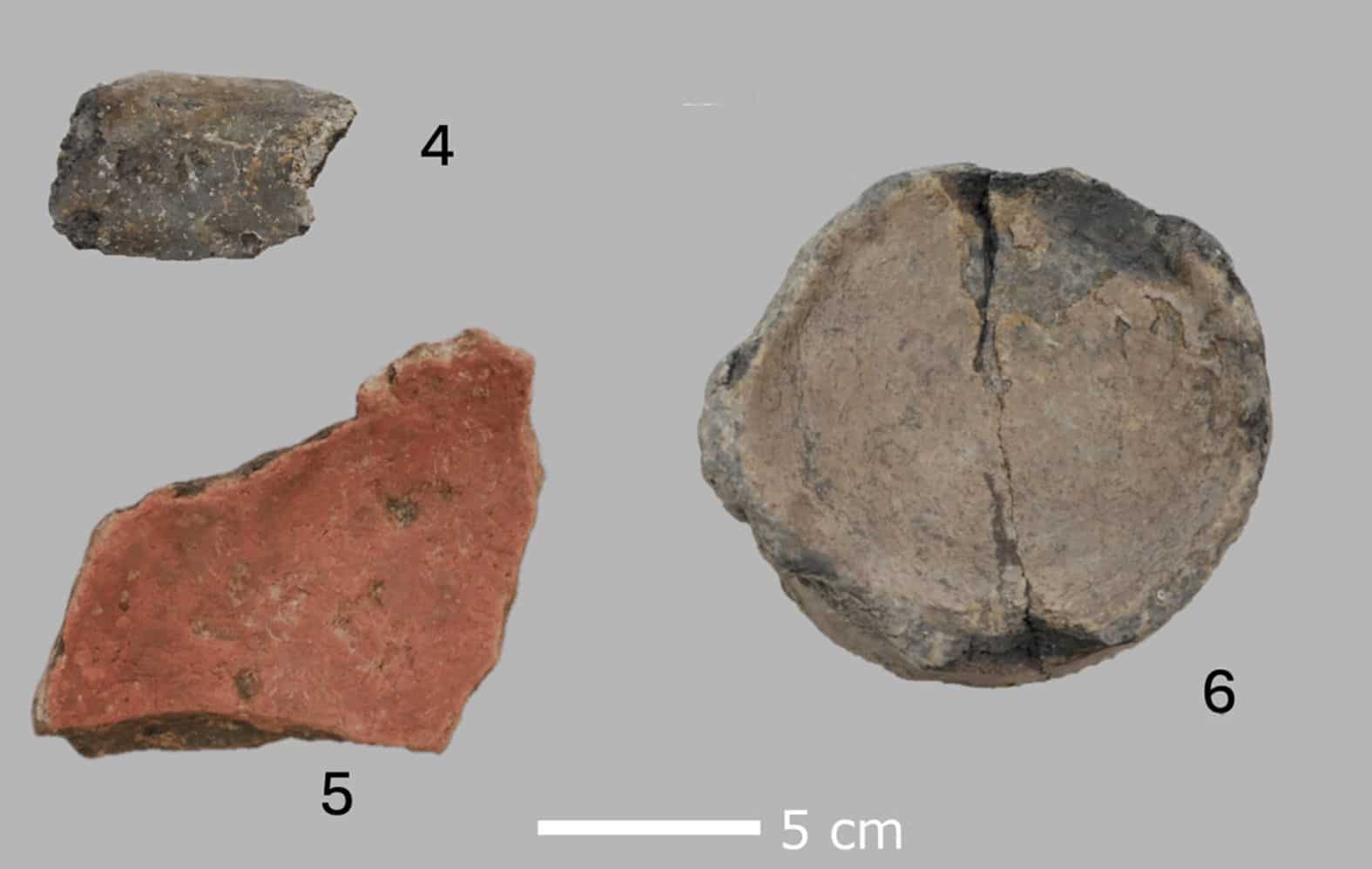
The beverage made at Xiying was likely based mainly on rice, with smaller amounts of millet, seeds, and root vegetables mixed in, the study found.
The discovery moves back the known timeline for alcohol making in South China and suggests the practice was woven into the daily diet of coastal residents, who also depended heavily on shellfish and other seafood.
How China’s communities spread the art of brewing alcohol
The qu method is thought to have first appeared farther north, among people of the Shangshan culture in the Lower Yangzi region between 10,000 and 8,000 years ago.
From there, it spread into the Yellow River and Huai River regions, where brewers later experimented with malt and mixtures of honey and fruit. The Pingtan findings suggest this rice-based method also traveled south, carried along coastal routes that linked communities up and down the shoreline.
Monascus mold gives fermented rice its reddish tint, producing a drink still made today known as red rice beer, or “hongqujiu.” Similar beverages remain common in parts of Zhejiang and Fujian provinces, showing the tradition uncovered at Xiying has continued, in some form, into the present.
Researchers said the discovery helps close a gap in understanding how fermentation spread across ancient China, since earlier studies focused mainly on the Yellow River and Lower Yangzi regions, leaving the southern coast largely unstudied.
The findings add to a growing picture of how communities across China’s ancient landscape were brewing alcohol long before writing existed.
See all the latest news from Greece and the world at Greekreporter.com. Contact our newsroom to report an update or send your story, photos and videos. Follow GR on Google News and subscribe here to our daily email!

