



For generations, the Tuscan port city of Livorno was one of the Mediterranean’s most important centers of the Greek diaspora. Its merchants helped finance schools, churches, charitable institutions, and, ultimately, the struggle for Greek independence.
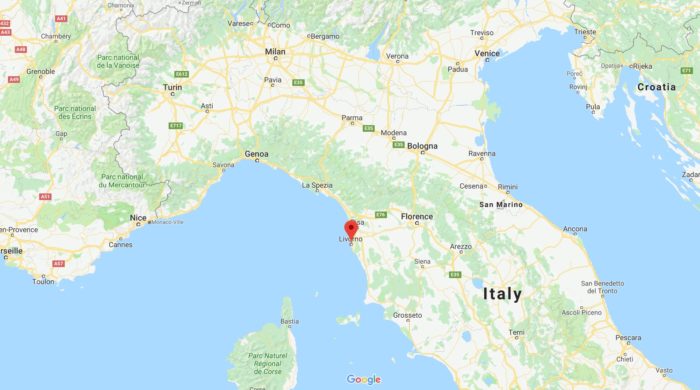
Today, traces of that extraordinary community still survive in the city’s streets, churches, and palaces but perhaps nowhere more poignantly than in the Greek Orthodox Cemetery of Livorno, a remarkable monument that has recently been rescued from decades of neglect. Following a major international restoration effort, the historic cemetery has been stabilized, conserved, and reopened, preserving one of Europe’s most vital monuments to the Greek diaspora.
A monument to Greece’s merchant community
Located on Via Marco Mastacchi, the cemetery was established in 1840, replacing an earlier 18th-century burial ground that had to be relocated as Livorno expanded.
Designed by Italian architect Olinto Paradossi, the rectangular complex contains 242 funerary monuments that document the lives of the prosperous Greek merchants, shipowners, intellectuals, and clergy who transformed Livorno into a thriving commercial hub between the 17th and 19th centuries.
Among those buried there are Archbishop Ignatios of Wallachia, writer Angelica Palli, and members of prominent Greek families including the Rodokanakis, Mavrokordatos, and Bodosakis dynasties, whose influence extended far beyond Italy.
At the heart of the cemetery stands the Church of the Dormition of the Virgin (Panagitsa), distinguished by its monastic-style floor tombs inspired by the traditions of Mount Athos.
A heritage site on the brink of being lost
Time, weather, and decades of abandonment nearly claimed the historic complex. Overgrown vegetation, failing masonry, and water infiltration caused extensive damage throughout the cemetery. By 2018, the roof of the Church of the Dormition had reached a critical condition, prompting fears that one of the Greek diaspora’s most significant heritage sites could be permanently lost.
An ambitious rescue effort soon followed. The restoration was led by the Hellenic Institute of Byzantine and Post-Byzantine Studies in Venice, the cemetery’s legal owner, in collaboration with the Greek Ministry of Foreign Affairs, the Municipality of Livorno, specialists from Aristotle University of Thessaloniki, and Italian conservation experts. Emergency scaffolding and temporary roofing were installed to stabilize the church before permanent restoration work began.
Bringing the cemetery back to life
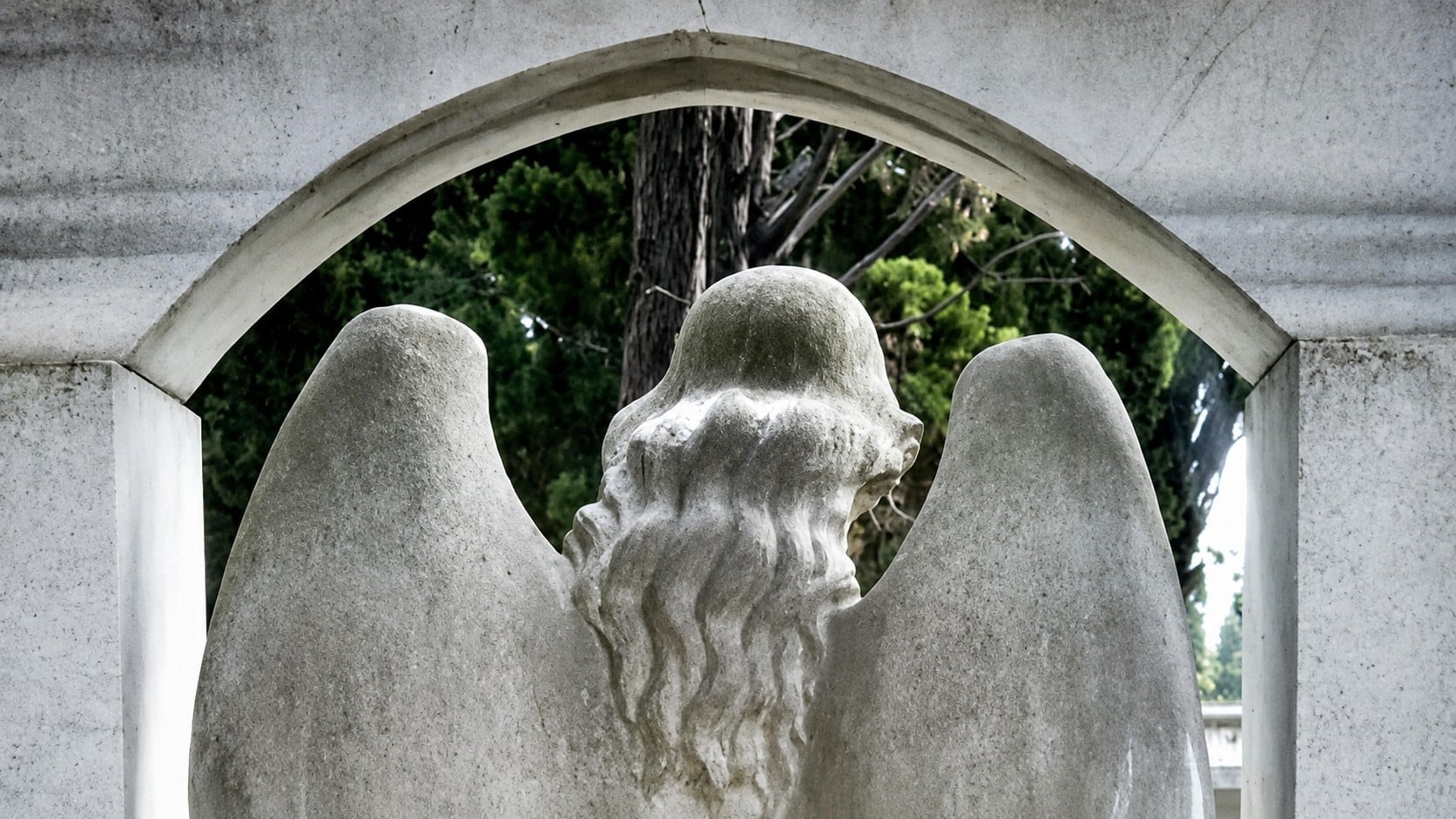
Between 2020 and 2022, architect Michele Ghimenti oversaw a comprehensive conservation program that restored both the church and the surrounding cemetery.
The work reinforced structural masonry, repaired cracks, restored the church’s interior, conserved marble funerary monuments, removed invasive vegetation, pruned historic trees, and created safe pathways throughout the 3,800-square-meter site. The project aimed not simply to preserve historic buildings but to safeguard the collective memory of one of Europe’s most influential Greek communities.
In October 2022, the restored Church of the Dormition was rededicated during a divine liturgy celebrated by Metropolitan Polykarpos of Italy and attended by the Mayor of Livorno, Greek diplomatic representatives, and members of the local community. Today, the cemetery is recognized by Italian authorities as a protected cultural monument and is once again open to visitors.
Part of Livorno’s enduring Greek legacy
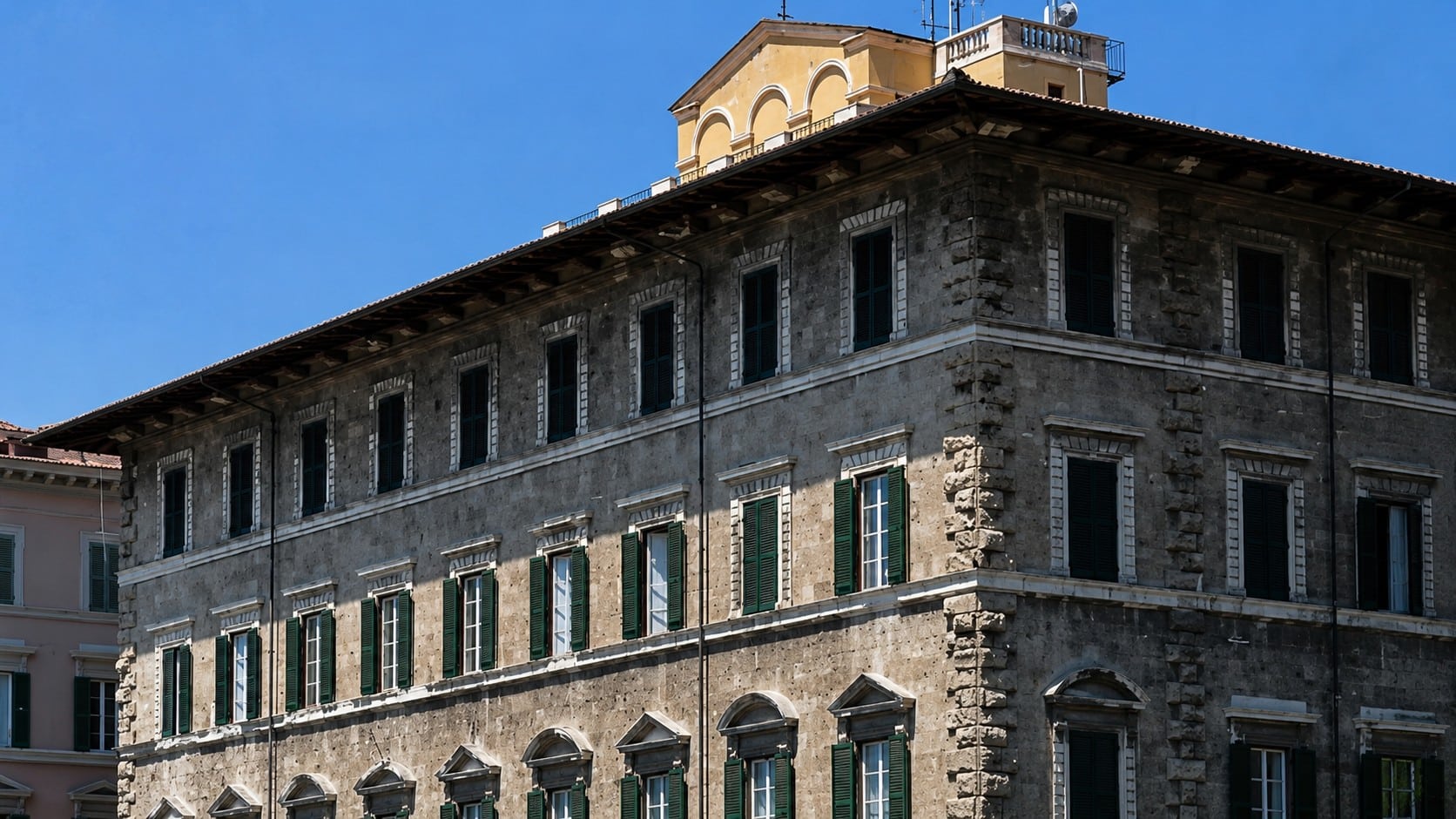
The cemetery forms part of a remarkable network of Greek landmarks that still define Livorno’s multicultural history. Among them is the Palazzo Maurogordato, one of the city’s grandest historic residences, built by the influential Maurogordato family, whose commercial success reflected the prominence of the Greek community in the port city.
As Greek Reporter previously reported, the palace remains one of the most visible reminders of the wealth and influence Greek merchants brought to Livorno during its golden age. Interest in this shared heritage continues today.
Earlier in July, Michele Maurogordato, a descendant of the historic family, visited Livorno from the United States to retrace his ancestors’ footsteps, touring the Greek Orthodox Cemetery, Palazzo Maurogordato, and other sites connected with the city’s Greek past.
The restored cemetery has also regained its role as a living place of worship. Earlier this year, it hosted Livorno’s annual Greek Orthodox Epiphany celebration, bringing together clergy, civic leaders, and members of the local Greek community in a tradition that links the city’s past with its present.
More than a burial ground, the Greek Orthodox Cemetery of Livorno stands as a testament to the generations of Greeks who helped shape one of the Mediterranean’s great port cities.
See all the latest news from Greece and the world at Greekreporter.com. Contact our newsroom to report an update or send your story, photos and videos. Follow GR on Google News and subscribe here to our daily email!

